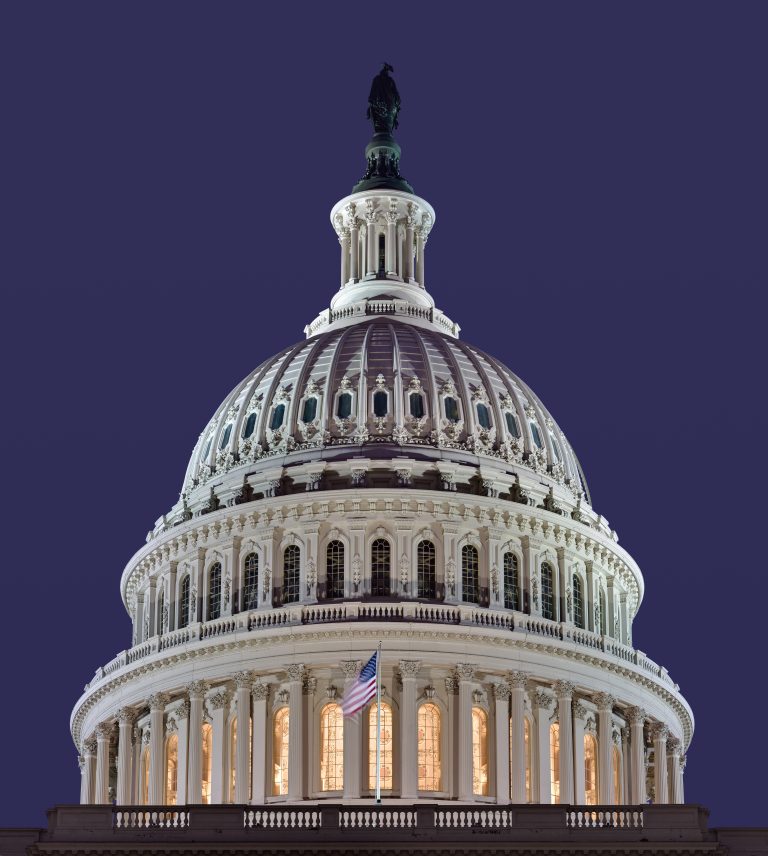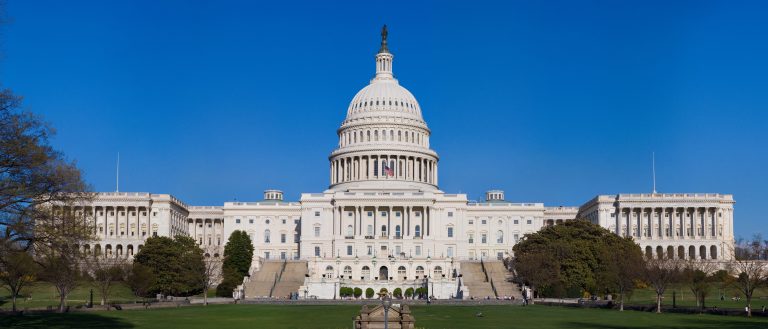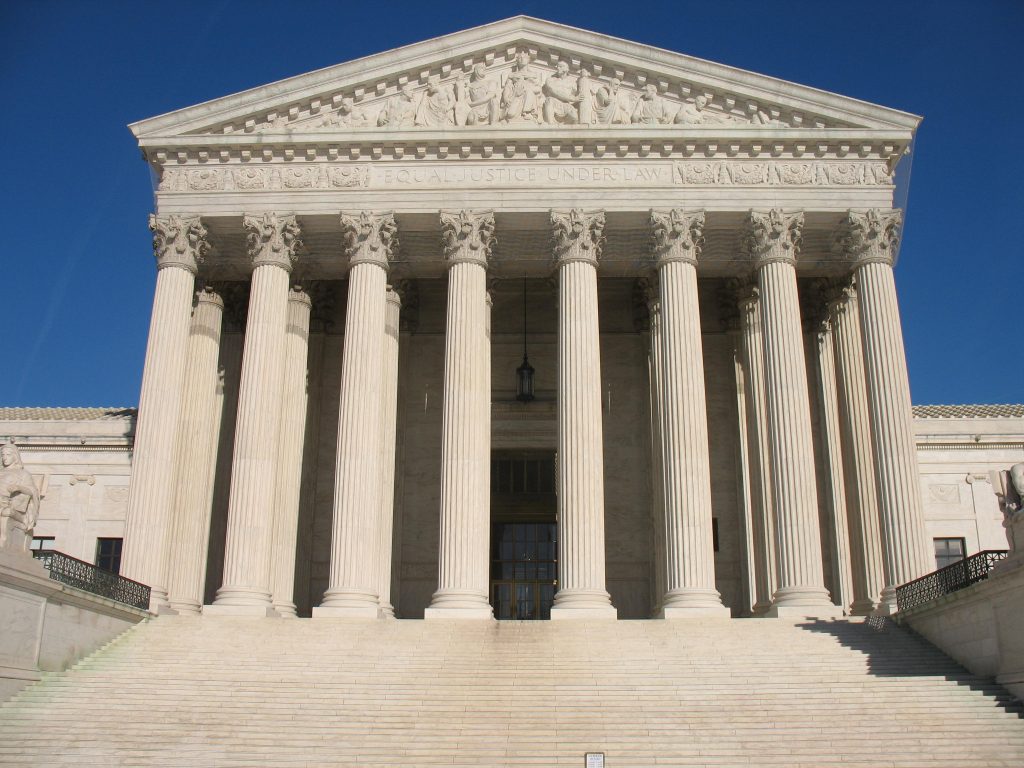
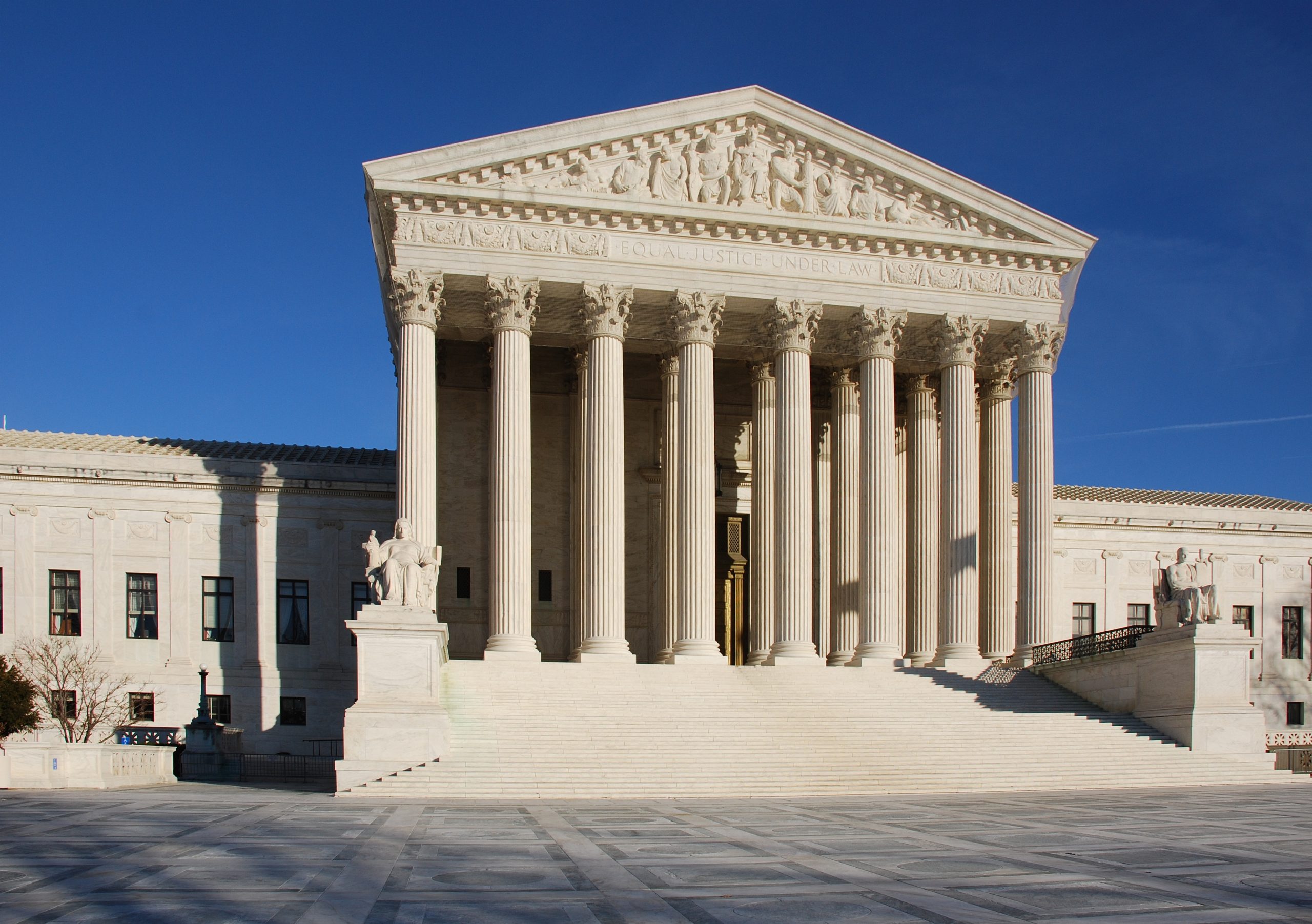
The US Supreme Court on Tuesday declined to restore the power of immigration judges to temporarily pause deportation cases, leaving in place an agreement between President Donald Trump’s administration and Republican-led Texas that ended the practice known as administrative closure.
The justices denied an emergency request from three US cities and an immigrant legal advocacy group to halt the agreement while the underlying lawsuit continues. The decision came in a brief, one-sentence order with no explanation, as is common for emergency requests, and no justice publicly dissented.
What the Court decided — and what it did not
The order is not a final ruling on whether administrative closure is lawful. It leaves the Trump-Texas agreement in force for now, while the challenge to that agreement works its way through the courts. The cities and the legal group had asked the Court only for interim relief: to pause the agreement until the case is decided.
Administrative closure allowed immigration judges to take a deportation case off their active docket, often when a separate proceeding involving the same person was still pending — for example, a visa petition or an appeal against a criminal conviction — that could affect whether the person can be removed. Judges used the tool for decades, and Reuters reports it was applied in hundreds of thousands of cases over the years.
How the agreement came about
Texas sued to challenge a 2024 rule adopted under President Joe Biden that formally codified administrative closure procedures. The Biden administration had said the practice let judges manage heavy caseloads efficiently and treat immigrants fairly. That rule had replaced a 2020 rule from Trump’s first term that had been blocked by a court.
After Trump returned to office in 2025, the Justice Department office that oversees the immigration courts, the Executive Office for Immigration Review, said it would not defend the Biden rule against the legal challenge. On June 22, the administration and Texas filed a joint agreement in federal court in Texas, the same day Texas sued, asking a judge to declare the Biden rule unlawful. US District Judge Reed O’Connor in Wichita Falls approved the agreement the same day, blocking the rule permanently and nationwide.
Three municipalities — Baltimore, New Haven in Connecticut, and Columbus in Ohio — together with the legal services provider Centro Legal de la Raza, tried to intervene in the case to defend the rule, but Judge O’Connor rejected their bid. The New Orleans-based 5th US Circuit Court of Appeals then declined to put the agreement on hold while they appealed. The cities say they all have substantial immigrant populations.
Why the cities objected
The cities and Centro Legal de la Raza told the Supreme Court that the administration had circumvented the federal law governing agency procedures by using what they called “manufactured litigation” with an “ideologically aligned” Texas to eliminate a regulation it disliked. “The need for interim relief is underscored by the collusion that infected this suit from its inception,” they wrote.
Texas and the Trump administration have argued the opposite: that administrative closure let people without legal status remain in the United States indefinitely, acting in effect like an amnesty. In its lawsuit, Texas argued the rule let immigration judges “effectively grant indefinite amnesty to aliens illegally present in this country.”
After the decision, the cities and their lawyers from the legal group Democracy Forward said they were disappointed. “Eliminating these protections puts vulnerable people at greater risk of deportation and undermines public safety in communities across the country,” they said in a statement. They added: “This dangerous abuse of the judicial process threatens the rule of law and sets a troubling precedent for dismantling federal policies without meaningful public participation or judicial scrutiny.”
What happens next
The underlying litigation continues, so the agreement remains in place unless a court orders otherwise. For people whose cases had been paused while another application or appeal was pending, the practical effect is that their removal proceedings can now move forward rather than sitting on hold. How many people are affected, and how immigration courts handle the resulting caseload, are not stated in the Court’s order and remain uncertain.
Representatives from the Justice Department and the Texas attorney general’s office did not immediately respond to requests for comment, Reuters reported.
Sources
- Reuters — “US Supreme Court denies immigration judges the power to shelve deportation cases” (27 Oct 2026): https://www.reuters.com/world/us-supreme-court-denies-immigration-judges-power-shelve-deportation-cases-2026-10-27/
- The Financial Express — “What Trump’s Supreme Court win means for immigrants facing deportation in the US” (28 Oct 2026): https://www.financialexpress.com/immigration/what-trumps-supreme-court-win-means-for-immigrants-facing-deportation-in-the-us/4371002/
Frequently asked questions
What is administrative closure? It is a practice in which an immigration judge removes a deportation case from the active docket, often while another proceeding that could affect removal is pending, such as a visa petition or a criminal appeal.
Did the Supreme Court ban administrative closure permanently? No. The Court denied an emergency request to pause the Trump-Texas agreement while the case continues. It did not issue a final ruling on the merits.
Who challenged the agreement? Baltimore, New Haven and Columbus, together with Centro Legal de la Raza, represented by lawyers from Democracy Forward.