The United States has effectively barred imports from three Chinese genomics companies over alleged links to forced labour in Xinjiang, in one of the most striking uses yet of its forced-labour import law against a major life-sciences group.
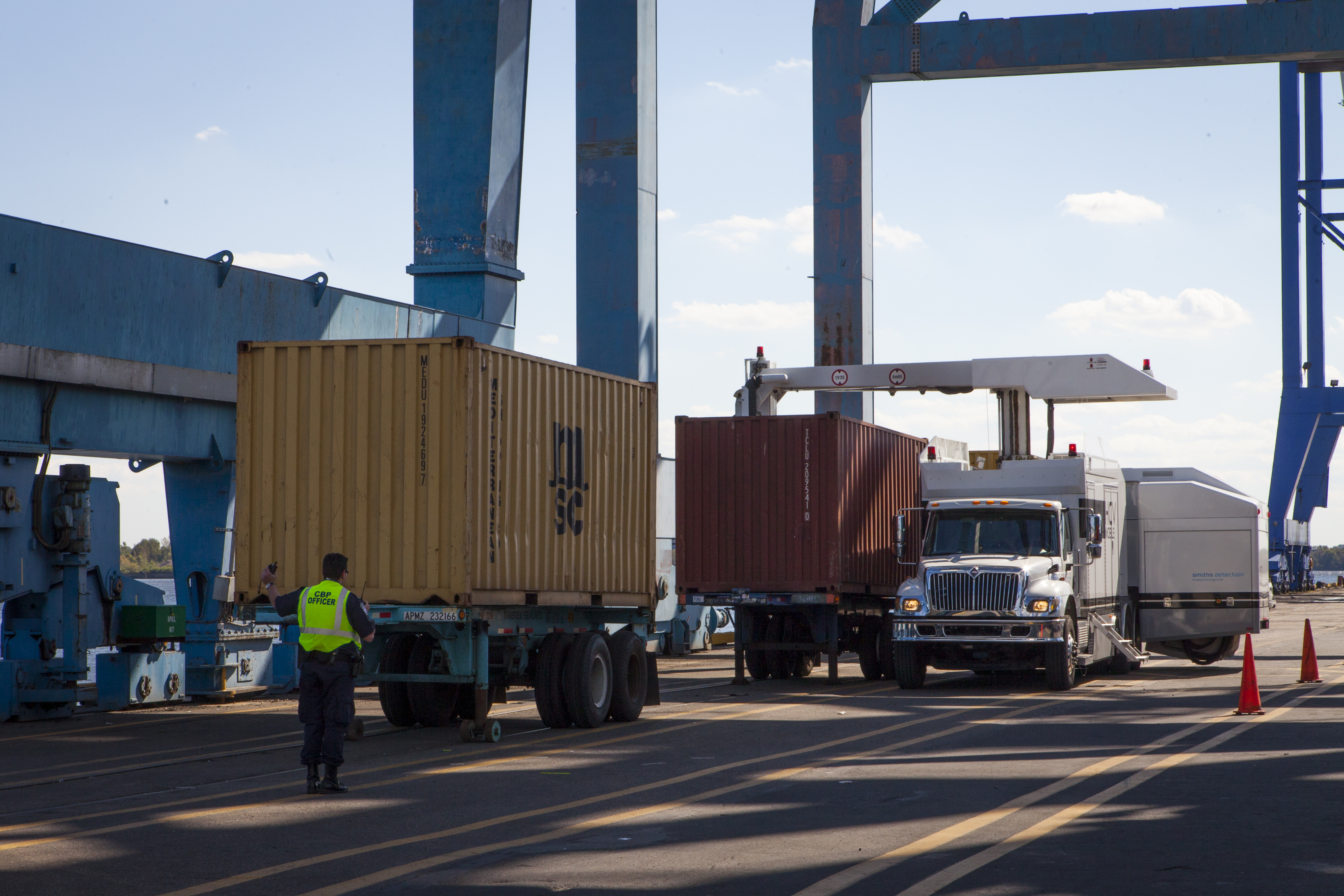
The Department of Homeland Security (DHS) said on Wednesday that it had added BGI Genomics, MGI Tech and Shenzhen BGI Technology — also known as BGI Group — to the Uyghur Forced Labor Prevention Act (UFLPA) Entity List. From October 29, 2026, US Customs and Border Protection will apply a rebuttable presumption that goods produced by the three entities are prohibited from entering the United States.
That wording matters. The listing does not impose an absolute ban with no exceptions: an importer can in principle overcome the presumption by proving its goods are not linked to forced labour. In practice, the burden is demanding, and press coverage has described the move as an effective ban — the framing this article adopts, with that qualification stated plainly.
Why DHS acted
DHS said the US government has reasonable cause to believe, based on specific and articulable information, that BGI Genomics conducts genetic testing in the Xinjiang Uyghur Autonomous Region alongside the regional government and as part of its government initiatives. According to DHS, that testing is used to facilitate the recruitment, transport, transfer, harbouring or receiving of forced labour, and the collection and analysis of genetic material facilitates the monitoring, surveillance and repression of ethnic minorities by the Chinese government, including forced labour. Homeland Security Secretary Markwayne Mullin said: “This is about enforcing our laws, protecting American businesses from unfair competition, and making clear that companies connected to forced labour will not get a free pass in this country.” DHS Under Secretary Rob Law, who chairs the Forced Labor Enforcement Task Force, said goods produced by the companies “will not be allowed entry unless they can prove that they do not take part in the forced labor apparatus in Xinjiang.” With the additions, the UFLPA Entity List now includes 190 entities, DHS said.
What the three companies are
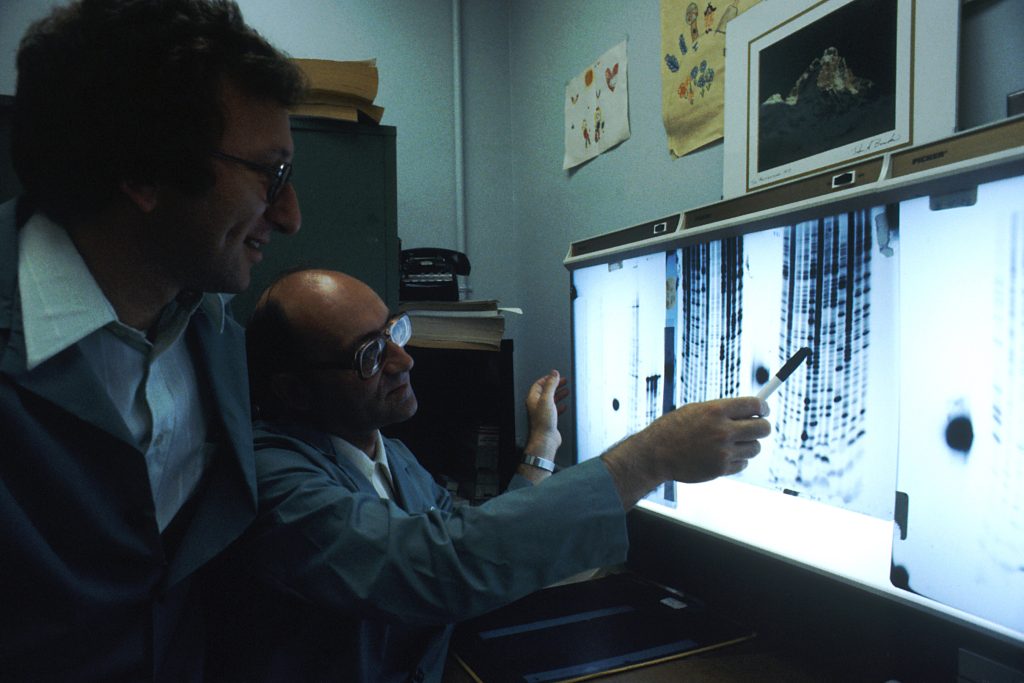
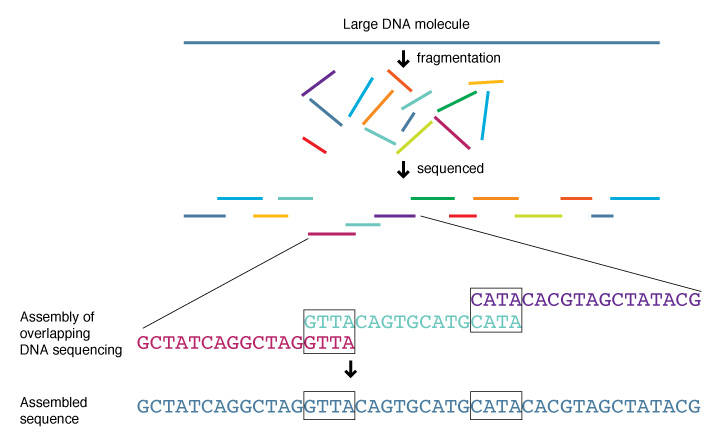
Together, the three entities form one of the largest gene-sequencing and genetic-material collection enterprises in the world, according to DHS. Shenzhen BGI Technology, known as BGI Group, controls the publicly traded genomics-testing unit BGI Genomics, while MGI Tech sits under the same ultimate controlling shareholder. BGI provides DNA and RNA sequencing, bioinformatics and precision-medicine services; MGI develops and sells life-science instruments, reagents and related biotechnology products. The companies were already on other US blacklists restricting their access to American technology and their ability to contract with the US government. Barring their imports is a further, more aggressive step, and it lands as Washington and Beijing compete for dominance in life sciences.
What is allegation, and what is not yet established
The forced-labour link is a US government finding under the UFLPA standard of reasonable cause, based on information DHS describes as credible, including corporate and government reporting. It is not a court judgment against the companies in this case, and the checked sources contain no response from BGI Group, BGI Genomics or MGI Tech to this listing — a gap this article records rather than fills.
What happens next
Importers of BGI and MGI products now face the rebuttable-presumption test at the US border, and the listing is likely to be watched by laboratories, hospitals and research institutions that use the companies’ sequencing services and instruments. Any company response, legal challenge or clarification of which products are affected would be a significant further development.
FAQ
Which companies are affected? BGI Genomics, MGI Tech and Shenzhen BGI Technology (BGI Group).
When does the import bar take effect? October 29, 2026.
Is it an absolute ban? No — it is a rebuttable presumption, presumed prohibited unless an importer proves otherwise.
Sources
- US Department of Homeland Security (primary): DHS
- Bloomberg via The Edge Malaysia: The Edge Malaysia
- National Herald: National Herald