Ukraine’s military has paused its strikes against Russian oil refineries after weeks of pressure from President Donald Trump, the Wall Street Journal reported on Thursday, citing people with knowledge of the operations.
The pause is unofficial and has not been announced by Ukraine’s government. According to the Journal, it is expected to last until after the US midterm elections on Tuesday, and potentially deeper into November.
Ukrainian units involved in long-range strikes were told in mid-October that the campaign against refineries was effectively on hold, once missions already in motion were completed, two military officials familiar with the matter told the Journal.
What Zelenskyy has — and has not — said
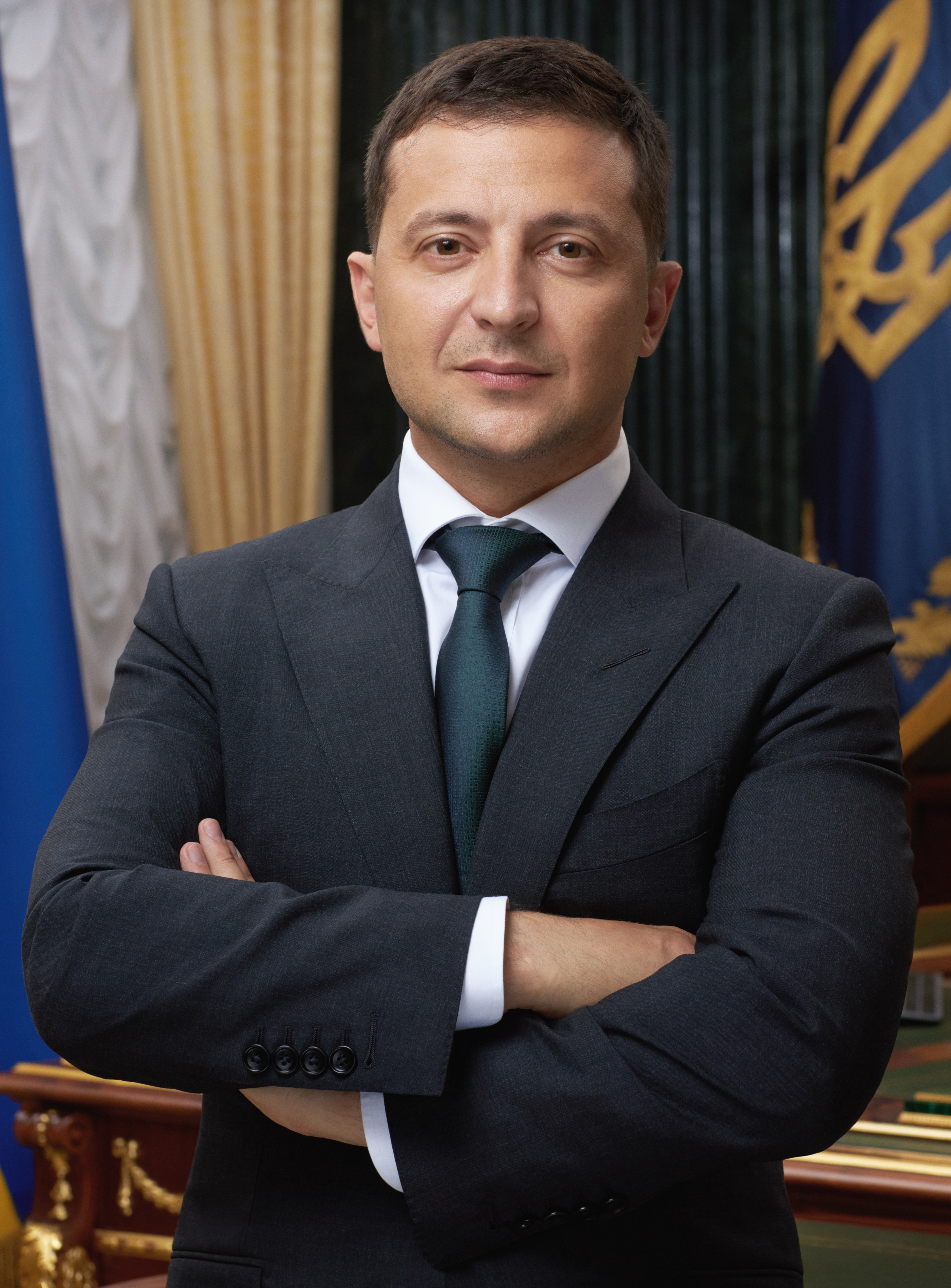
President Volodymyr Zelenskyy has not confirmed a formal halt. Speaking to reporters in Kyiv on Tuesday, he said: “Our guys tried to be a little more careful during these days. But they do not have an order” not to hit refineries.
That distinction matters. The Journal’s account describes an operational pause communicated to strike units, not a public policy announcement — and Zelenskyy has framed Ukraine’s position as conditional. He has said Ukraine wants more protection for its own energy infrastructure, which Russia has been systematically destroying with missile and drone attacks ahead of winter, in exchange for holding off on refinery strikes.
Reuters, which carried the Journal’s report, said it could not immediately verify it. Readers should therefore treat the pause as reported by the Journal, based on unnamed officials, rather than as a confirmed statement from Kyiv.
Why Washington pushed for a pause
The Journal reports that the pause began early last week, at the height of a crisis in US-Ukrainian relations. Days earlier, Trump had called for Zelenskyy’s removal, and Elon Musk’s SpaceX had limited Ukraine’s use of the Starlink satellite internet service, on which Ukraine’s military heavily relies, alongside US intelligence-sharing and Patriot missile interceptors.
Trump has piled pressure on Zelenskyy in recent weeks to stop hitting Russian refineries, blaming Ukraine for high global fuel prices. Energy experts mostly attribute those prices to the US-Iran war, the Journal notes, but Republican candidates fear fuel prices could hurt them in Tuesday’s midterms, and Trump has relaxed sanctions on Russian diesel in a bid to ease pressure on US farmers and other consumers.
US envoy Jared Kushner repeated Trump’s demand at a meeting with Zelenskyy on October 20 in Oslo, two US officials told the Journal. Kushner, who joined remotely because of an illness, told Zelenskyy he should pause the strikes because he and US envoy Steve Witkoff were dedicating significant time and effort to mediating with Moscow, one official said — adding that a 30-day pause on refineries would be a way for Ukraine to show gratitude. The day after the Oslo meeting, Trump called Musk and asked him to restore Ukraine’s satellite service, the Journal reported.
Ukraine’s Defence Minister, Evgeniy Khmara, told Zelenskyy the military had sensed it was best to hold off on refinery strikes because of the delicate diplomatic situation, a person familiar with the matter said. Kyiv’s European allies have also advised Zelenskyy to heed the political sensitivity of energy prices as the midterms approach, senior European officials told the Journal.
What this changes — and what it does not
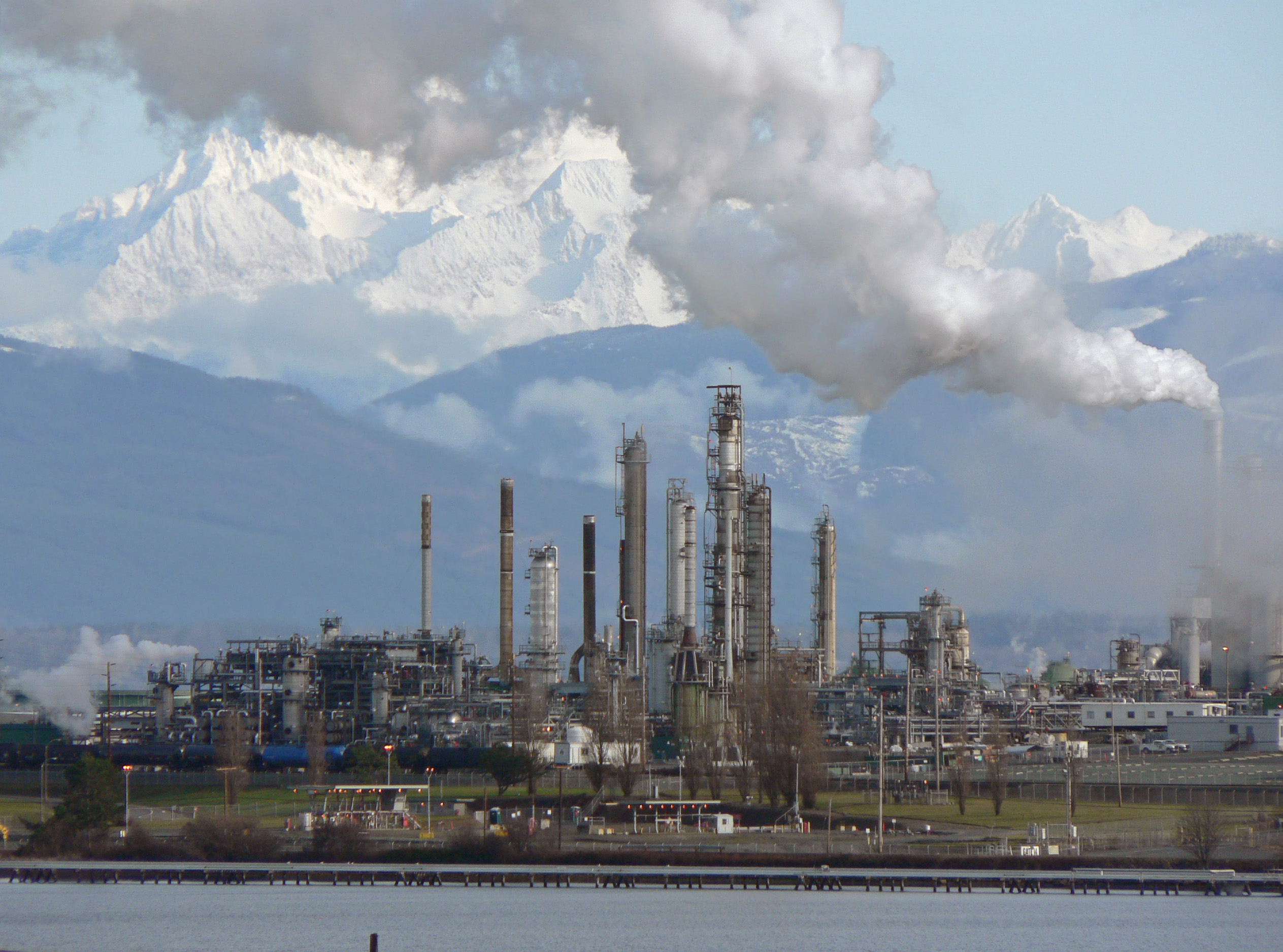
Refinery strikes have been one of Ukraine’s most effective tools for imposing costs on Russia’s war economy, hitting fuel production and export revenues. A pause, even a temporary one, therefore carries real military significance — but it is not a ceasefire, and it does not cover other long-range strikes or front-line fighting.
It also comes as renewed efforts are under way to revive US-backed peace talks. Whether the pause holds past the midterms, and whether Kyiv secures the energy-protection guarantees Zelenskyy has sought in return, will be the first test of whether this is a tactical breather or the start of a broader de-escalation.
For context, Ukraine had previously resumed refinery strikes after an earlier energy truce ended — a reminder that pauses in this campaign have been reversed before when conditions changed. See the earlier coverage: Ukraine Energy Truce Over: Zelensky Resumes Refinery Strikes.
What to watch next
Watch for any public statement from Kyiv confirming or denying the pause, for the resumption — or continued absence — of refinery strikes in the days after Tuesday’s midterms, and for any movement in the US-backed peace talks that the pause is reportedly meant to support.
Frequently asked questions
Has Ukraine officially announced a pause on refinery strikes? No. The pause was reported by the Wall Street Journal, citing people familiar with the operations. Ukraine’s government has not announced one, and Zelenskyy has said strike units have no formal order not to hit refineries.
How long is the pause expected to last? The Journal reports it is expected to last until after the US midterm elections, and potentially deeper into November.
Why does Washington want the strikes to stop? Trump has blamed the strikes for high fuel prices ahead of the midterms. Energy experts mostly attribute fuel prices to the US-Iran war, according to the Journal.
Sources
Wall Street Journal, “Ukraine Pauses Strikes on Russian Refineries After Pressure From U.S.” (October 30, 2026); Reuters, “Ukraine pauses strikes on Russian refineries after pressure from Trump, WSJ reports” (October 30, 2026).