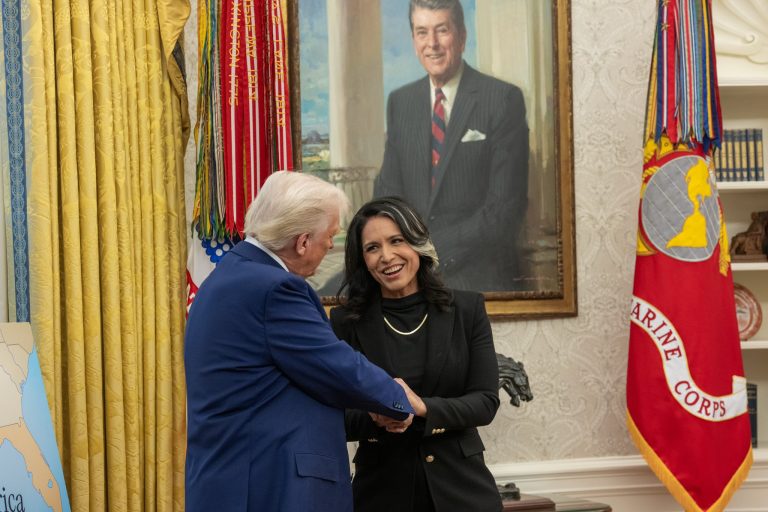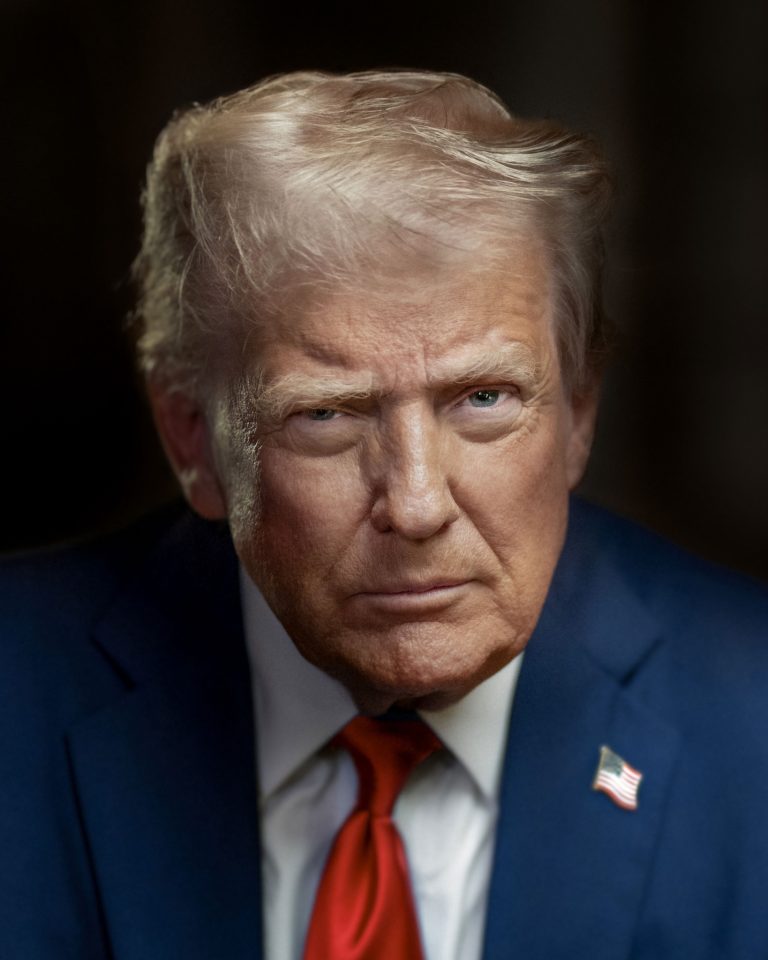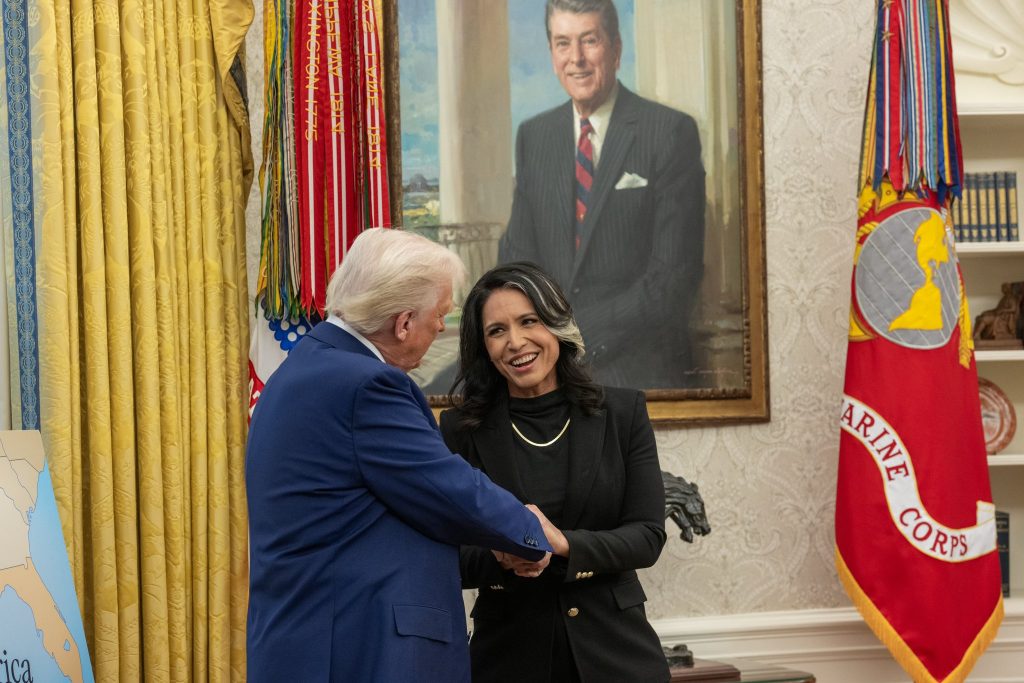
President Donald Trump has signed a proclamation designating the Oval Office and the Cabinet Room a national monument, in his first official action since Democrats took control of both the House and the Senate in the midterm elections.
Trump signed the proclamation, titled “Establishment of the Oval Office National Monument”, in the Oval Office on Thursday, 5 November. It covers the Oval Office, the Outer Oval Office and the Cabinet Room, and invokes the Antiquities Act, the 1906 law that gives presidents authority to protect historic and scientific sites on federal land.
“It will not be allowed to be touched by anybody, destroyed, ripped down by stupid people, in order to build something in a slightly different shape,” Trump told reporters at the signing. “We like the Oval Office, and it’s a symbol, like the White House itself.”
What the proclamation does
The proclamation directs Interior Secretary Doug Burgum to create a management plan to preserve the two West Wing spaces. Before any action that would substantially alter or demolish them, the plan requires documentation, review and consideration of alternatives.
The document notes that the White House is already recognised as a national historic landmark, but says the Oval Office “merits specific recognition and protective management as a discrete historic structure of national significance”. Both rooms have stood in the same locations since the 1930s and have hosted major international and domestic meetings.
Trump said he would send the document to Congress to be ratified, and told reporters that major changes to the rooms would need congressional approval. That requirement is not in the proclamation’s text, and the designation does not need congressional ratification to take effect.
What it does not do
Despite Trump’s expansive description, the proclamation does not prevent future presidents from changing the rooms. Its own text says nothing in it will “restrict the President’s authority to redecorate the monument, select furnishings, or make ordinary operational and security modifications that do not substantially impair the monument’s historic structure or architectural character.”
Nor is the designation permanent. As an executive action, it can be reversed by a successor — as Trump himself has done with national monument designations made by his predecessors. The signing also came with no move to tear down or dramatically alter the spaces; there has been no such proposal from Congress.
Why Trump says he acted
The signing came two days after the midterm elections on Tuesday, 3 November, in which Republicans lost control of Congress. It was Trump’s third event of the week centred on his construction and renovation projects in Washington, after he unveiled the refurbished Lincoln Memorial Reflecting Pool on Monday and hosted a ceremony on Wednesday for the final beam lifted for his new White House ballroom.
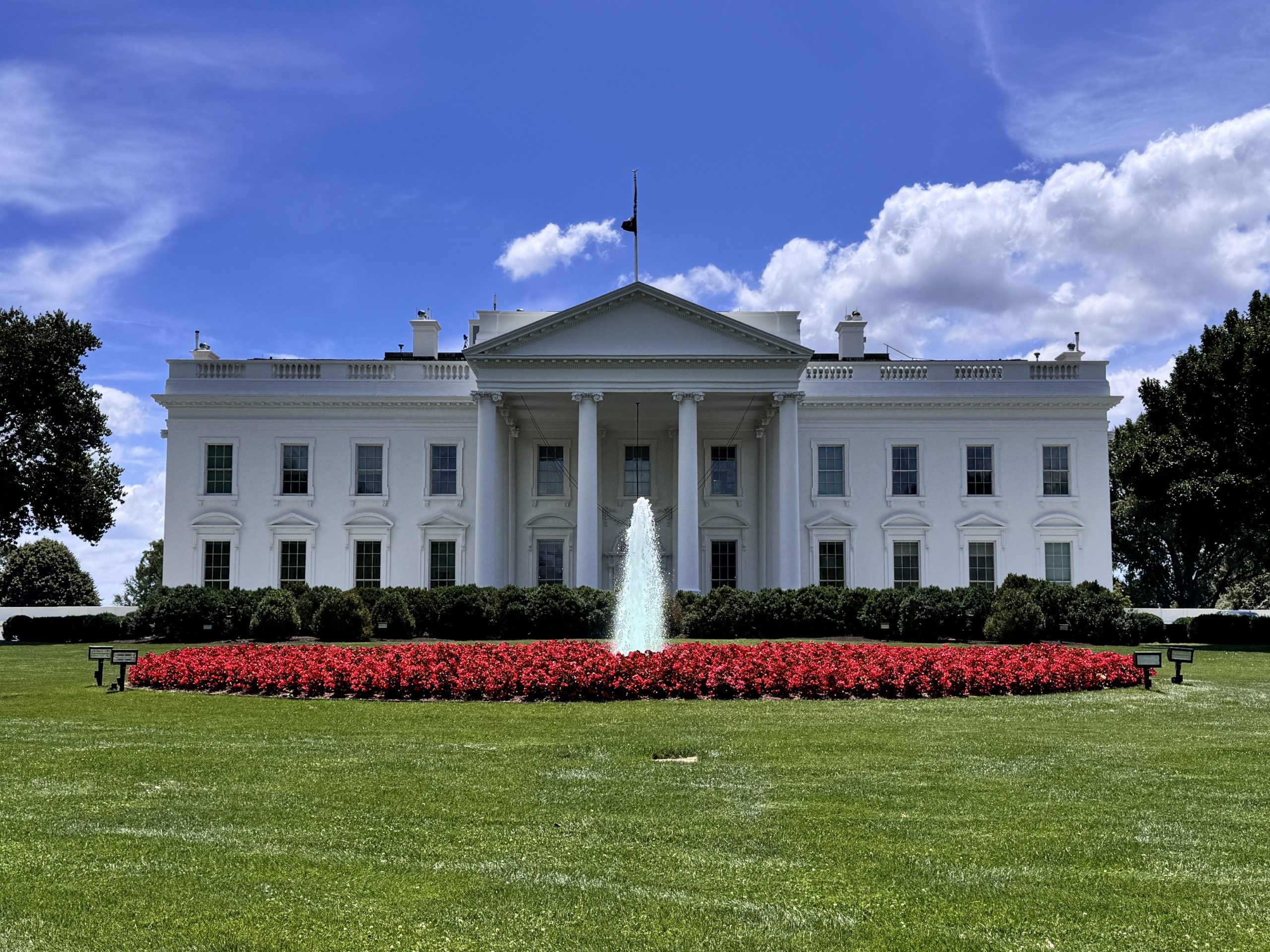
Since returning to the White House in January 2025, Trump has transformed the Oval Office with gold accents, including gold vermeil figurines on the mantle, medallions on the fireplace and gold eagles on the side tables. He has also paved over the Rose Garden, torn down the East Wing to make way for the ballroom, and resurfaced the Reflecting Pool — changes that have proved largely unpopular with voters, according to CNN.
Trump cited the history of the two rooms as the reason they needed protection. “I’m going to be signing a document which will make them into a landmark for the ages,” he said. “When completed and when we get the documentation fully done, legally binding, it’ll make it impossible for anybody ever to destroy this incredible space.”
What happens next
The Interior Department will now draw up the management plan for the monument. Trump has said he will send the designation to Congress for ratification, although no vote has been scheduled and Democrats, who will hold the majority from January, have not indicated whether they would support it.
Whether the designation survives beyond Trump’s presidency will depend on his successor. Until then, the Oval Office keeps its shape — and its gold.
Frequently asked questions
Is the Oval Office now a national monument?
Trump signed a proclamation on 5 November 2026 designating the Oval Office, Outer Oval Office and Cabinet Room a national monument under the Antiquities Act. He has said he will seek congressional ratification.
Can a future president change the Oval Office?
Yes. The proclamation does not restrict redecoration, furnishings or ordinary operational and security changes, and a future president can reverse the proclamation itself.
Why did Trump do this now?
The signing was his first official action after Republicans lost both chambers of Congress in the midterm elections on 3 November 2026. Trump has spent his second term remodelling the White House, including gilding the Oval Office.
Sources
Associated Press via The Week — “Trump makes the Oval Office a national monument. But future presidents can still redecorate”: https://www.theweek.in/wire-updates/international/2026/11/06/trump-makes-the-oval-office-a-national-monument-but-future-presidents-can-still-redecorate.html
Reuters — “Trump takes action to make sure the Oval Office stays oval”: https://www.reuters.com/world/us/trump-takes-action-make-sure-oval-office-stays-oval-2026-11-06/
USA Today — “Trump takes executive action to prevent changes to Oval Office”: https://www.usatoday.com/story/news/politics/2026/11/05/trump-oval-office-cabinet-room-national-monument-miderm-election/92631574007/
CNN — “Trump says he’s declaring Oval Office and Cabinet Room national landmarks to prevent future changes”: https://www.cnn.com/2026/11/05/politics/trump-oval-office-cabinet-room-landmarks?cid=external-feeds_iluminar_meta
People — “Trump Declares the Oval Office a National Monument So Nobody Can ‘Destroy’ It”: https://people.com/trump-declares-oval-office-national-monument-so-nobody-can-destroy-it-12239060
Newsmax — “Trump Protects Oval Office, Cabinet Room”: https://www.newsmax.com/newsfront/donald-trump-proclamation-oval-office/2026/11/05/id/1275335