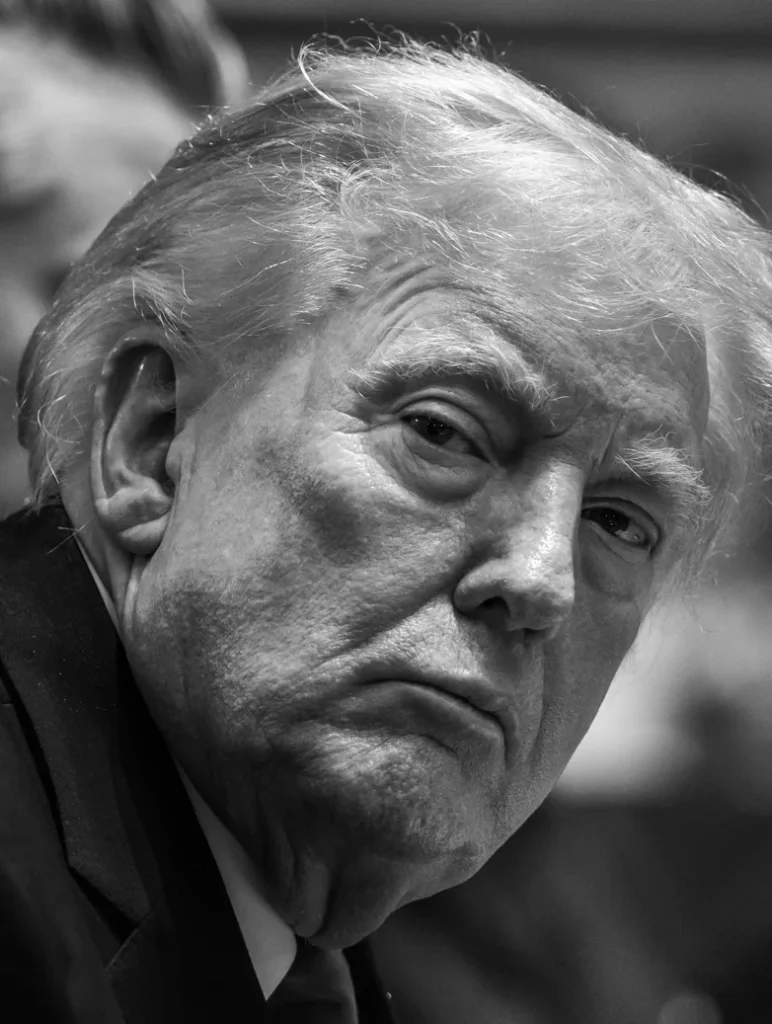
Quick Answer: President Donald Trump has not made a final decision on the Russia sanctions he waived on Friday, he told reporters at Mar-a-Lago on Saturday. Secretary of State Marco Rubio said Trump wants up to 60 days to study the economic impact of the Graham Act sanctions and tariffs before deciding whether to impose them.
The day after signing an executive order waiving key sanctions and tariffs on Russia, President Donald Trump said Saturday he has yet to make a final decision — and his top diplomat says the White House wants up to two months to think them over.
Key Takeaways
- Trump told reporters at Mar-a-Lago on Saturday he has made “no final decision” on the waived Russia sanctions and tariffs.
- Secretary of State Marco Rubio said Trump wants up to 60 days to assess the economic impact.
- The measures fall under the Graham Act, which authorized tariffs of up to 100% on goods from the biggest buyers of Russian oil and gas.
- Ukraine’s Volodymyr Zelensky warned the waiver would embolden Vladimir Putin and prolong the war.
What Trump and Rubio Said
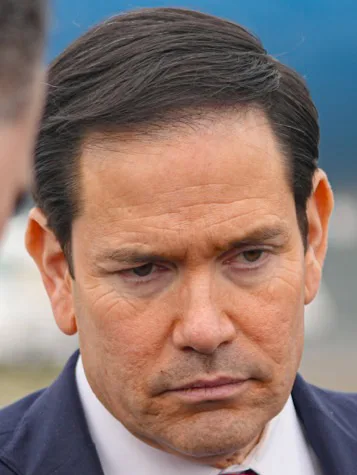
At his Mar-a-Lago club in Palm Beach, Florida, on Saturday, Trump said of the sanctions decision: “A lot of you don’t know what my decision is yet, but we’ll figure it out, and you’ll figure it out.”
Secretary of State Marco Rubio, speaking before departing for Uzbekistan, said Trump wants “to take the 60-day period of time to sort of analyze” what the sanctions and tariffs would mean for the global and US economies.
What the Graham Act Waiver Did
On Friday, Trump waived key sanctions and tariffs under the Lindsey O. Graham Sanctioning Russia and Iran Act — signed last month at the urging of lawmakers who want to pressure Moscow over the Ukraine war. The measures, including tariffs on Russian goods and penalties on countries buying Russian oil and gas, had been due to take effect next week. The act empowered tariffs of up to 100 percent on goods from the five largest buyers of Russian oil or gas, including India and China. Background: Trump’s Friday order waiving the Russia sanctions, explained.
Why the White House Wants More Time
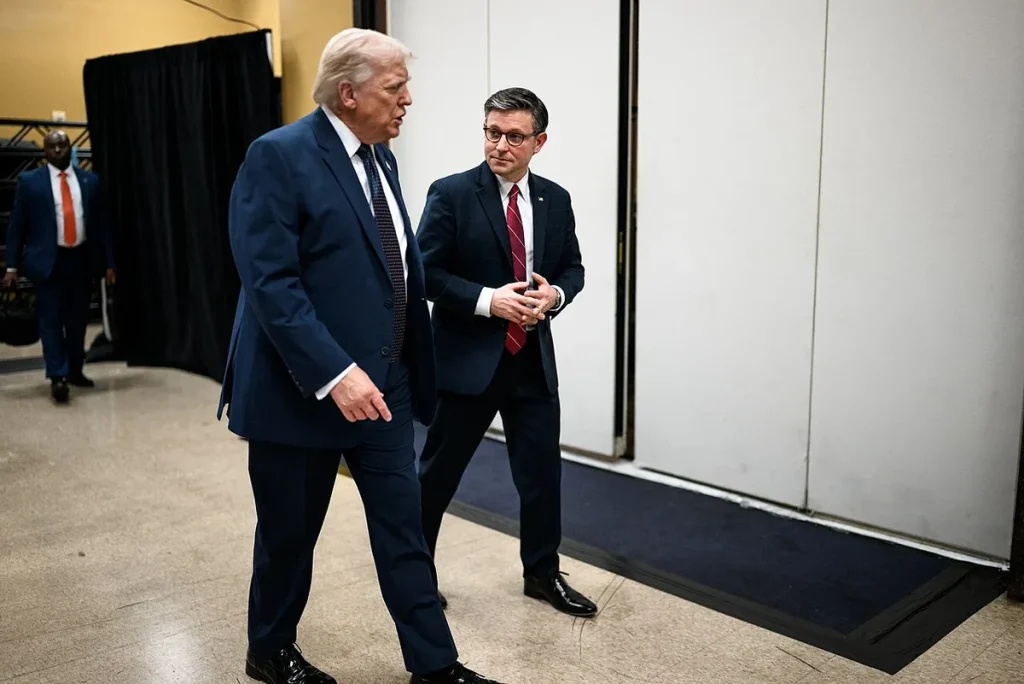
The pause comes weeks before November’s midterm elections, with Trump under pressure over high energy prices as the war with Iran disrupts global oil supplies, Reuters reported. Rubio cited competing pressures — energy-supply strain from the Iran conflict, Houthi attacks in Saudi Arabia, and the Ukraine-Russia war — and called India an important US ally that has diversified its energy sources but still relies substantially on Russian oil, saying a shift “could not happen overnight.”
The Trump-Russia sanctions waiver drew swift criticism from Ukrainian President Volodymyr Zelensky, who warned it would embolden Putin and prolong the war. Ukraine resumed strikes on Russian refineries earlier this week after ending a US-brokered energy truce.
Frequently Asked Questions
Has Trump lifted sanctions on Russia?
No. Friday’s order waived — effectively paused — key Graham Act sanctions and tariffs, but Trump said Saturday no final decision has been made. Rubio said a 60-day economic review comes first.
What is the Graham Act?
The Lindsey O. Graham Sanctioning Russia and Iran Act pressures Moscow over the Ukraine war. It lets the president sanction Russia and tariff goods from the five largest buyers of Russian oil or gas at up to 100%.
Why does Trump want 60 days?
Per Rubio, to weigh the impact on the US and global economies — including energy pressure from the Iran conflict, Houthi attacks in Saudi Arabia, and allies like India that still depend on Russian oil.
What did Zelensky say about the waiver?
Ukraine’s president warned Friday’s waiver would embolden Russian President Vladimir Putin and prolong the war in Ukraine.
Sources: Reuters, The Straits Times, Business Standard.
Published October 18, 2026. Events described took place October 17, 2026; details last checked October 18, 2026.