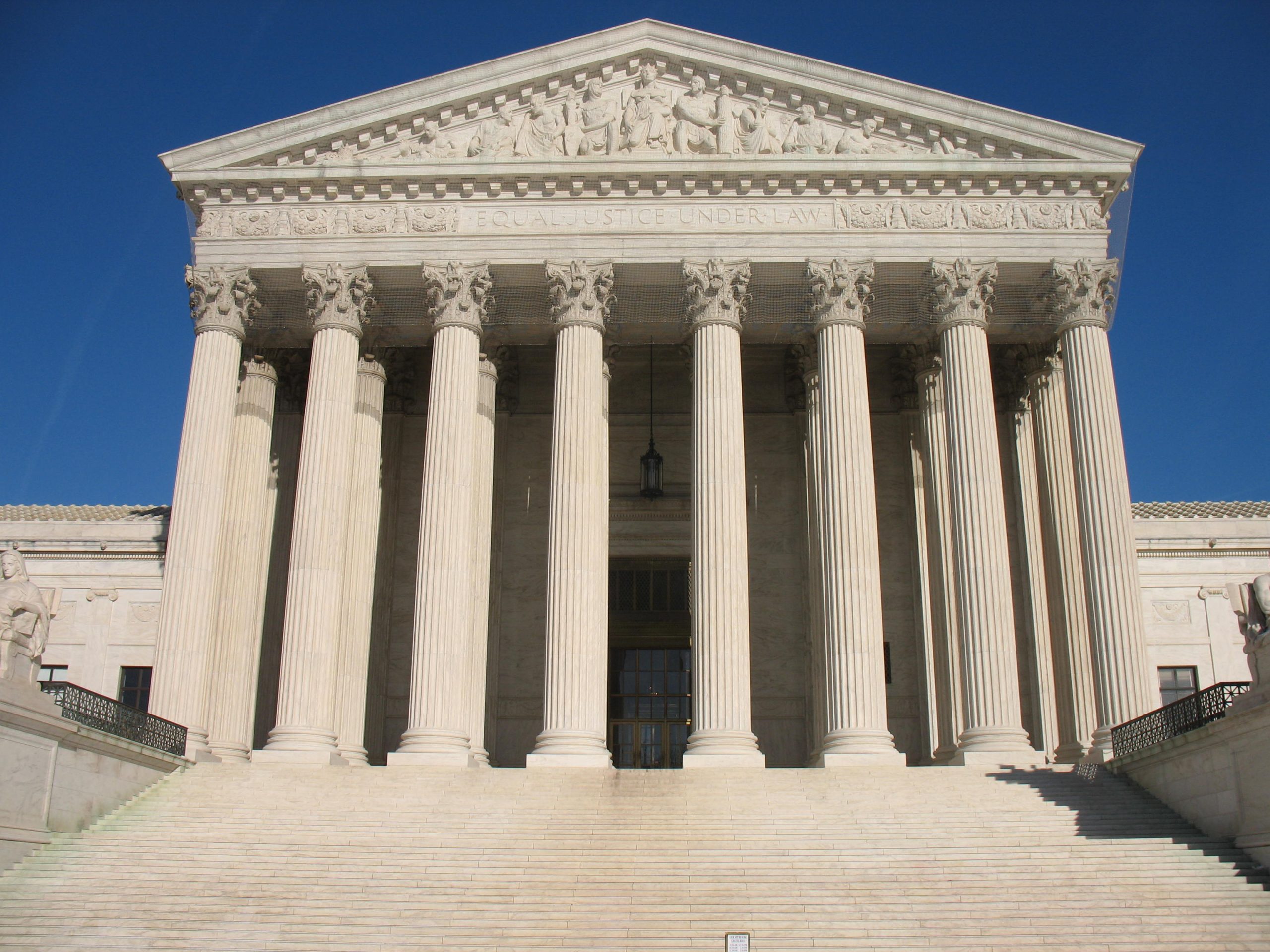
The US Supreme Court heard oral argument on Tuesday in a case that asks whether Colorado can keep Catholic preschools out of its publicly funded universal preschool programme because they will not comply with a rule against discriminating against LGBTQ families.
The case, St. Mary Catholic Parish v. Roy, No. 25-581, was argued on November 3, 2026 — the same day as the nation’s midterm elections. The argument gives the first public indication of how the justices view the competing claims, but no decision is expected until before the end of the court’s term next summer. Nothing in this article claims an outcome.
What the case is about
Colorado voters approved a universal preschool programme in 2020, and the state launched it in 2023, offering every four-year-old access to free, publicly funded preschool. Parents receive public funds to send a child to the preschool of their choice, public or private, including faith-based schools.
Every participating provider must sign an agreement giving each eligible child an equal opportunity to enrol, regardless of religious affiliation, sexual orientation or gender identity, among other categories. Catholic preschools overseen by the Archdiocese of Denver say they cannot sign: their religious teaching holds that marriage is strictly between a man and a woman, and they give admissions preference to families who share or support Catholic teaching, including on marriage and sexuality.
The plaintiffs are St. Mary Catholic Parish in Littleton and St. Bernadette Catholic Parish in Lakewood, together with the Archdiocese of Denver and a family. They are represented by the Becket Fund for Religious Liberty. In 2023, the archdiocese directed its preschools not to register for the programme, saying its requirements ran counter to their views on sexuality and gender identity.
What the lower courts decided
The lower courts largely sided with Colorado. A federal district court ruled for the state in June 2024, and the US Court of Appeals for the 10th Circuit affirmed in September 2025. Those courts concluded that Colorado had set a neutral, generally applicable rule for everyone receiving public funds — if a school takes taxpayer dollars to run a preschool, it cannot turn families away based on who they are — and that the state was not targeting or punishing Catholic preschools because of their faith.
The Catholic preschools argue that the rule is not truly general: Colorado allows some exemptions to its requirements, for example letting church preschools give admissions preference to members of their own congregation. If the state can make those kinds of exceptions, they argue, it is discriminatory not to accommodate their religious exercise as well.
The two questions before the court
When the Supreme Court agreed to hear the case on April 20, 2026, it limited review to two questions. First, whether exceptions to the state’s enrolment requirements undermine their general applicability under the First Amendment’s Free Exercise Clause. Second, whether earlier Supreme Court decisions protecting religious institutions’ access to public benefits apply to this dispute.
The second question reaches back to a line of cases beginning in 2017 — Trinity Lutheran v. Comer, Espinoza v. Montana and Carson v. Makin — in which the court ruled that states cannot flatly disqualify religious schools from public grants or tuition assistance programmes simply because of their religious character or instruction. The court declined, however, to reconsider its 1990 precedent in Employment Division v. Smith, which held that religious practices do not automatically create exemptions from laws that otherwise apply broadly.
The Trump administration, through Solicitor General D. John Sauer, is backing the Catholic plaintiffs.
What each side says is at stake
The plaintiffs say the stakes are practical as well as constitutional: they say enrolment at archdiocesan preschools has fallen 20 percent since the programme started and two preschools have closed, as parents withdrew children and enrolled them in schools receiving public funding. Those figures are the plaintiffs’ claims, not independently verified findings.
Colorado’s position, as stated in its brief, is that the Catholic schools were never shut out: they remain welcome to participate in the universal preschool programme, subject to the same equal-opportunity requirements as every other provider. The state argues that its other admissions decisions, such as prioritising children with disabilities or from low-income families, are consistent with its anti-discrimination rules.
Why it matters beyond Colorado
The case sits at the intersection of two principles the court has been balancing for a decade: governments may not exclude religious institutions from public benefits because they are religious, and governments that spend public money may attach conditions to it. A ruling for the preschools could narrow how far states can go in attaching non-discrimination conditions to public funding; a ruling for Colorado would leave the equal-opportunity condition in place for a programme serving tens of thousands of children.
Either way, the decision will shape how other states design universal preschool and similar programmes — and how religious schools decide whether public money is worth the conditions attached to it.
Frequently asked questions
What did the Supreme Court decide in the Catholic preschools case?
It has not decided yet. The court heard oral argument on November 3, 2026, and a decision is expected before the end of the court’s term next summer.
Which preschools brought the case?
St. Mary Catholic Parish in Littleton and St. Bernadette Catholic Parish in Lakewood, Colorado, together with the Archdiocese of Denver and a family, represented by the Becket Fund for Religious Liberty.
What rule are the preschools challenging?
Colorado’s requirement that providers in its universal preschool programme give every eligible child an equal opportunity to enrol, regardless of sexual orientation or gender identity, among other categories. The preschools say signing that agreement would compromise their religious beliefs about marriage and sexuality.
Sources
- MTSU First Amendment Encyclopedia, “Religious preschools want public funding, but exemptions from nondiscrimination rules” — https://firstamendment.mtsu.edu/post/religious-preschools-want-public-funding-but-exemptions-from-nondiscrimination-rules-supreme-court-will-decide-if-thats-constitutional/
- Law Week Colorado, “Listen to Supreme Court oral argument in St. Mary Catholic Parish v. Roy” — https://www.lawweekcolorado.com/article/listen-to-supreme-court-oral-argument-on-st-mary-catholic-parish-v-roy/