Spain’s transport minister says the deadly high-speed train crash near Toledo followed an “erroneous decision” to restart a Renfe train despite an active red signal, after a computer communications failure had stopped traffic on the line. The death toll has risen to at least 68, according to the Castilla-La Mancha regional government, but officials warn the figure is provisional and may still rise.
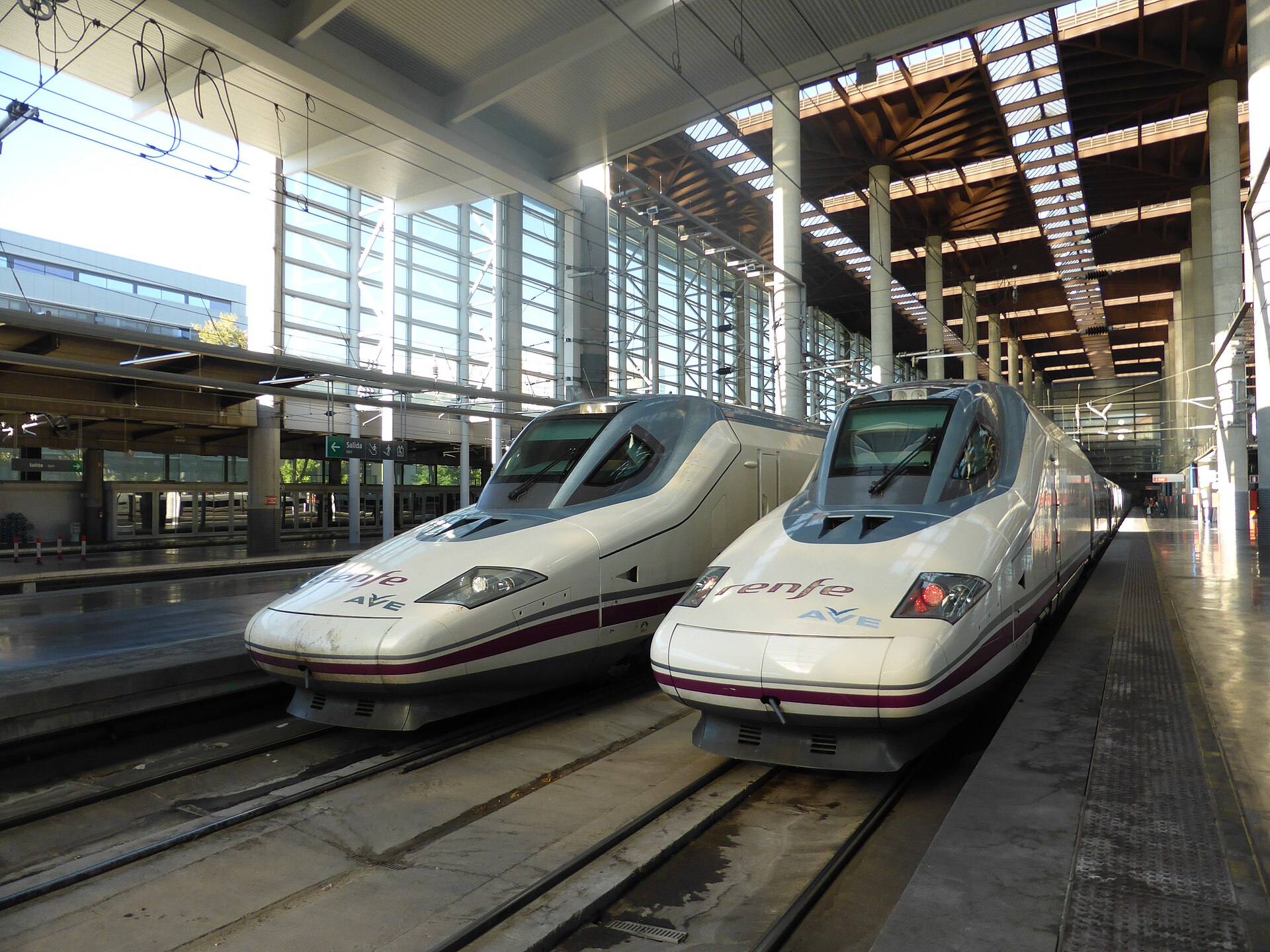
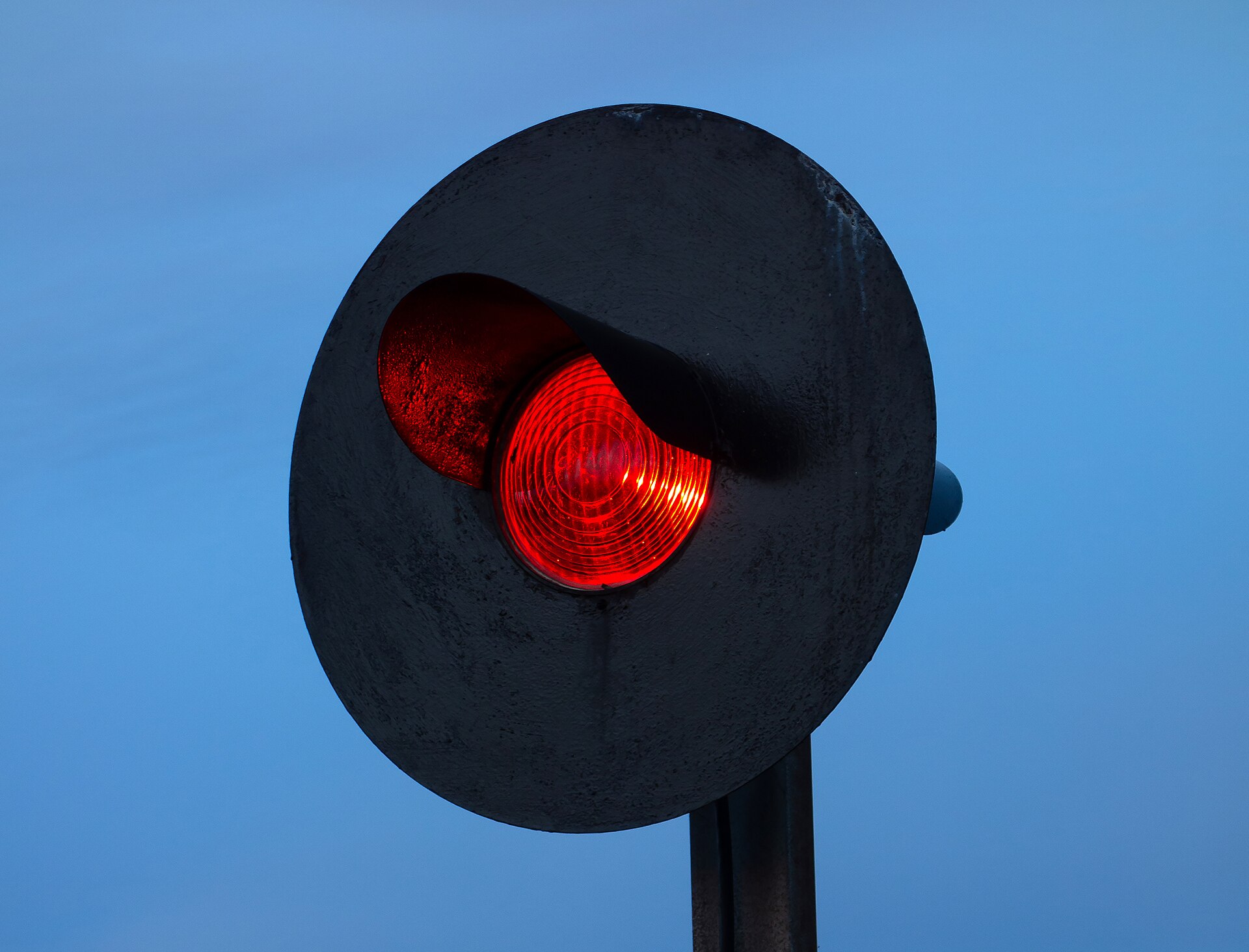
Transport Minister Óscar Puente told a press conference in Madrid that the Renfe train was authorised to continue its journey “despite an active red signal because of a stationary train on the tracks ahead, breaking protocol,” Reuters reported. He said the red signal was issued because of a computer communications failure which automatically stopped traffic, and that “an erroneous decision” was made to restart the train.
Puente described the restart order from the central command centre as “inexplicable”, the Associated Press reported, and said the train engineers were not to blame. “I am not attributing responsibility to anyone, I am just stating the facts,” he said. His account is the minister’s description of what happened — it is not a final investigative finding, and the investigation has not concluded.
What the minister says went wrong
Specialist outlet Railway Gazette International, citing the minister’s account, reported that the LZB train-protection equipment at Urda suffered an IT outage at about 8:30 a.m., which stopped trains as designed. At about 8:36 a.m., Adif’s control centre authorised the Renfe train to resume at line speed, even though the section ahead was still occupied by the stationary Iryo train.
Under the normal rule after such a failure, Railway Gazette reported, a train should resume only on line of sight, at a maximum of 40 km/h, so the driver can stop before any obstacle. Puente said the train should never have been told to start moving again while a stop signal was still active — and if it had been, it should have been told to go at reduced speed.
The Iryo train later received an instruction to move after the Renfe train had already resumed, Railway Gazette reported, and it remains unclear why that instruction did not take effect. The exact impact speed is still being studied and has not been confirmed.
The crash
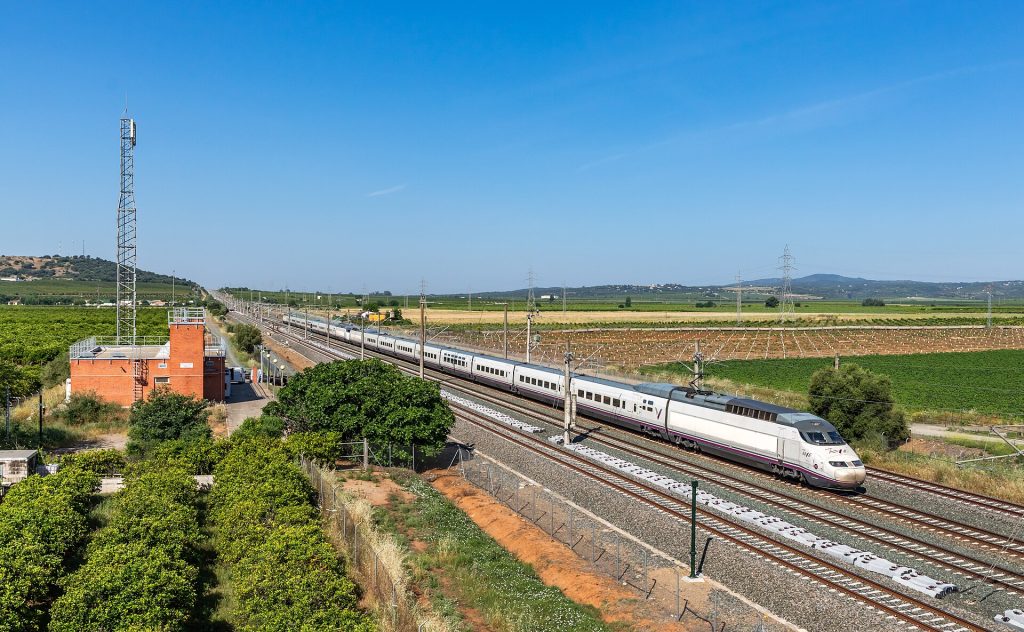
The collision happened on Wednesday morning, 28 October, on the Madrid–Andalusia high-speed line at kilometre 118, between Los Yébenes and Urda in Toledo province, about 130 to 150 kilometres south of Madrid. A Renfe AVE service, AVE 2080, which left Madrid Atocha at 8 a.m. for Seville carrying 397 passengers, ran into the rear of a stationary Iryo service, Iryo 6076, carrying 147 passengers. Together the two trains carried 544 people. Carriages derailed and fell down an embankment, and high-speed services between Madrid, Ciudad Real and Andalusia were suspended.
This follows our earlier report on the crash, when at least 30 deaths had been confirmed: At Least 30 Dead as High-Speed Trains Collide Near Toledo, Spain.
Death toll: what is confirmed and what is not reconciled
The toll rose through the day as rescue teams reached the most damaged carriages: from 10 confirmed in the morning, to at least 30, then through intermediate figures of 39 and 46, to at least 64 in the early afternoon, and now at least 68, according to the regional government via the Associated Press. Regional president Emiliano García-Page announced the figure of 68, according to The Times’ live coverage.
One mismatch has not yet been reconciled: the per-train breakdown published alongside the earlier figures — 40 people on the Iryo train and 24 on the Renfe train — adds up to 64, not 68, and no updated breakdown summing to 68 has been published. Readers should therefore treat at least 68 as the latest regional-government figure, not as a final reconciled count.
Injury figures are also reported in different framings and should not be merged into a single total: the Associated Press reported 58 people needing hospital treatment, 15 of them very seriously, while the regional president was reported as saying about 80 people were injured, around 50 seriously. Rescue and recovery work at the scene is continuing.
Investigation under way
A court in Orgaz has taken up the criminal case, and Spain’s railway accident investigation authorities are examining the technical causes, with Adif also examining the sequence of events. The exact investigating body for this crash has not been confirmed in a single primary source, so it is named here only in general terms. Still unknown: who issued the restart order and why it was given at line speed rather than at reduced speed on sight, why the Iryo train’s move instruction did not take effect, and the final death toll.
The crash is the second major train accident in Spain this year. A separate crash near Adamuz in January, which killed 46 people, is a different incident on the same line — it should not be confused with the intermediate figure of 46 reported during Wednesday’s rescue operation.
What happens next
Investigators will reconstruct the signalling failure, the control-centre orders and the trains’ movements from system records and the trains’ data recorders. Until that work is complete, the minister’s account stands as the government’s description of events, not as a concluded finding of fault. Madrid–Andalusia services remain disrupted, and travellers on the route should expect cancellations and delays.
FAQ
What caused the Toledo train crash? According to Transport Minister Óscar Puente, a computer communications failure stopped traffic, and a Renfe train was then wrongly authorised to restart despite an active red signal. The official investigation has not concluded.
How many people died? At least 68, according to the Castilla-La Mancha regional government via the Associated Press. The figure is provisional, and the published per-train breakdown has not yet been updated to match it.
Are the train drivers to blame? Puente said the train engineers were not to blame, and said he was stating facts rather than attributing responsibility to anyone.
Sources
- Reuters via USA Today, “At least 64 dead after two high-speed trains collide in Spain”, 28 Oct 2026: https://www.usatoday.com/story/news/world/2026/10/28/high-speed-trains-collide-spain/92473986007/
- Associated Press, “At least 68 dead in Spain after one high-speed train slams into another stopped on tracks”, 28 Oct 2026: https://www.wcia.com/news/international/ap-reports-10-dead-in-crash-between-2-spanish-trains-crash-in-toledo-province/
- Railway Gazette International, “Investigation launched into second fatal accident on Madrid – Andalucía high speed line this year”, 28 Oct 2026: https://www.railwaygazette.com/spain/2026/10/28/investigation-launched-into-second-fatal-accident-on-madrid-andalucia-high-speed-line-this-year/
- Times Now, “What Caused Spain’s Deadly Train Crash? Minister Points to Control Centre Error”, 28 Oct 2026: https://www.timesnownews.com/world/europe/spain-train-accident-cause-latest-updates-death-toll-renfe-iryo-train-services-resume-news-article-156423314/amp