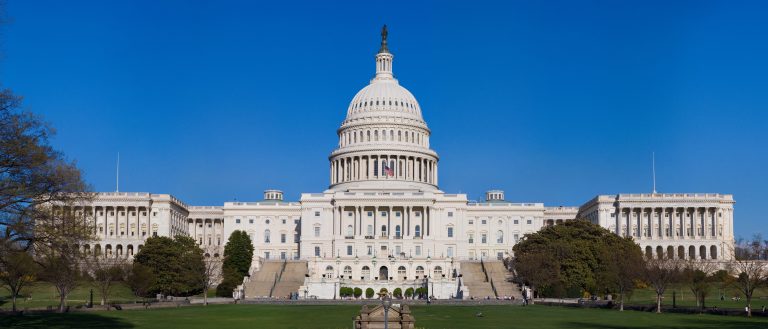
Democrats are strong favourites to retake the House of Representatives when Americans vote in the midterm elections on Tuesday, November 3, according to the Silver Bulletin forecast updated on October 29.
The forecast gives Democrats a 95.1% chance of winning control of the House, projecting an average of 240 Democratic seats against 195 Republican seats. That would be a net gain of about 25 seats for Democrats.
What the House forecast says
The 240-seat average is a projection from Silver Bulletin’s model, not a vote count and not a result. A party needs 218 seats for a House majority. The forecast’s central estimate sits well above that line, but its own breakdown shows why the headline percentage should not be read as certainty: 199 districts are rated Solid Democratic, 27 Likely Democratic, and six are toss-ups.
Silver Bulletin’s polling average also pointed to a clear national lead for Democrats. Its October 30 generic-ballot average put Democrats ahead by 8.9 percentage points, or 9.1 points with a likely-voter adjustment. The RealClearPolling average reported around the same time put Democrats ahead by 8.2 points, at 51.4% against 43.2%.
Senate picture is closer
The Senate forecast is narrower. Silver Bulletin put Democrats’ chance of taking the Senate at 77.7%, with an average projected split of 53 Democratic seats to 47 Republican seats.
That is a much tighter call than the House, and it depends on a small number of closely fought races. In his October 29 update, Nate Silver noted that Democratic polling leads in Texas, Ohio, Alaska and Maine were each within the range of a normal polling error — a reminder that small shifts in those states could change the Senate outcome even if the national picture looks stable.
How other forecasters compare
Other forecasters point in the same direction on the House, with different levels of confidence. The Cook Political Report’s October 30 update said the most likely outcome was Democrats flipping between 12 and 25 seats, giving them between 227 and 240 seats in 2027. Race to the White House gave Democrats a 93.9% chance of flipping the House and projected 235 seats.
The differences matter. Forecasters use different polling, fundamentals and uncertainty assumptions, so their percentages are not directly interchangeable. They agree that Democrats are favoured in the House; they disagree more about the size of the majority and about the Senate.
Why it matters on election day
Control of the House decides who sets the legislative agenda, chairs committees and controls subpoena power for the final two years of President Donald Trump’s term. A Democratic House would be able to block Republican legislation and open investigations, even if the Senate stayed closely divided.
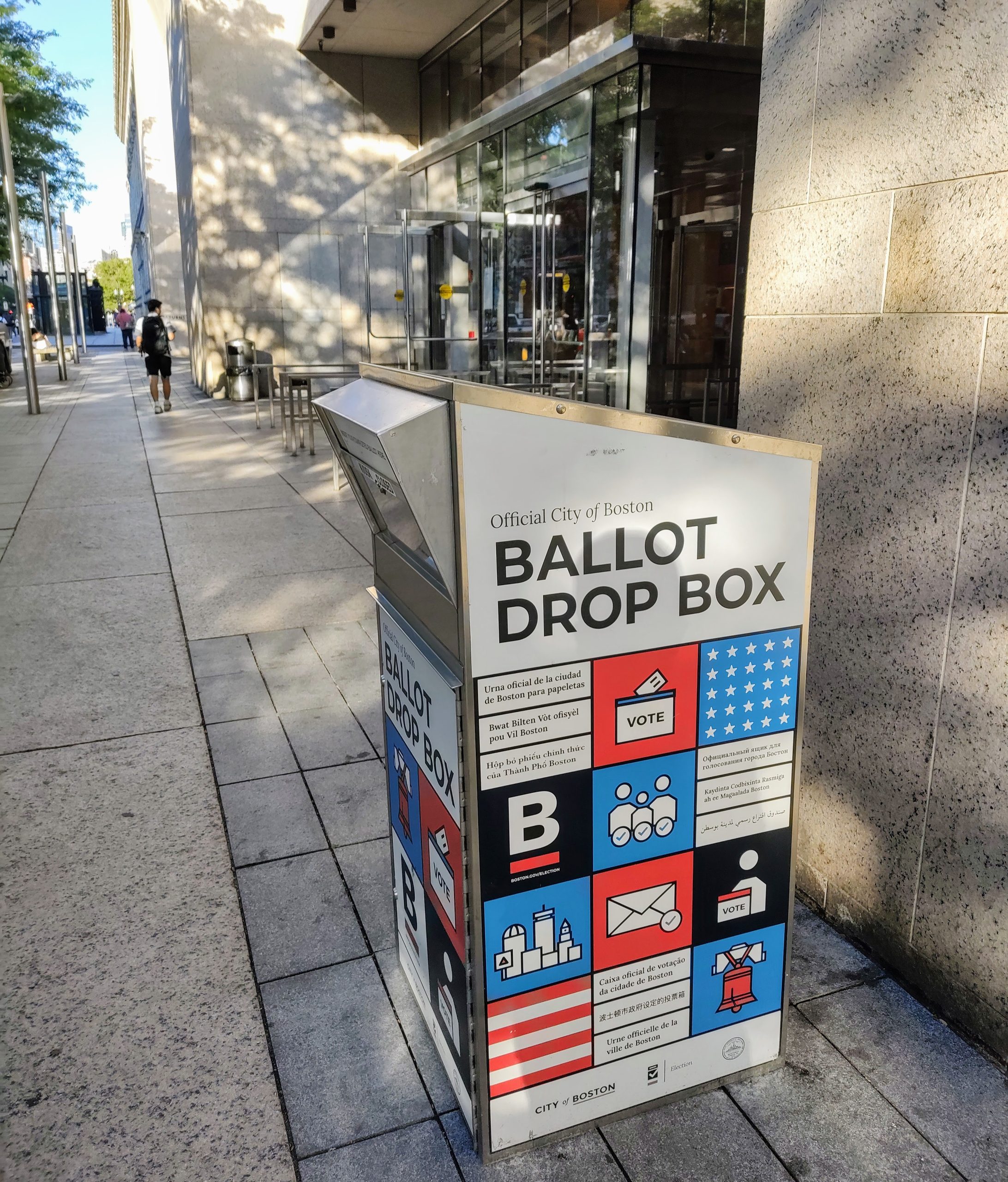
None of that is decided by a forecast. Votes cast on November 3, and the counting that follows in close races, will determine the actual result — and in some contests that may take days to confirm.
What is still uncertain
The forecast is dated October 29, with a November 1 update keeping the House chance at about 95%. It does not capture any final-weekend movement. Turnout, late-deciding voters and polling error in individual districts could all move the final seat count away from the 240 average, in either direction.
Readers should also keep the two chambers separate: a strong House projection does not by itself settle the Senate, where Democrats need to flip seats in states that have often voted Republican in recent cycles.
Frequently asked questions
Does a 95.1% chance mean Democrats will definitely win the House? No. It means the model found a Democratic House win in about 95 out of 100 simulated elections. A low-probability outcome can still happen.
Is 240 seats a prediction of the exact result? No. It is the average across the model’s simulations. The actual result could be higher or lower.
When will the real result be known? Voting takes place on November 3, but close races may not be called on election night, and official counting can continue afterwards.
Related reading on Emadan: Democrats Lead in Six of Seven Key Senate Battlegrounds in Final NYT/Siena Polls Before US Midterms and Chris Larsen’s $22.5m midterm bets on Big Tech and AI regulation.
Sources
- Times Now — US Midterms: 3 Days To Go, Who Will Control Congress?
- EuropeSays — Final Midterms Polls Show Democrats Poised to Flip Congress
- Political.org — The 5 Storylines to Watch on Election Day
- Nation Press — US midterms 2026: Trump’s Congress grip on the line as Americans vote