Foreign ministers from the United States, Australia, India and Japan have expressed “grave concern” about what they called economic coercion through export restrictions and non-market practices, in a joint statement issued after their meeting in Atlanta on Saturday.
The Quad ministers — US Secretary of State Marco Rubio, Indian External Affairs Minister S. Jaishankar, Australian Foreign Minister Penny Wong and Japanese Foreign Minister Toshimitsu Motegi — met on the sidelines of the Group of 20 foreign ministers’ meeting in Atlanta. It was the third Quad foreign ministers’ meeting this year, after gatherings in New Delhi in May and Manila in July.
“They expressed grave concerns regarding economic coercion, including through arbitrary export restrictions, as well as non-market policies and practices that result in overcapacity to disrupt global supply chains in critical industries,” the joint statement said, in wording reported by Reuters and India’s PTI news agency.
The statement did not name China. PTI described the language as an apparent reference to China, and Reuters noted the timing: Japan has been sharply critical of Beijing over restrictions on critical mineral exports, while the US has been assembling a coalition of countries concerned about China’s dominance in rare earths and other critical minerals.
Asked at a press conference whether the concern about economic coercion was aimed at China, Rubio said the Quad “is not an anti-China or anti-any-country alliance. It is a cooperative arrangement that shares common interests and a shared opposition to certain practices,” according to the Korea Herald’s account of the meeting.
What the ministers pledged
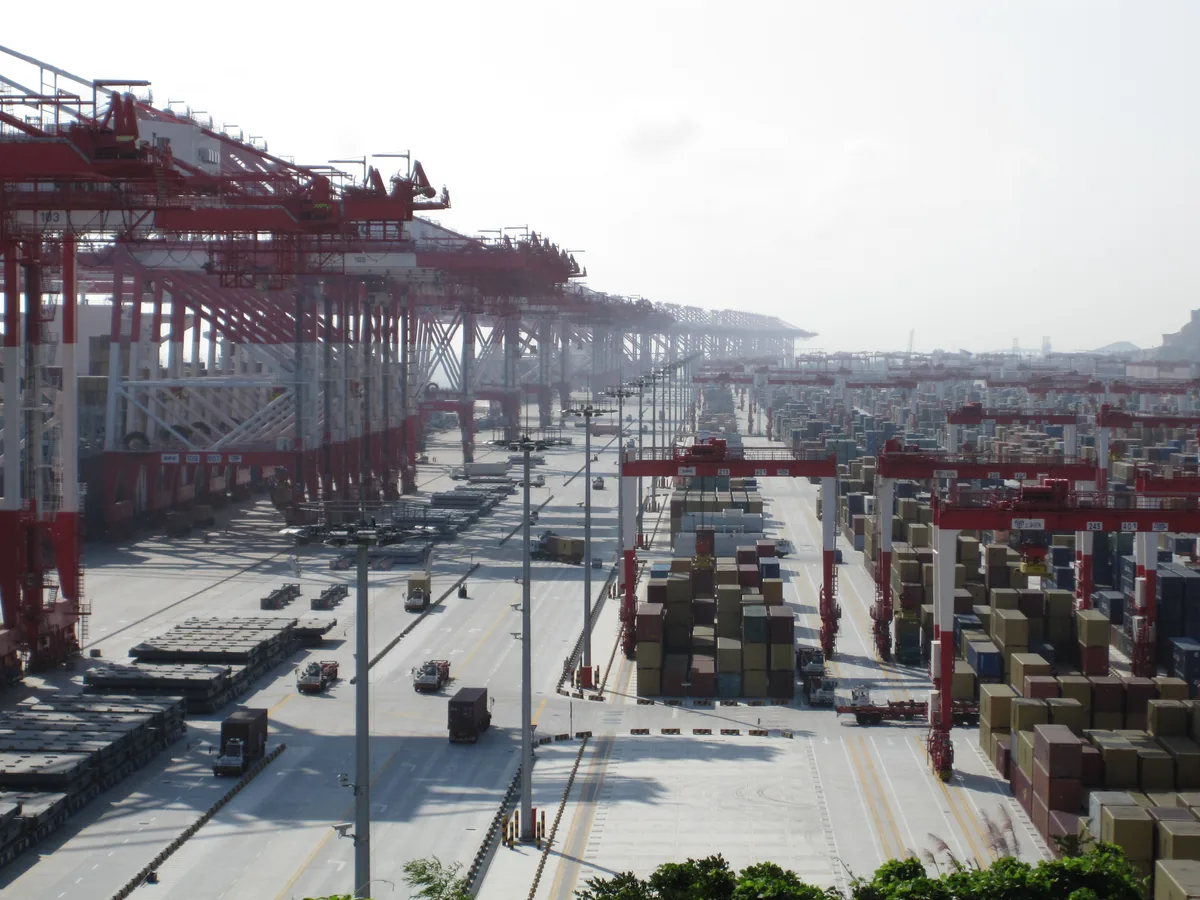
The ministers reiterated their commitment to building reliable and open global supply chains and trusted and resilient infrastructure, and said economic security was central to stability and prosperity in the Indo-Pacific.
They pledged more than $85 million in technical and financial assistance to expand access to trusted artificial intelligence technologies across the Indo-Pacific. India’s Times of India notes the statement uses “SI” (Super Intelligence) for AI, following a recent US executive order renaming AI.
On critical minerals, the four countries said they were jointly pursuing the recovery of critical minerals from e-waste, scrap and waste materials to reduce dependence on any single supplier, and reinforced the need for secure, resilient and trusted supply chains for advanced semiconductors and AI hardware.
The ministers also announced the first-ever Quad Business Leaders’ Forum, bringing together industry leaders, government and policy experts to deepen public-private ties and promote commercial deals in key sectors.
Sea lanes and the leaders’ summit
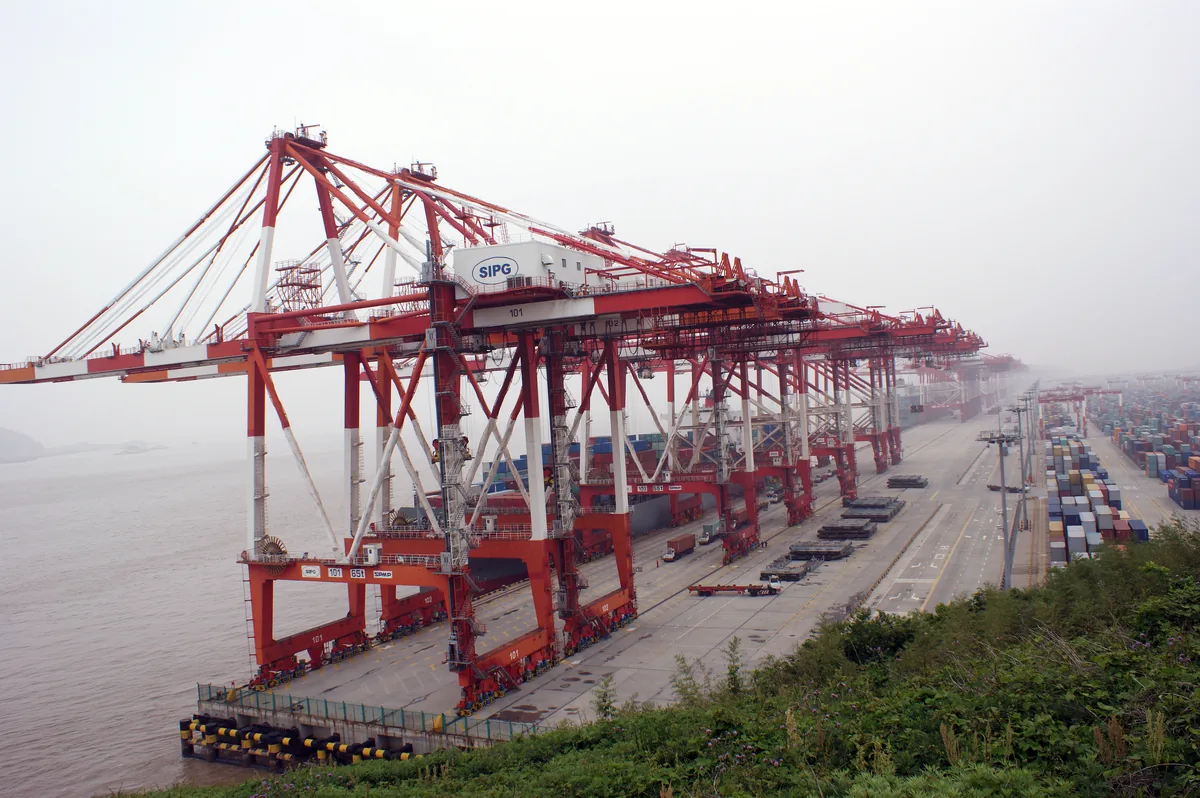
The statement reiterated what it called the absolute necessity of protecting navigational rights and freedoms in the Strait of Hormuz, the Red Sea and the Bab el-Mandeb Strait, in accordance with international law as reflected in the UN Convention on the Law of the Sea.
Plans are also taking shape for US President Donald Trump to attend his first formal meeting of the Quad leaders next month in Manila, during the ASEAN-East Asia summits — the leaders’ summit itself is a separate development from this ministers’ statement.
Why it matters
The statement is the Quad’s most direct joint language yet on supply-chain pressure, stopping short of naming China while leaving little doubt about the target in the eyes of reporting outlets. For the four countries, the practical test is whether the supply-chain, critical-minerals and AI pledges turn into projects that reduce dependence on a single supplier — the very dependence the statement warns about.
What is still unknown
The statement contains no enforcement mechanism and no timetable for the new initiatives beyond the leaders’ summit next month. It also does not say which suppliers’ practices it considers coercive in any specific case, leaving that interpretation to the reporting around it rather than the text itself.
Related coverage on Emadan: Iran War Puts Energy Security at Centre of G20 Foreign Ministers’ Talks in Atlanta
Frequently asked questions
What is the Quad? A grouping of the United States, Australia, India and Japan focused on a free and open Indo-Pacific, covering security, supply chains, technology and infrastructure.
Did the statement name China? No. It criticised economic coercion and arbitrary export restrictions without naming any country; news agencies described it as an apparent reference to China.
What did the ministers announce? More than $85 million for trusted AI access in the Indo-Pacific, joint critical-minerals recovery from e-waste and scrap, secure semiconductor supply chains, and a first Quad Business Leaders’ Forum.
Sources: Reuters via GMA Network, November 1; PTI via ABP Live, November 1; Indian Express, November 1; Times of India, November 1