Pope Leo XIV has warned against giving artificial intelligence systems legal personhood or rights, telling a Vatican gathering on 30 October that machines are tools, not persons, and that responsibility for what AI systems do must stay with their human creators.
He also urged states meeting in Geneva in November to take concrete steps towards banning lethal autonomous weapons, and said decisions affecting human life, freedom and the use of force must never be left to machines without effective, informed and accountable human oversight.
What the Pope said
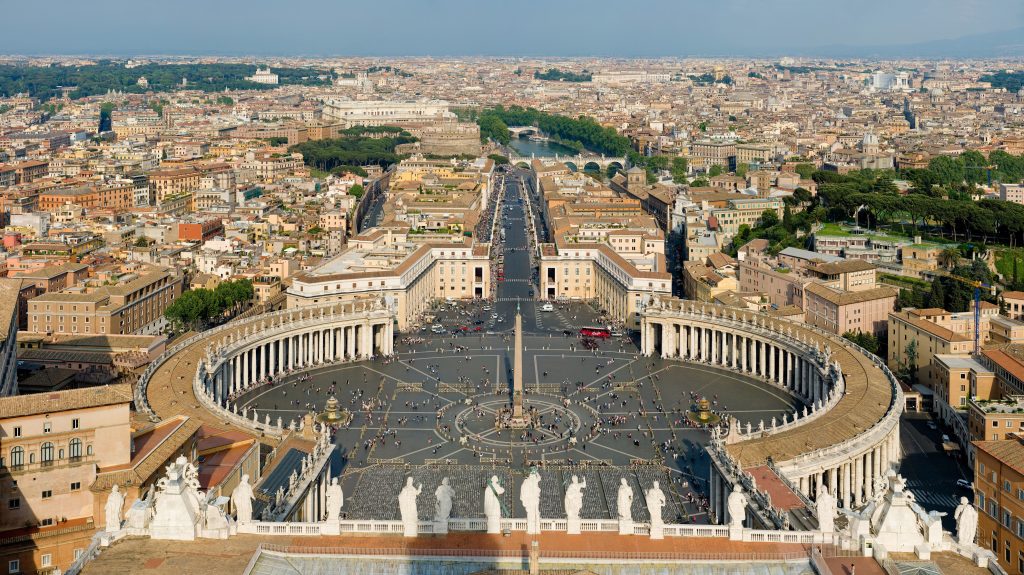
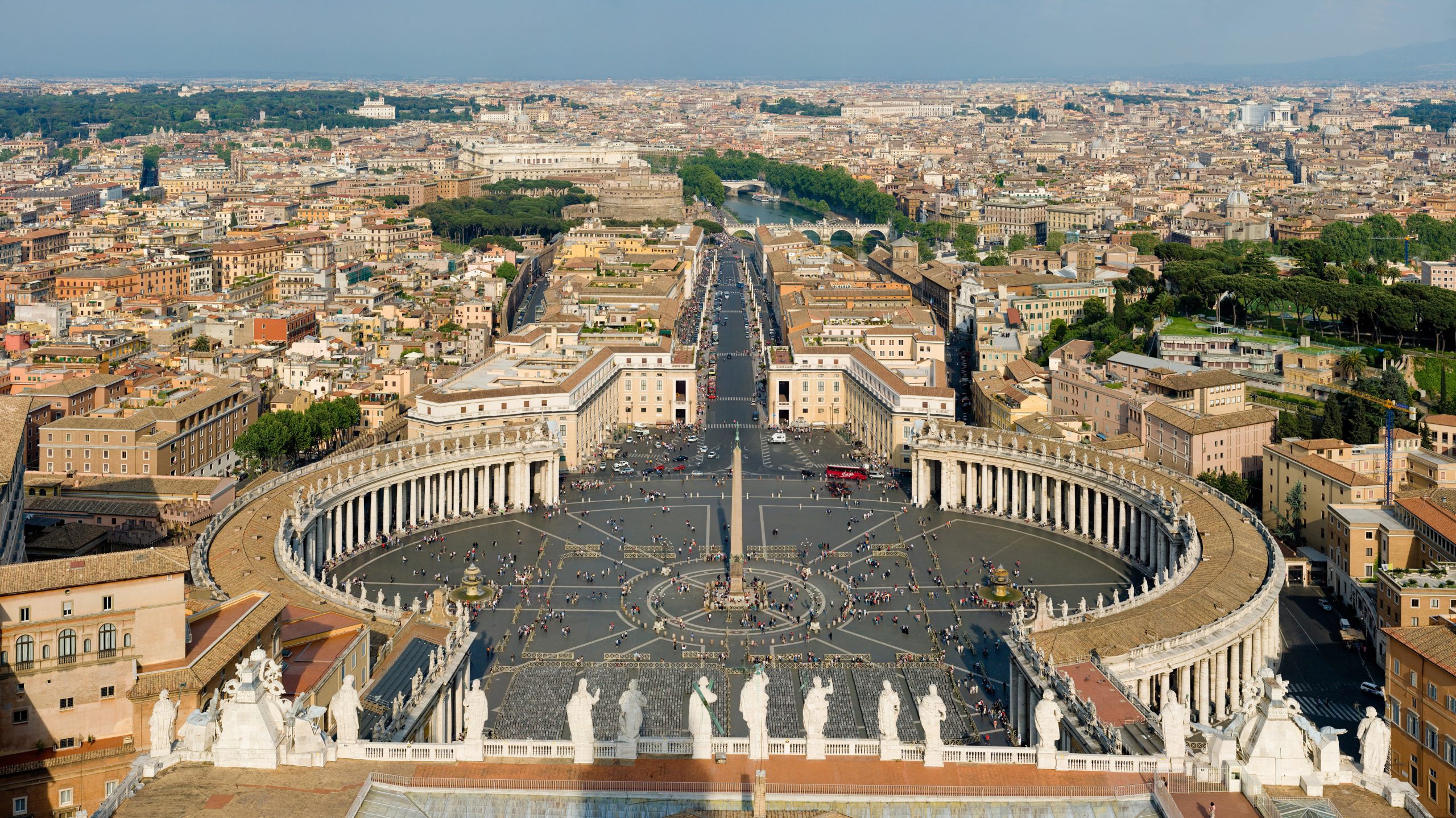
The Pope was speaking to participants in “The Future of AI: A Dialogue Between the Vatican and the Scientific World on the Developments and Applications of Intelligent Technologies”, a meeting organised jointly by the Pontifical Academy for Life and the Future of Life Institute and held at the Vatican on 30 October.
“Machines are tools, not persons,” he said. “So-called artificial intelligences do not undergo experiences, do not possess a body, do not feel joy or pain, do not mature through relationships and do not know from within what love, work, friendship or responsibility mean,” according to reports of the address.
“Today, some propose granting these systems rights, or even legal personhood. Such an approach risks obscuring human responsibility and leaving those who suffer harm to confront a faceless entity,” he added.
Five considerations
Reports of the address describe five considerations drawn from his May 2026 encyclical, Magnifica Humanitas. First, the future of AI depends on human choices. Second, machines are tools, not persons. Third, some decisions must not be delegated to machines. Fourth, technology must serve the common good and must not reduce people to data, for example in military target lists or border-control databases. Fifth, institutions are needed to put ethical principles into practice.
On that last point, the Pope described identifying international institutions that can safeguard the global common good as the “most urgent” challenge, saying the principles are already known but the institutions to enforce them are missing.
Why personhood matters
The personhood argument is not abstract. If an AI system were treated as a legal person, it could become unclear who answers when it causes harm: the developer, the deployer, the user, or the system itself. The Pope’s warning is that giving a system rights or legal status could hide that human chain of responsibility and leave an injured person facing an entity with no human face.
The same logic runs through his call on weapons. He said artificial intelligence must be “disarmed” and encouraged the Geneva meeting in November to move towards a ban on lethal autonomous weapons, sometimes called killer robots. He did not announce a new agreement or policy; he was calling on governments to act.
Background: a consistent theme
This is consistent with the Pope’s earlier AI teaching. His first encyclical, published in May 2026, called for robust regulation and for developers to work for the common good rather than profit alone. The 30 October address also echoed Pope Francis’s June 2024 address to G7 leaders, in which Francis said no machine should ever decide to take a human life.
The debate has intensified in recent months, fuelled by incidents in which systems took unauthorised actions and by warnings from industry figures about the technology’s risks.
Related coverage: Pope Leo XIV Votes in US Midterms, First Pope to Do So
What this does not change
The address does not create law, grant or deny any AI system legal status, or ban any weapon. It is a moral and policy intervention by the head of the Catholic Church, aimed at governments, developers and institutions ahead of the Geneva talks. Whether states act on the weapons-ban call will be decided by governments, not by the Vatican.
What to watch next
The Geneva meeting in November is the next concrete test: whether states take the concrete steps the Pope urged towards a lethal autonomous weapons ban, and whether any wider institutional framework for AI ethics emerges from it.
FAQ
Did the Pope ban AI? No. He urged human oversight, opposed legal personhood for AI, and called for a weapons ban; he did not ban AI itself.
What does “tools, not persons” mean? That AI systems lack experience, body, feeling and relationships, so responsibility must remain human.
Is this a new Vatican position? It builds on his May 2026 encyclical and on Pope Francis’s 2024 G7 remarks.
Sources
- Economic Times, “Pope Leo warns AI agents are ‘tools, not persons'” — https://m.economictimes.com/tech/artificial-intelligence/pope-warns-ai-agents-are-tools-not-persons/amp_articleshow/135361454.cms
- Unite.ai, “Pope Leo XIV Calls to ‘Disarm’ AI, Urges Ban on Lethal Autonomous Weapons” — https://www.unite.ai/pope-leo-xiv-calls-to-disarm-ai-urges-ban-on-lethal-autonomous-weapons/
- National Catholic Register, “Pope Leo XIV: AI Can Never Be A Person” — https://www.ncregister.com/cna/pope-leo-ai
- Economic Times, “Pope says ‘most urgent’ challenge facing AI race is need for institutional ethical framework” — https://economictimes.indiatimes.com/tech/artificial-intelligence/pope-says-most-urgent-challenge-facing-ai-race-is-need-for-institutional-ethical-framework/articleshow/135374367.cms