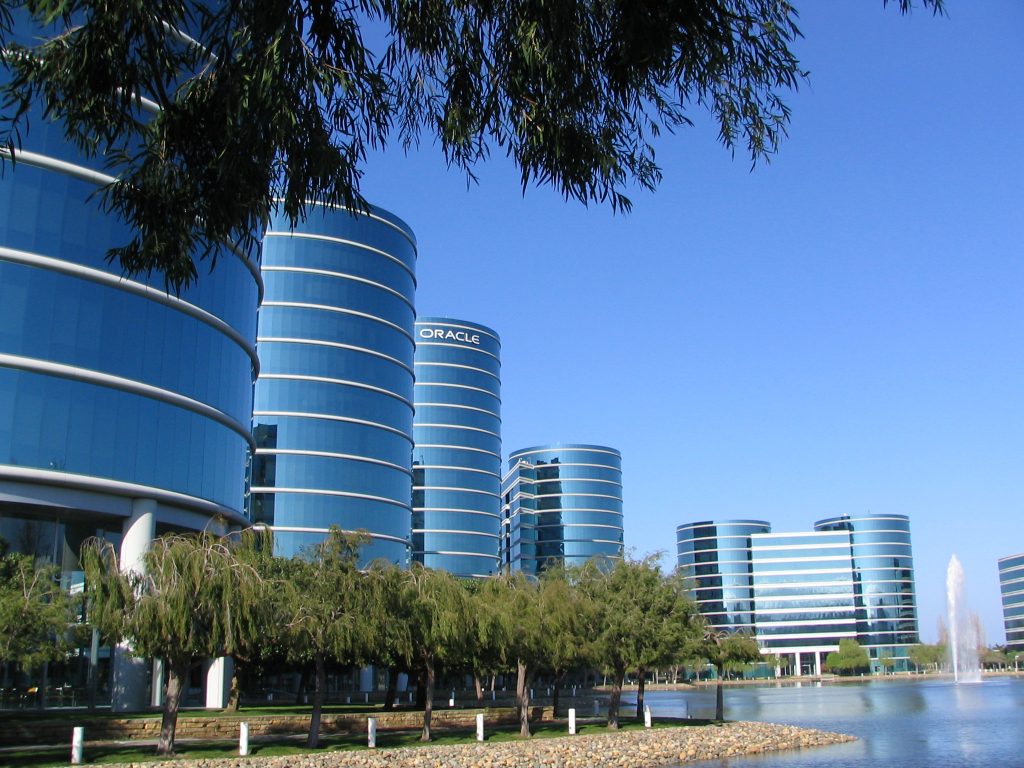
Oracle has cancelled a reported $7 billion deal to lease about 100,000 advanced artificial intelligence chips to China’s Tencent, after U.S. officials raised concerns about the arrangement, the Financial Times reported on Wednesday, November 4.
The cancellation, reported by the Financial Times and carried by Reuters, ends — at least for now — one of the largest known overseas AI-computing arrangements involving a Chinese technology company.

What the deal was
Last month, the Financial Times reported that Tencent had signed its largest-ever overseas lease deal: a five-year agreement with Oracle, worth an estimated $7 billion, to access about 100,000 advanced AI chips housed in Oracle data centres across Southeast Asia.
The chips were not available to Tencent in China, where U.S. export controls restrict direct sales of advanced AI processors. Leasing computing capacity overseas offered a route around those sales restrictions, because the hardware itself would remain outside China.
About 30 percent of the reported $7 billion value was to be paid upfront, according to the Financial Times account.
Why it was cancelled
According to the Financial Times, citing two people familiar with the matter, U.S. officials approached Oracle to raise concerns about the Tencent deal. Oracle then scrapped the contract after bowing to pressure from the Trump administration, Reuters reported, citing the Financial Times.
The report also says Tencent received visits from top officials in Guangdong province, where the company is based, who asked it to support domestic Chinese chips instead.
Reuters said it could not immediately verify the report, and that Oracle, Tencent and the White House did not respond to its requests for comment. That means the cancellation is, at this stage, a reported development attributed to the Financial Times’ sources — not a confirmed announcement by either company.
Why this deal mattered
The arrangement sat at the centre of one of the biggest unresolved questions in U.S.-China technology policy: whether Chinese companies should be able to rent advanced computing power abroad when they cannot buy the chips outright.
For Oracle, the deal would have been a major cloud-computing win. For Tencent, one of China’s largest technology groups, it would have secured large-scale AI capacity for training models and running AI services at a time when domestic chip supply remains constrained.
Its cancellation signals that Washington is willing to intervene even in overseas leasing arrangements, not just direct chip sales — a shift that could affect how other cloud providers structure deals with Chinese customers.

What happens next
Neither company has publicly confirmed the cancellation, so the next step to watch is any statement from Oracle or Tencent, and whether U.S. officials set out a formal policy on overseas chip leasing. Until then, the reported terms — $7 billion, five years, about 100,000 chips, Southeast Asian data centres — should be read as reported figures, not company-confirmed facts.
The episode also raises a question for China’s domestic chip industry: whether pressure from Beijing to use home-grown processors, combined with tighter U.S. scrutiny of overseas leases, accelerates investment in Chinese-made AI chips.
Frequently asked questions
Did Oracle cancel the Tencent chip deal?
The Financial Times reports that it did, citing people familiar with the matter. Oracle and Tencent have not publicly confirmed it, and Reuters said it could not immediately verify the report.
How big was the deal?
A reported five-year lease worth about $7 billion, covering about 100,000 advanced AI chips in Oracle data centres in Southeast Asia, with about 30 percent payable upfront.
Why did U.S. officials object?
According to the Financial Times, U.S. officials approached Oracle with concerns about giving Tencent access to advanced chips that are not available in China because of export curbs.
Does this mean Tencent loses all access to advanced AI chips?
No. The report concerns this specific Oracle lease. Tencent’s wider computing arrangements and domestic chip options are separate and are not described in the report.
Sources
Reuters: “Oracle abandons $7 billion Tencent AI deal under Trump pressure, FT reports” — https://www.reuters.com/world/china/oracle-abandons-7-billion-tencent-ai-deal-under-trump-pressure-ft-reports-2026-11-04/
The Hindu BusinessLine: “Oracle cancels $7 billion chip leasing deal with China’s Tencent, FT reports” — https://www.thehindubusinessline.com/info-tech/oracle-cancels-7-billion-chip-leasing-deal-with-chinas-tencent-ft-reports/article71664185.ece
TradingView / Seeking Alpha (Reuters copy): “Oracle cancels $7B AI chip lease with Tencent amid US concerns: FT” — https://www.tradingview.com/news/seekingalpha:e51e68f4d094b:0-oracle-cancels-7b-ai-chip-lease-with-tencent-amid-us-concerns-ft/
Internal links: Apple warns AI agents could act without authorisation in SEC filing.