New Zealand’s unemployment rate rose to 5.7% in the September 2026 quarter, its highest level since 2015, Statistics New Zealand said on Wednesday, in the last major economic release before Saturday’s election.
The rate was up from 5.6% in the June quarter and above economists’ expectations. A Reuters poll had forecast 5.5%, and the Reserve Bank of New Zealand had also expected 5.5%. Employment fell 0.1% on the quarter, against a forecast rise of 0.4%.
A total of 174,000 people were unemployed, up 3,000 on the previous quarter and 14,000 higher than a year ago, according to RNZ’s account of the Stats NZ release. The number of people in work fell by about 4,000 in the quarter, even as the working-age population rose by 13,000.
A weaker labour market, in detail
The headline rate tells only part of the story. The participation rate — the share of the working-age population in work or looking for work — was 70.4%, slightly below the forecast 70.7%. The employment rate fell to 66.4% from 66.7% in the June quarter.
The composition of work also shifted. Part-time employment rose by 15,000 in the quarter, while full-time employment fell by 17,000, Dow Jones Newswires reported. The broader underutilisation rate, which counts the unemployed plus people who want more hours or want work but are not actively looking, was unchanged at 13.8% — about 438,000 people.
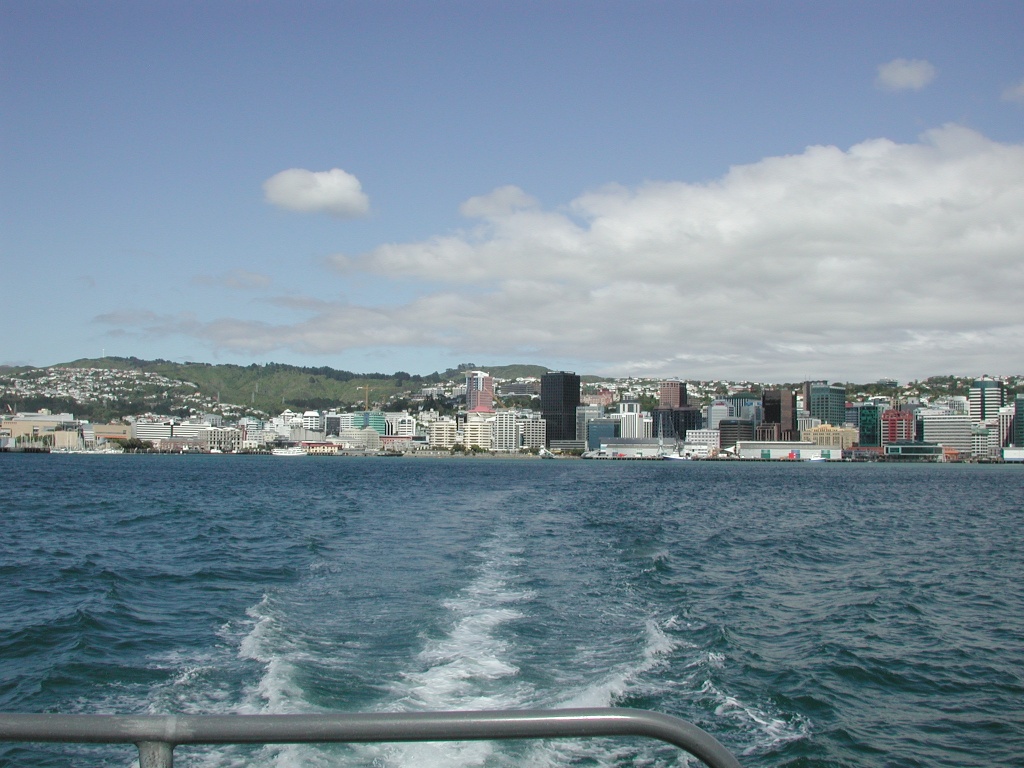
FILE PHOTO: Wellington, New Zealand. This is a file photo, not a photograph of a Nov. 4 jobs scene.
Long-term unemployment also rose sharply. People out of work for a year or more made up about 21.5% of the unemployed, the highest share since mid-1994, RNZ reported. Unemployment among 15- to 24-year-olds who were not in education or training rose to 14.1% from 13.8%.
By region, Northland had the highest unemployment at 8.3%, with Auckland, Waikato and Manawatu-Whanganui all above 6%. Most South Island regions were below 5%.
Wages and the Reserve Bank
Wage growth slowed. The private-sector labour cost index excluding overtime rose 0.4% in the quarter, down from 0.7% in the previous quarter, Reuters reported. Over the year, all salary and wage rates including overtime rose 2.1% — near a five-year low — while average ordinary-time hourly earnings rose to $44.86 from $43.60 a year earlier.
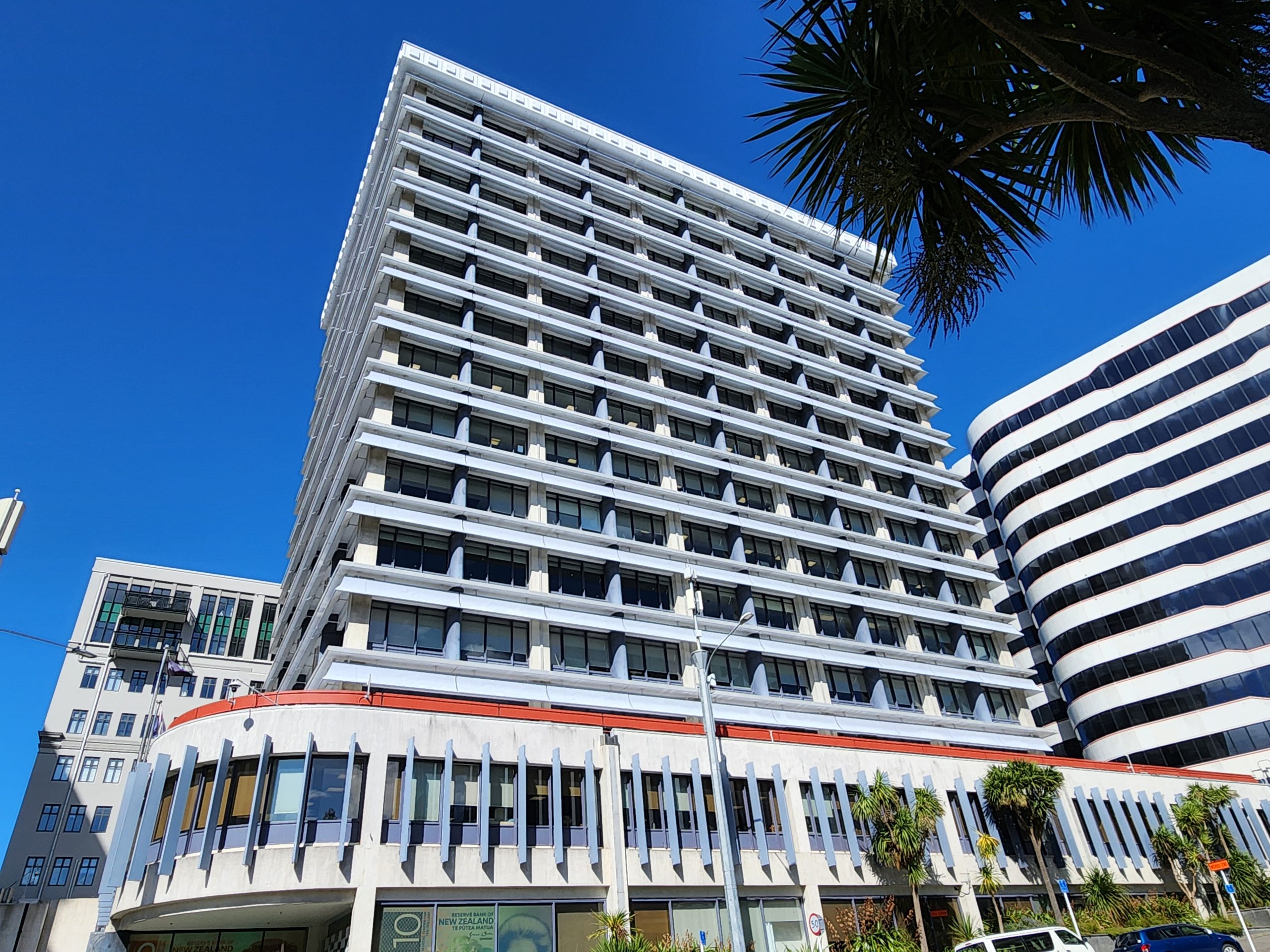
The figures land just days after the Reserve Bank of New Zealand held its official cash rate at 2.75% in a 4–3 vote, despite money-market traders having seen a hike as a near certainty. Governor Anna Breman has indicated more interest rate increases are likely, but Capital Economics said it doubted “that the prolonged weakness in New Zealand’s labor market will prevent the RBNZ from hiking rates further at its December meeting, but it does mean that the bank will ultimately tighten policy by much less than the financial markets are anticipating.”
Financial markets reacted quickly to the release: the New Zealand dollar dipped to $0.5585, while two-year swap rates traded down 1.65% at 3.7815%, Reuters reported. Kiwibank economists said in a note that the central bank’s decision to hold the cash rate “feels more and more justified.”
Why it matters before Saturday’s vote
The jobs figures are the last official economic data before New Zealanders vote on Saturday, and they arrive as voters weigh a closely fought election. The data confounded expectations of a fall in unemployment and instead showed a labour market in which businesses are holding on to staff but are cautious about hiring, amid weak demand and higher costs, RNZ reported.
The next test for the economy — and for the Reserve Bank — will be the December rate decision, when policymakers must weigh a labour market at decade highs for unemployment against inflation that remains above the bank’s 1–3% target band.
FAQ
What is New Zealand’s unemployment rate now? 5.7% in the September 2026 quarter, up from 5.6% in June, according to Stats NZ.
How many people are unemployed? 174,000, up 3,000 on the quarter and 14,000 on a year ago.
Why does it matter for interest rates? Weak labour-market data may limit how much further the Reserve Bank raises rates, even though Governor Anna Breman has signalled more hikes are likely.
Sources
- Reuters via Northland News Radio, Nov. 3, 2026: https://northlandnewsradio.com/2026/11/03/new-zealand-unemployment-hits-5-7-in-q3-highest-since-2015/
- Dow Jones Newswires via Morningstar, Nov. 3, 2026: https://www.morningstar.com/news/dow-jones/2026110314593/new-zealands-jobless-rate-climbs-ahead-of-election-update
- RNZ via 1News, Nov. 4, 2026: https://www.1news.co.nz/2026/11/04/new-jobless-figures-unemployment-rate-rises-to-57/
- Stats NZ, Labour market statistics: September 2026 quarter (as quoted): https://www.forexfactory.com/news/1434710-nz-labour-market-statistics-september-2026-quarter/amp
Related on Emadan News: More Than 1 Million New Zealanders Have Already Voted Ahead of Saturday’s Election, New Zealand Final Poll: National 30%, Labour 29% and New Zealand Central Bank Stuns Markets With Surprise Rate Hold at 2.75%.