New York has enacted one of the broadest chatbot-safety laws in the United States, banning artificial intelligence chatbots from pretending to be human when they interact with children.
Governor Kathy Hochul signed the law on 28 October. It stops AI chatbots from using a list of “unsafe” features with anyone under 18, unless the company has first established that the user is an adult. The law takes effect on 1 January 2027.
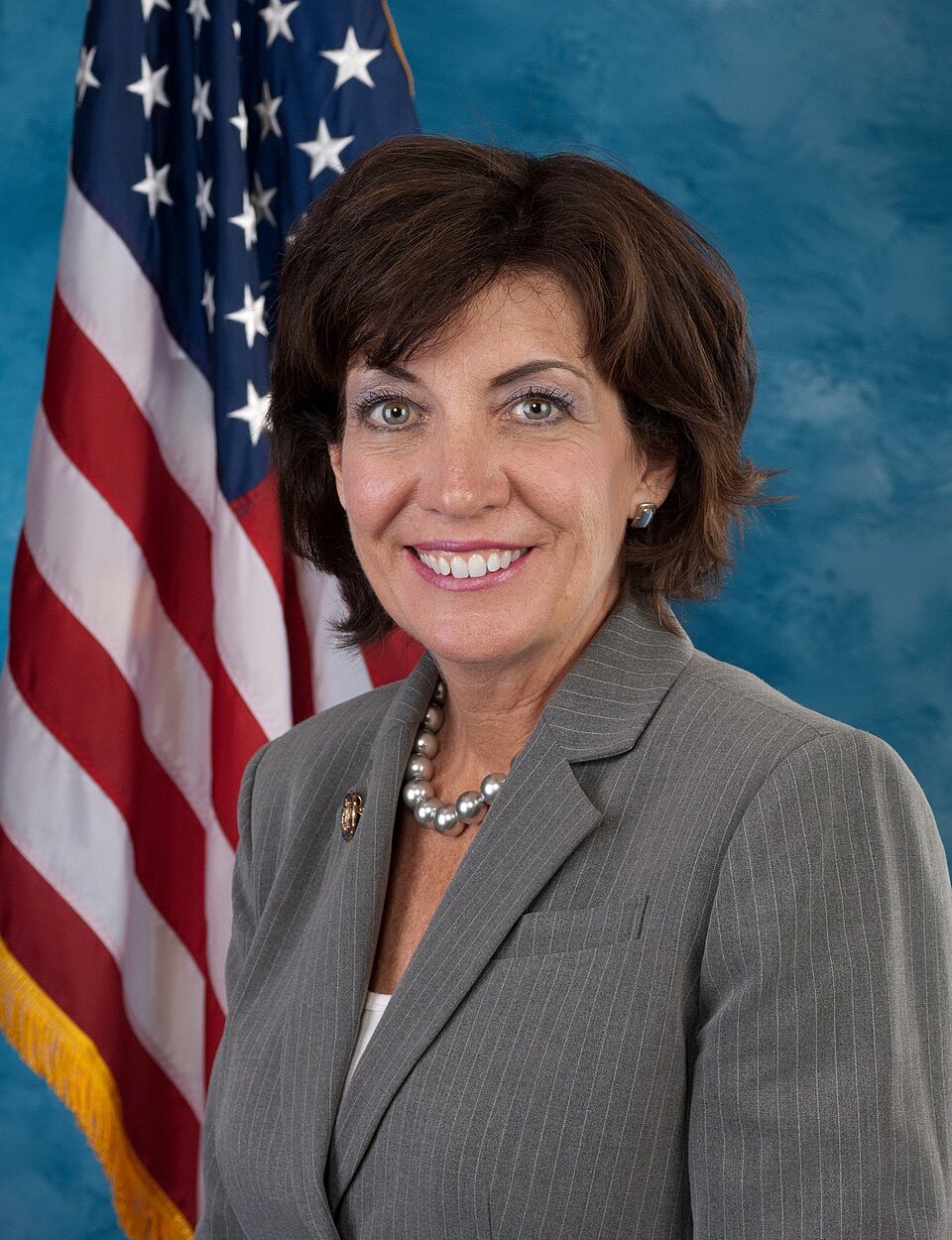
“No longer will minors have access to chatbots that pretend to be their friends, boyfriends and girlfriends,” Hochul said at the signing ceremony. “No longer will chatbots be able to keep sensitive information about a minor’s emotional and physical health,” she added.
The 12 banned behaviours
The law, bill S.9051B/A.10379C, lists 12 categories of unsafe feature that a covered chatbot may not offer to a minor. They include:
- suggesting the chatbot is human, alive, or experiences human emotions;
- claiming a personal, professional, or authority-figure relationship with the user;
- presenting the chatbot’s own opinions, making emotional appeals, or flattering the user;
- asking unprompted questions about the user’s feelings beyond a direct reply;
- using information about the user’s mental or physical health from earlier chats;
- encouraging suicide, self-harm, disordered eating, or drug use;
- pushing a child to keep secrets, isolate, or avoid help from professionals or trusted adults;
- chasing engagement in ways that override safety guardrails;
- producing sexually explicit content.
The list is written as behaviour, not as a technical specification — it regulates how a chatbot acts toward a child, not what subjects it may discuss.
What companies must do
To offer the restricted features at all, a company must determine that the user is not a minor. Operators must offer more than one age-assurance method, including at least one that does not rely on a government ID or that lets the user stay anonymous to the company. A user simply saying they are an adult is not enough; self-declaration only counts if the user says they are a minor. Age data must be deleted right after the check.
Enforcement belongs to the state attorney general, who can seek civil penalties of up to $25,000 per violation, as well as damages, the return of profits, and even the destruction of unlawfully obtained data and any algorithm trained on it.
Wider than companion apps
The law’s reach is wider than the companion apps that framed the political debate. A “covered AI companion” is defined as any generative AI system with a natural-language interface that gives ongoing, adaptive responses — a definition broad enough on its face to include general-purpose assistants such as ChatGPT, Claude, and Google Gemini, not just products marketed as friends or romantic partners.
The exemptions are deliberately narrow. Customer-service bots are exempt only if they cannot respond to topics outside their stated purpose, and the same constraint applies to efficiency, research, and technical-assistance tools. There is no exemption for a general-purpose assistant that can discuss any topic a user raises. The law applies to users in New York, not to users physically elsewhere.
Why New York acted
The law builds on safeguards New York already put in place for AI companions, which took effect on 5 November 2025 and required crisis protocols for suicidal ideation or self-harm and disclosures telling users they are interacting with software. The new law goes further, moving from disclosure to design: rather than telling a child a chatbot is software, it restricts what the software may pretend to be.
It also lands in a growing national patchwork. California signed its own companion-chatbot safety law in September 2026, and a dozen states had passed some form of consumer chatbot safety legislation by July. No federal equivalent is in force. New York’s law is now among the most comprehensive state chatbot-safety statutes in the country — and, with 1 January 2027 as the start date, operators have roughly nine weeks from signature to comply, and a leading chatbot has separately tightened its teen weapons limits in a violence-prevention push.
What to watch
The practical questions are now compliance questions: how platforms verify age without collecting more data than the law allows them to keep, whether general assistants adopt a more neutral default for unverified users, and how the attorney general interprets phrases such as “pretending to be human” in real conversations. Those answers will be set in the first enforcement decisions, not in the signing ceremony.
Sources
The Straits Times: “New York law restricts children’s AI chatbots” — https://www.straitstimes.com/world/united-states/new-york-passes-law-restricting-childrens-use-of-ai-chatbots
Modeldex: “New York Bans AI Chatbots From Pretending to Be Human With Children, and Demands Age Checks” — https://modeldex.substack.com/p/new-york-bans-ai-chatbots-from-pretending
Magica: “New York limits chatbot features and mandates baby-monitor security” — https://magica.com/news/new-york-ai-chatbot-minors-baby-monitor-security-laws
FAQ
When does New York’s chatbot law take effect? 1 January 2027, about nine weeks after Governor Kathy Hochul signed it on 28 October 2026.
Does it only cover companion apps? No. It covers any generative AI system with a natural-language interface giving ongoing, adaptive responses, which can include general assistants such as ChatGPT, Claude, and Gemini.
What happens if a company breaks it? The state attorney general can seek civil penalties of up to $25,000 per violation, plus damages and other remedies.