
Two men suspected of involvement in the jewel heist at the Louvre Museum in Paris have been placed under formal investigation and remanded in custody, French broadcaster BFMTV reported on Wednesday evening, after the pair “partially admitted” their involvement to prosecutors.

Paris Prosecutor Laure Beccuau had said earlier on Wednesday that the two suspects, both in their 30s, had been detained on Saturday evening and had partially admitted involvement in the crime. The stolen jewels remain missing.
The two men are suspected of being the pair who broke into the museum’s Apollo Gallery, while two accomplices waited outside, according to prosecutors. Four thieves were identified on surveillance footage. Beccuau said investigators had not ruled out a wider network beyond those four, or “a broader level involving a backer or individuals who may have been intended recipients” — but said nothing pointed to any complicity inside the museum.
Who the suspects are, according to prosecutors
One suspect is a 34-year-old Algerian national living in France, who was identified by DNA traces found on one of the scooters used to flee the heist. He was arrested at Paris Charles de Gaulle Airport as he attempted to board a flight to Algeria, with no return ticket, prosecutors said.
The second suspect is a 39-year-old unlicensed taxi driver from Aubervilliers, a suburb north of Paris. He was apprehended shortly after the first arrest, near his home, and prosecutors said there was no evidence to suggest he was planning to go abroad. His DNA was reported found on a glass display case and on items abandoned at the scene. Both men were known to police for previous thefts, prosecutors said.
The men were to be brought before magistrates with a view to charging them with organised theft, which carries a 15-year prison sentence, and criminal conspiracy, punishable by 10 years, Beccuau told a press conference. Under the French system, being placed under formal investigation is a formal step in the judicial inquiry; it is not a conviction, and the suspects are presumed innocent unless and until found guilty.
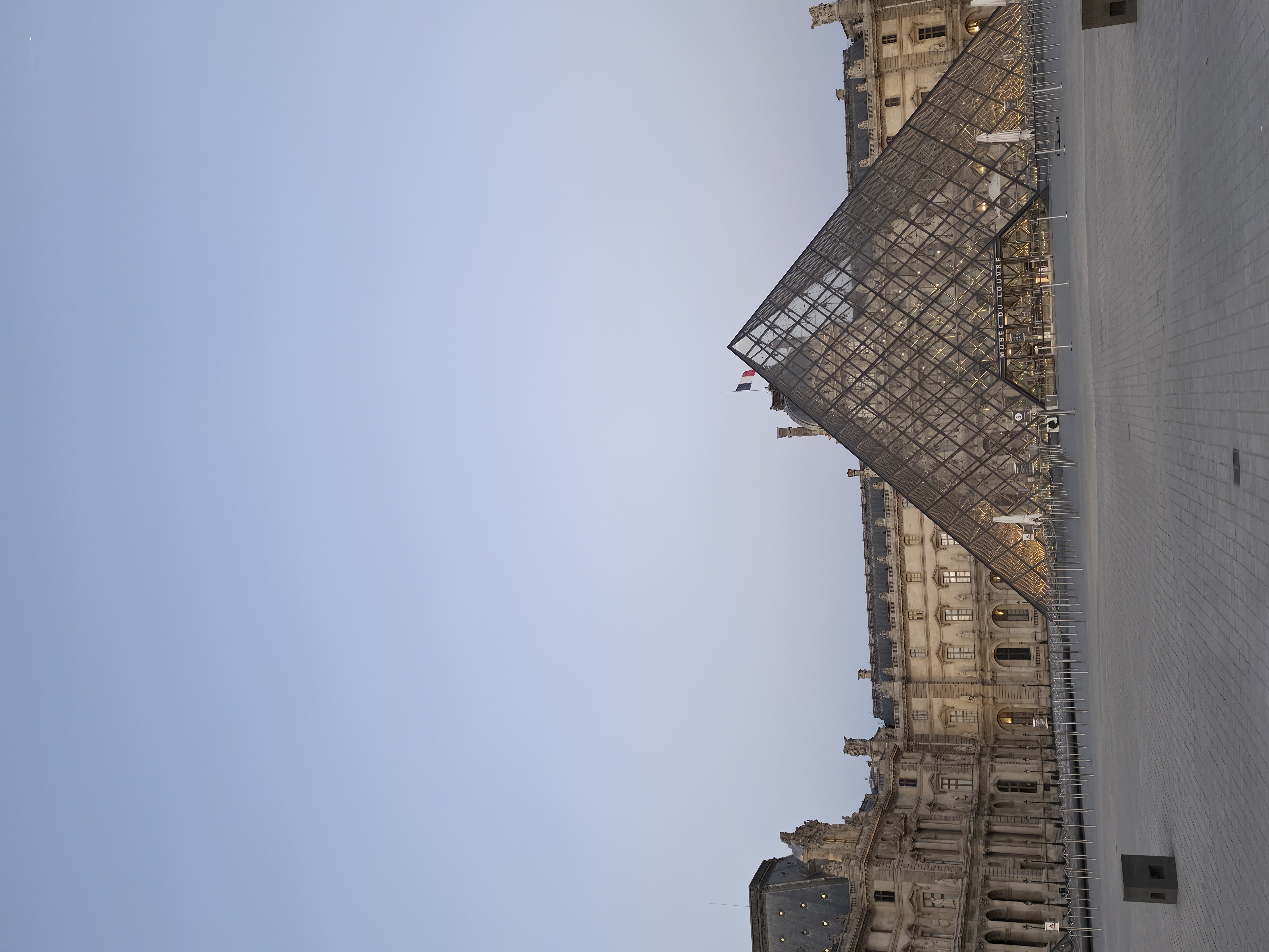
The heist
On the morning of October 19, thieves used a truck fitted with a lifting platform to reach a first-floor gallery window at the Louvre, forced it open, smashed display cases with cutting tools and fled with eight pieces of the French crown jewels, valued at about 88 million euros (about $102 million). The whole break-in lasted only a few minutes, in broad daylight.
The thieves dropped a diamond- and emerald-studded crown that once belonged to Empress Eugenie, wife of Napoleon III, as they escaped. It was recovered but, according to the Louvre’s director, was crushed as it was extracted from its case and will be delicate to restore. The eight pieces taken include an emerald-and-diamond necklace that Napoleon I gave his second wife, Empress Marie-Louise, and a diadem that once belonged to the Empress Eugenie, dotted with nearly 2,000 diamonds.
More than 100 investigators have been mobilised on the case, and Beccuau said more than 150 forensic examinations had been carried out “with the utmost urgency”, alongside DNA samples, fingerprints and other traces. Security cameras allowed detectives to track the thieves in Paris and surrounding districts, she said. The museum reopened three days after the heist.
Jewels still missing — and the security debate
“I want to maintain hope that they will be recovered,” Beccuau said of the jewels, adding that she wanted them returned to the Louvre “and more broadly to the nation”. No evidence has emerged that the robbery was an inside job, she said, and investigators have warned that premature leaks of information could hinder the work of recovering the jewels and apprehending all perpetrators.
The heist has already sparked a debate in France about the security of cultural institutions. The Louvre’s director, Laurence des Cars, has acknowledged a “terrible failure” in security and said cameras did not adequately cover the thieves’ point of entry, while defending a multi-million-euro plan to increase security at the museum. Less than 24 hours after the Louvre break-in, a museum in eastern France reported the theft of gold and silver coins from a smashed display case.
For now, the investigation’s central questions remain open: where the eight missing pieces are, whether anyone beyond the four people seen on camera was involved, and whether the two men now in custody will face trial on the organised-theft and conspiracy charges prosecutors have outlined. The formal investigation is the next stage in answering them — not the end of the case.

What is alleged, and what is not proven
All claims about the suspects’ roles, the DNA findings and the partial admissions come from prosecutors and police reporting, and are attributed as such in this article. No trial has taken place, no verdict has been reached, and the jewels have not been recovered. Any suggestion that the suspects have been convicted would be wrong.
FAQ
Have the Louvre jewels been found? No. Prosecutors say the stolen pieces remain missing; only the dropped Eugenie crown was recovered.
What are the two suspects accused of? They are suspected of being the two who entered the Apollo Gallery, and face organised theft and criminal conspiracy charges in the formal investigation.
Were there only two thieves? No — surveillance footage identified four people, with two suspected of entering the gallery and two waiting outside. Prosecutors have not ruled out a wider network.
Sources
- Xinhua, “2 suspects in Louvre heist placed under formal investigation” — https://english.news.cn/20251030/e652a637ac4a491bad475557518030da/c.html
- Channel News Asia (agencies), “France to charge Louvre heist suspects with theft and conspiracy” — https://www.channelnewsasia.com/world/france-charge-louvre-heist-suspects-theft-and-conspiracy-5433231
- Tuoi Tre (AFP reporting), “France arrests five new suspects over Louvre heist: prosecutor” — https://news.tuoitre.vn/print/france-arrests-five-new-suspects-over-louvre-heist-prosecutor-10325103019504542.htm