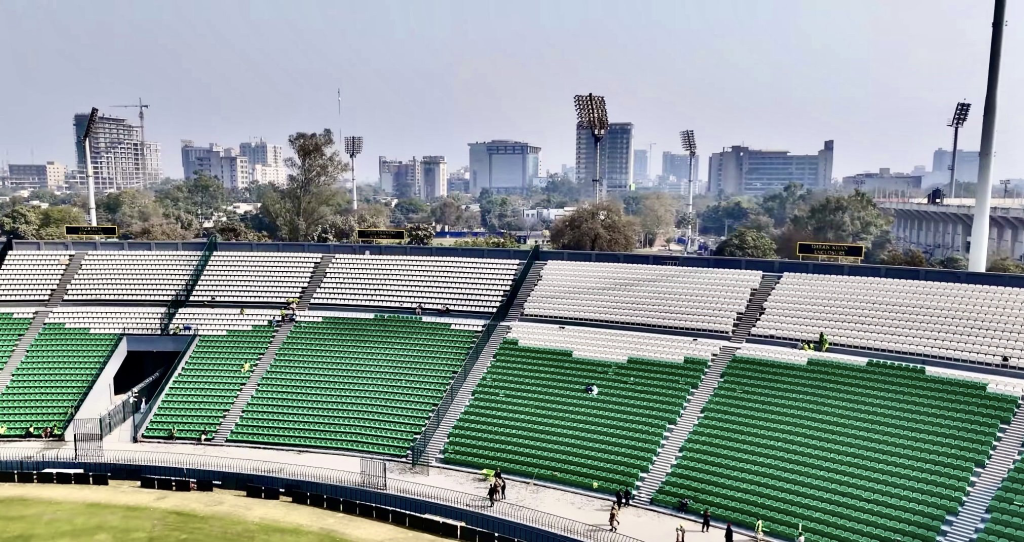
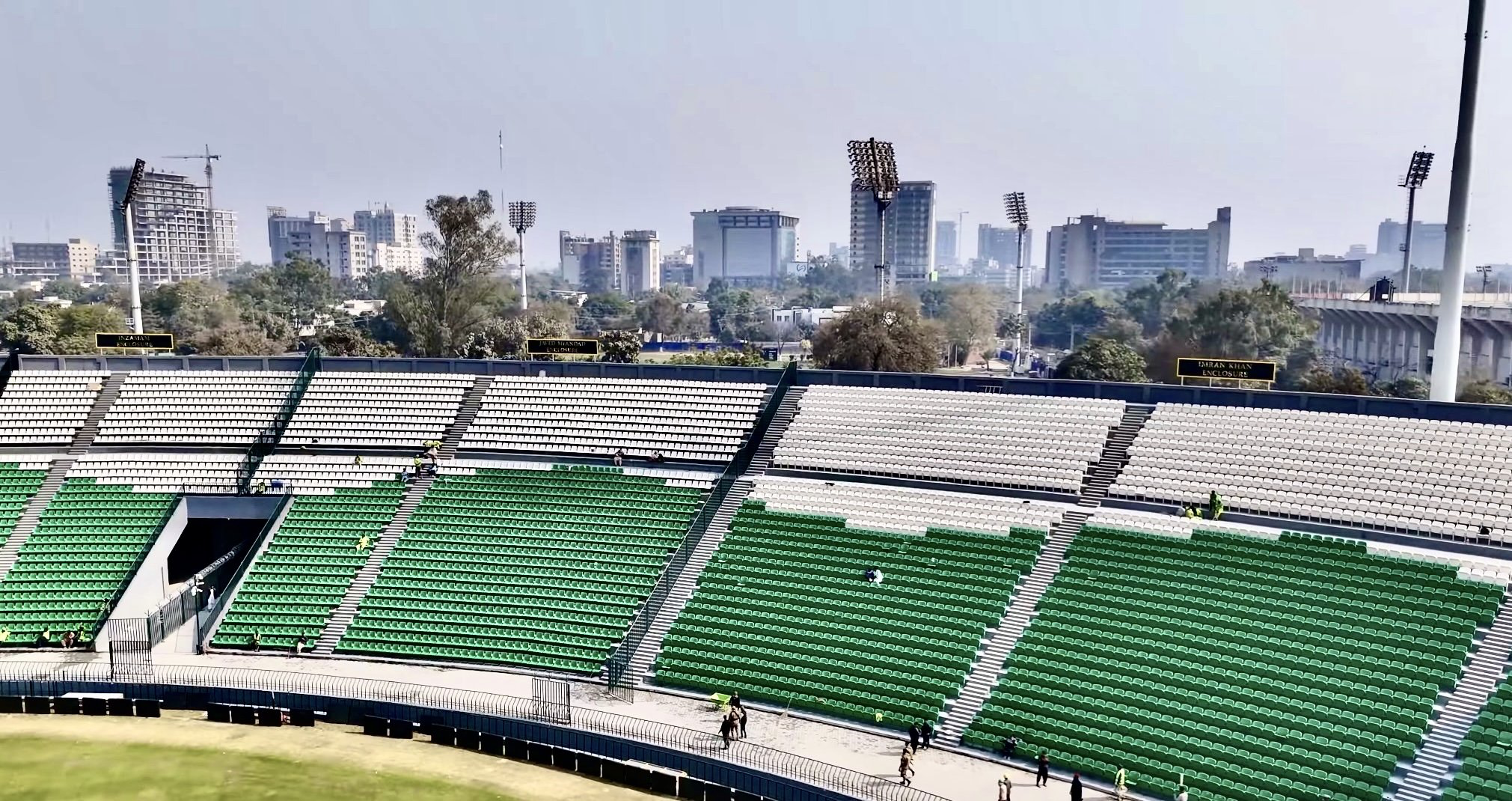
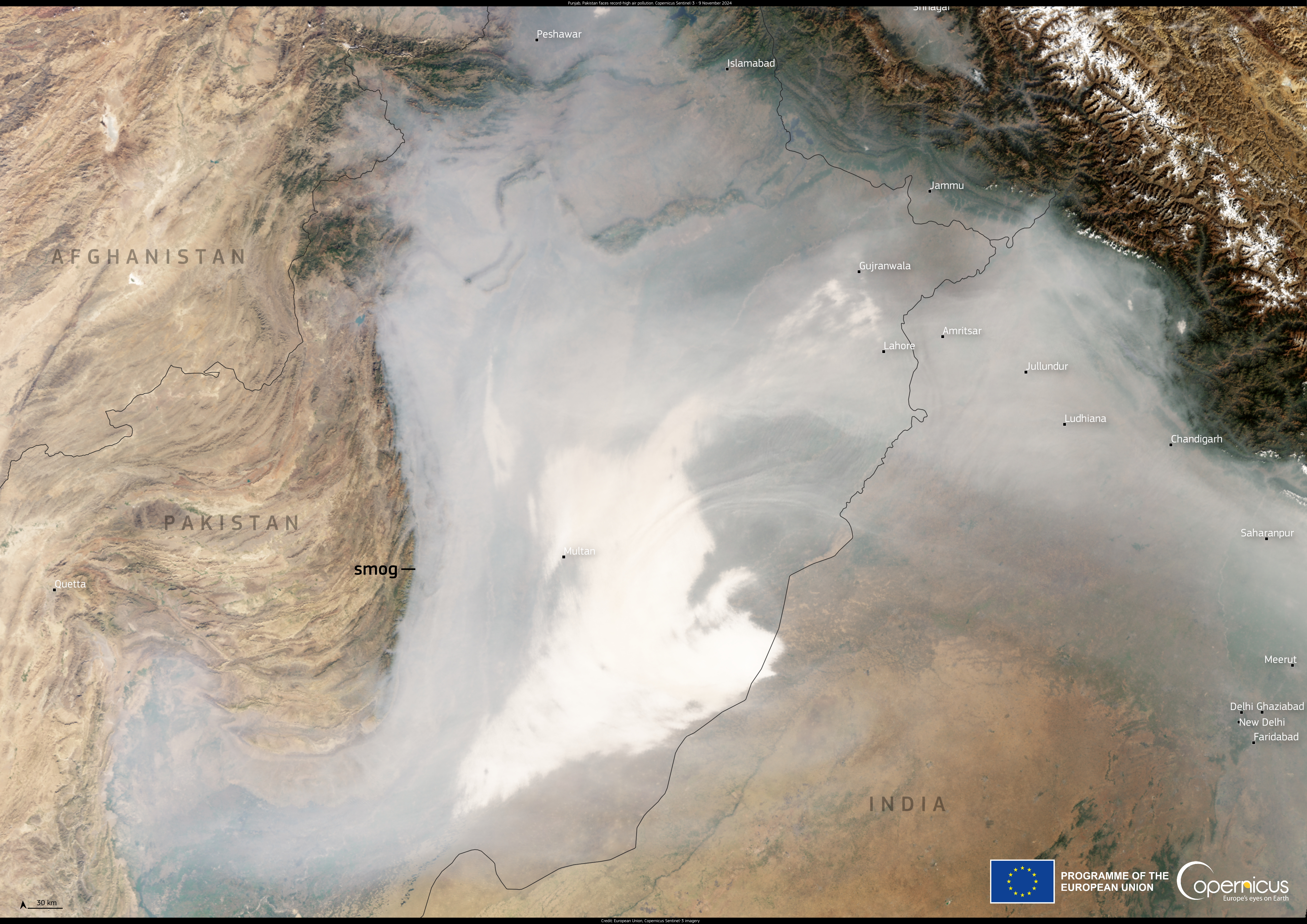
Lahore was ranked the world’s most polluted major city on Monday, November 2, 2026, as hazardous smog settled over Punjab, with the city’s Air Quality Index (AQI) crossing 530 in IQAir’s live ranking and fine particulate matter (PM2.5) reaching 343 micrograms per cubic metre.
The Monday readings — a snapshot, not a single fixed figure
Readings change by the hour, so figures must be read as snapshots. IANS, citing IQAir’s global ranking from 9 a.m. to 10 a.m. on Monday, put Lahore first at 530, followed by Cairo at 226, with Gujranwala at 475, Faisalabad at 435, Multan at 280 and Sialkot at 241. The Thursday Times, citing IQAir at 8 a.m., put Lahore at 535 with PM2.5 at 343 µg/m³, against Pakistan’s permissible limit of 35 µg/m³. In a separate hourly update, Gujranwala reached 675 and Lahore 509. Do not present any one hourly figure as the all-day average.
Why the smog is so bad now
The spike follows a sharp rise in crop burning. NASA satellites detected 13,241 fire spots in Punjab between October 1 and 29, about 92 per cent of them on farmland, according to an analysis by HamariHawa cited by The Thursday Times, with around half in the last seven days of October. Weak winds and cold-air inversions trap smoke close to the ground, along with emissions from vehicles and industry. Dawn reports five Punjab cities were among Pakistan’s six most polluted urban centres on Monday morning.
The longer picture
This is a recurring seasonal crisis, not a one-day event. The Pakistan Air Quality Initiative (PAQI) found Lahore’s PM2.5 in October 2026 was lower than a year earlier, but said much of that was down to weather, with only about a 4 per cent improvement after accounting for weather, and levels above the national limit on all 30 days it reported. IANS, citing PAQI, reports air pollution cuts life expectancy in Pakistan by an estimated 3.9 years and contributes to around 128,000 premature deaths each year. Lahore’s annual average PM2.5 is more than 110 µg/m³, over 22 times the World Health Organization’s annual guideline of 5 µg/m³. Transport is the largest source of primary PM2.5 in Lahore, followed by industry at 28 per cent and brick kilns at 17 per cent, The Express Tribune reported via IANS.
What it means for residents
PM2.5 particles can reach deep into the lungs and enter the bloodstream. AQI above 300 is in the hazardous band. Children, older people and people with respiratory conditions face the greatest risk. Residents are generally advised to limit outdoor exertion during hazardous smog, keep windows closed where possible, and follow local health guidance.
FAQ
Is 530 the all-day average? No — it is a live hourly snapshot from IQAir’s ranking on Monday morning; readings varied through the day.
Why is Lahore so polluted in November? A mix of crop-burning smoke, vehicle and industrial emissions, and weather that traps pollution near the ground.
Is this an annual ranking? No — IQAir’s live ranking compares hourly readings from major cities and changes through the day.
Sources
- Dawn — https://www.dawn.com/news/2041584
- The Hans India (IANS) — https://www.thehansindia.com/news/international/pakistans-lahore-ranked-worlds-most-polluted-city-1138520
- The Thursday Times — https://thursdaytimes.com/2026/11/02/news/national/lahores-air-quality-index-crosses-530-and-gujranwala-hits-675-as-hazardous-smog-spreads-across-punjab/
- The Nation — https://www.nation.com.pk/02-Nov-2026/lahore-tops-world-s-polluted-cities-list-aqi-crosses-500