The localised ceasefire in Ukraine’s Kherson region expired on Sunday evening with neither side announcing an extension, ending the longest truce of the war and leaving civilians in the frontline city of Oleshky without a humanitarian corridor.
The pause, brokered with the help of US First Lady Melania Trump, began early on Tuesday and allowed besieged residents of Russian-occupied Oleshky to be evacuated in a rare joint operation that ended on Saturday. The White House said Mrs Trump helped broker the limited truce, and Pope Leo XIV had also called for a halt to fire around Oleshky.
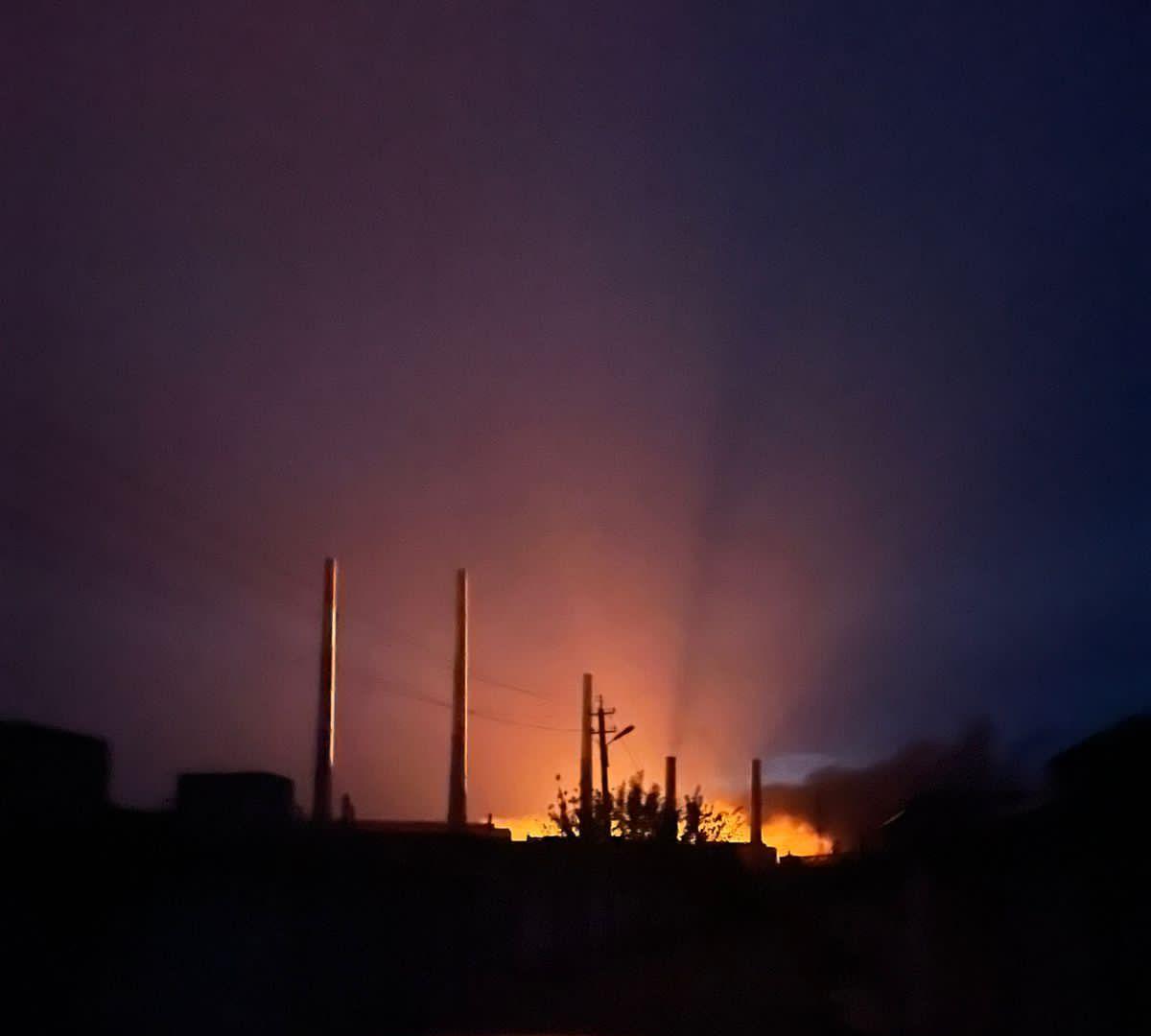
As the ceasefire was due to end at 22:59 Ukrainian time (21:00 GMT) on Sunday, Russian strikes on energy infrastructure elsewhere in Ukraine left hundreds of thousands of households without power, according to President Volodymyr Zelenskyy.
Strikes on energy sites
Zelenskyy said energy infrastructure in the Dnipro, Vinnytsia, Zhytomyr and Khmelnytskyi regions was hit overnight on Saturday into Sunday. “Substations, transformers, and power lines that supply electricity to our people’s homes were targeted,” he said in a social media post.
“As of now, hundreds of thousands of families remain without power,” he added, describing the intensity of Russian strikes over the past week as “extremely high” and saying Russia was trying to take maximum advantage of Ukraine’s shortage of ballistic missile interceptors.
Another overnight strike killed two people, including a 13-year-old girl, in the Vinnytsia region, Ukraine’s State Emergency Service said. Repair crews worked through Sunday; most customers in the Dnipropetrovsk region had power restored by early evening, but more than 60,000 were still without power, the regional governor said.
Emergency power cuts have been introduced across the country, and in Kyiv electricity is cut off for most of the day, with water supplies also disrupted. Ukraine also struck a major missile fuel producer in Russia’s Rostov region, causing a fire and damaging four production facilities, Zelenskyy said.
What the truce achieved
The Kherson ceasefire was the most significant truce between Kyiv and Moscow since Russia’s full-scale invasion in February 2022. It was originally confined to Oleshky, which has been occupied by Russia since the first days of the invasion, and was soon expanded across the wider Kherson region.
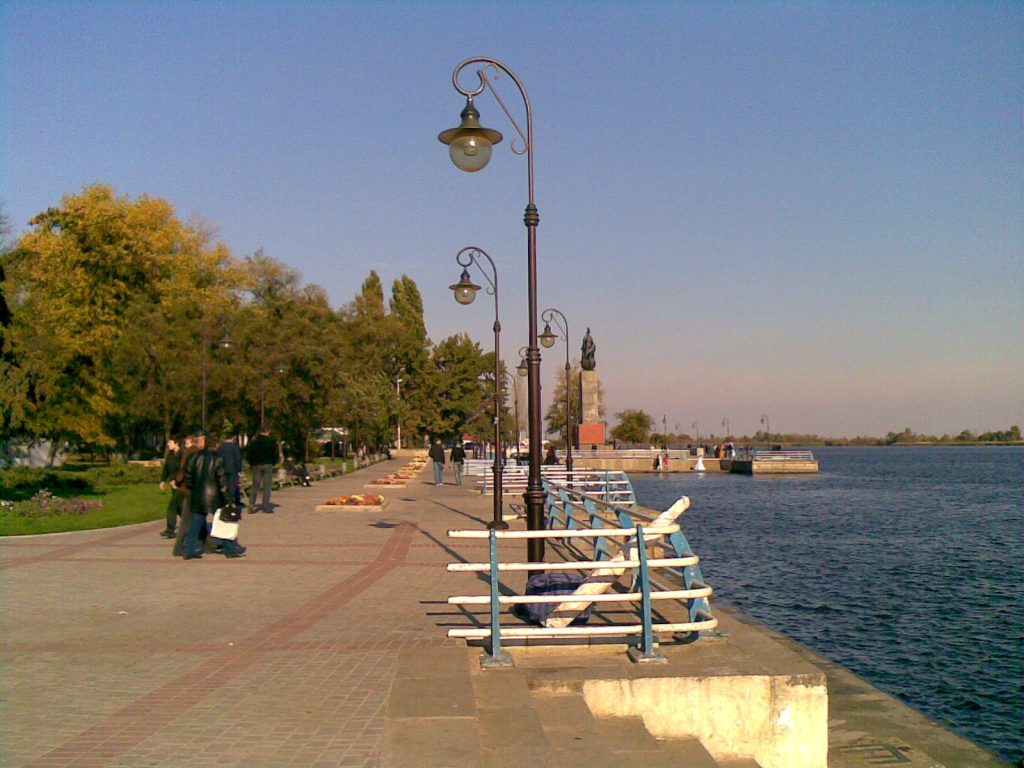
Oleshky’s residents had been trapped between the Dnipro river and Russian forces, with routes out mined and subject to drone attack, and were suffering shortages of food, water and electricity. An estimated 2,000 civilians were in the city when the truce took hold, and they were offered the choice of evacuating to Ukrainian- or Russian-controlled territory, or remaining with replenished food and medical supplies.
Ukraine’s human rights ombudsman, Dmytro Lubinets, said evacuees included a one-year-old baby and a 94-year-old resident, and that pets including dogs, cats, a parrot and a raccoon were brought out. The arrival of evacuees was covered in Emadan’s earlier report on the Oleshky evacuation, and the start of the pause in Emadan’s report on the ceasefire taking effect.
For the safety of those who stayed, exact evacuation numbers were not released. One Ukrainian lawmaker called the pause the “biggest de-escalation since 2022”, while military officials warned that Russian forces used the quiet period to bring in fresh troops and ammunition.
What happens next
With no extension announced, residents of Kherson city remained calm on Sunday despite knowing the quiet would soon end, according to BBC reporting from the city. Analysts and local officers expect heavier fighting now that the regional pause has lapsed.
US-mediated talks between Russia and Ukraine are scheduled to resume this month, after freezing following joint US-Israeli strikes on Iran in February. For now, the humanitarian mission to Oleshky stands as the main practical result of the pause — and the estimated 2,000 people who were in the city when it began face an uncertain winter without a corridor out.
Frequently asked questions
What was the Kherson ceasefire? A localised pause in fighting limited to the Kherson region, brokered with the help of US First Lady Melania Trump, which began on Tuesday 27 October and expired on Sunday evening, 1 November.
What did it achieve? It allowed a humanitarian mission to reach Russian-occupied Oleshky and evacuate civilians who had been trapped with shortages of food, water and electricity.
Why did power cuts follow? Russian strikes on energy infrastructure in four Ukrainian regions overnight into Sunday damaged substations, transformers and power lines, leaving hundreds of thousands of households without power, according to President Zelenskyy.
Sources
- BBC via Glasgow Times, “Civilians in Kherson prepare for return of war as localised ceasefire ends”, 1 Nov 2026: https://www.glasgowtimes.co.uk/news/national/26688212.civilians-kherson-prepare-return-war-localised-ceasefire-ends/
- BBC via NewsAtW, “Russian strikes cut power to thousands in Ukraine as Kherson ceasefire to end”, 1 Nov 2026: https://newsatw.com/russian-strikes-cut-power-to-thousands-in-ukraine-as-kherson-ceasefire-to-end/
- Minute Mirror, “Kherson truce lapses as no side announces an extension”, 1 Nov 2026: https://minutemirror.com.pk/kherson-truce-lapses-no-side-654657/
- Zot News (BBC wire summary), “Russian strikes cut power to hundreds of thousands in Ukraine as Kherson ceasefire is set to expire”, 1 Nov 2026: https://zot.news/article/russian-strikes-cut-power-hundreds-thousands-ukraine-kherson-dk3jb