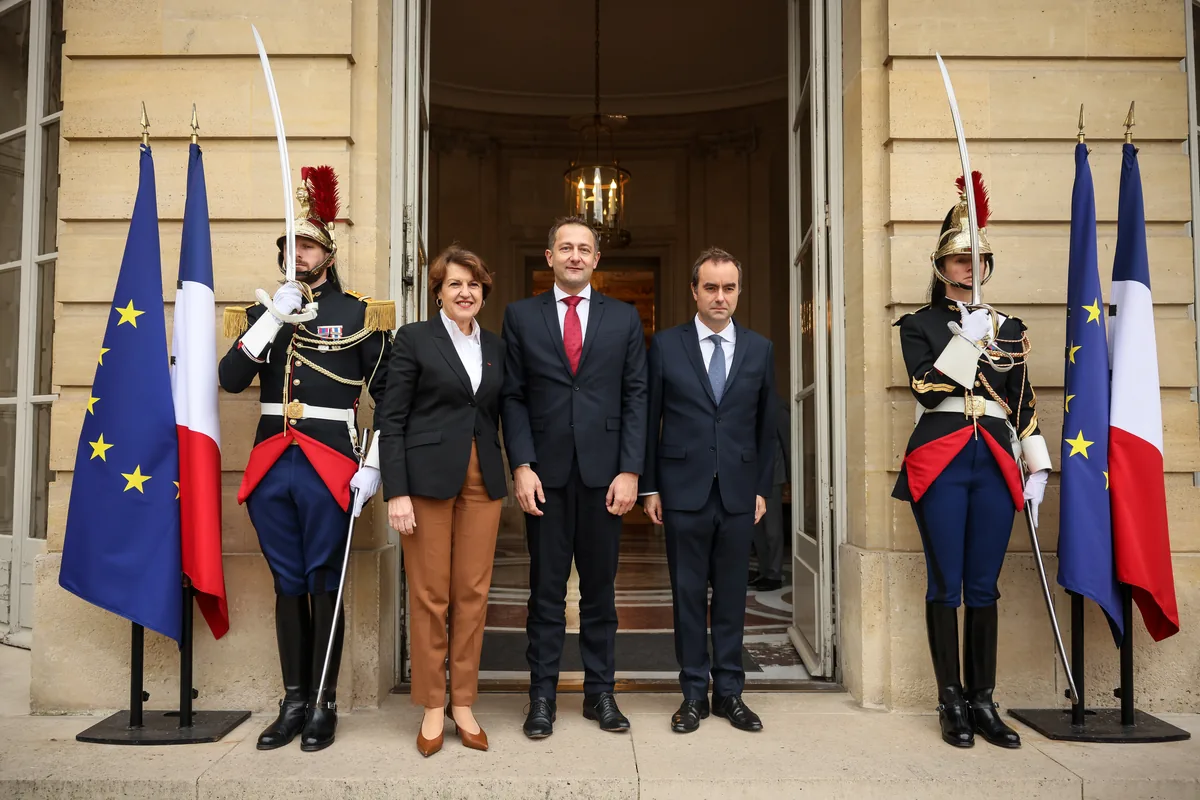
- Who: Prime Minister Sébastien Lecornu, speaking after an emergency crisis meeting on Monday, Oct 19.
- What: Prefects have been told to impose partial, localized curfews starting Monday evening to protect people, businesses and property.
- When: Curfews take effect Monday evening, Oct 19, 2026, after the Oct 17–19 weekend of riots.
- Why it matters: France’s worst violence in years — over 2,000 arrested, police admitted losing control, and a state of emergency has not been ruled out.
France’s prime minister called for partial, localized curfews across cities on Monday as the country reeled from a weekend of riots and looting that officials described as the worst street violence in years. Sébastien Lecornu said he had asked local prefects to trigger curfews starting Monday evening, after protests over the cost of living and school conditions spiraled into running battles between hooded rioters and police in Paris, Lyon and Marseille.
“I am fully resolved to restoring public order,” Lecornu told reporters. He added that if a state of emergency was deemed necessary “we could do so,” but said at this stage partial curfews seemed “more appropriate,” according to Reuters. He did not name which cities would impose curfews, but excluded putting all of Paris under curfew: “It is out of the question to put all of Paris under curfew.”
What happened in France this weekend?
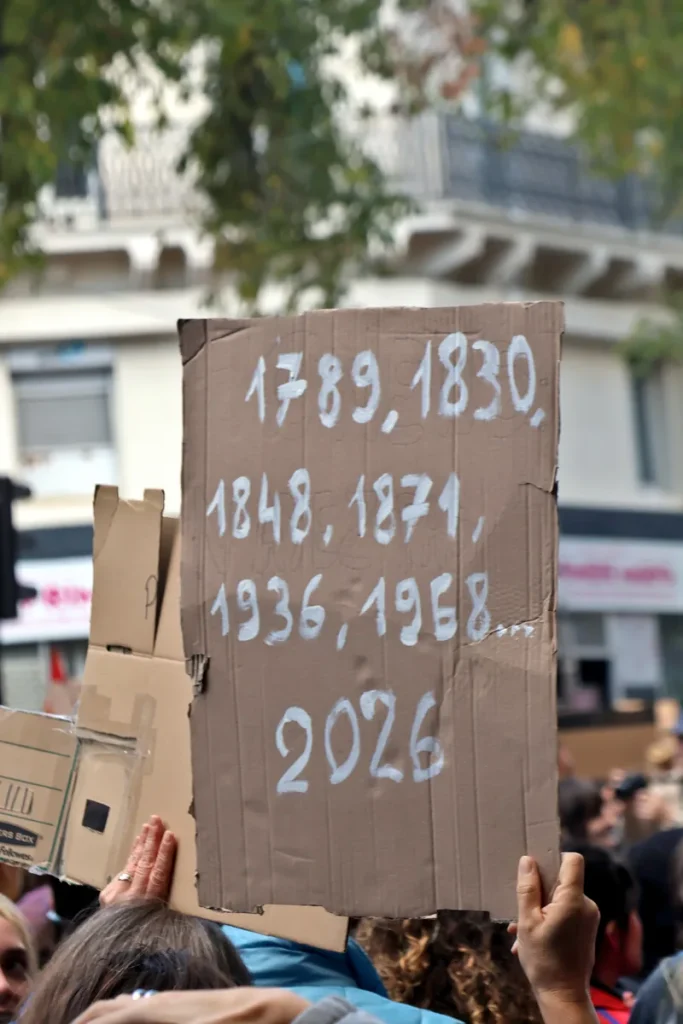
Saturday’s demonstrations drew roughly half a million people across France to protest rising living costs and conditions in schools, according to Dawn. The vast majority marched peacefully, officials stress — but in the evening, black-clad groups set fires, smashed into shops and government buildings, and clashed with police in what CNN called the country’s worst rioting in years. Images showed historic buildings ablaze, and the historic Limoges town hall was burned down.
The violence carried into Sunday night, when groups set fire to trash bins and bicycles and looted businesses in Paris, Lyon, Marseille and other cities, DT Next reported. Protesters blocked the entrance to the Louvre Museum, forcing it to close. In Marseille, officials banned all gatherings from midday until 8 p.m. on Monday in anticipation of more flare-ups.
CNN reported more than 2,000 people were arrested over the weekend, with at least two deaths and serious injuries, including two people who lost their hands. Dawn put the tally above 2,500 arrests, with almost 1,000 security officers injured. Lecornu noted that on Saturday itself — despite scenes of severe violence — no one was killed, calling it “a miracle.”
Latest update: curfews start today, emergency option open
The curfew instructions came after an interministerial crisis meeting Monday. Prefects will consult mayors and business representatives before setting restrictions aimed at protecting people and property, Anadolu Agency reported. Lecornu said details of the curfew areas would be provided later Monday.
He also announced what he called a massive judicial operation starting Monday, with nearly 200 investigators in the Paris police prefecture examining images and videos to identify suspects. “First and foremost, those who caused the damage must pay,” he said. For affected businesses, a short-time work scheme begins Tuesday alongside a dedicated support fund to protect jobs and cash flow.
Interior Minister Laurent Nunez, standing beside Lecornu at the press conference, said there were no plans to cancel Tuesday evening’s Paris Saint-Germain vs. Barcelona soccer match, Reuters reported.
Government under fire after police ‘lost control’
The mayors of France’s biggest cities demanded answers Monday over what they called a lack of preparation by security forces, Reuters reported. Interior Minister Laurent Nunez admitted that police “had lost control” during the weekend unrest, according to Dawn. Nunez offered his resignation on Sunday, but President Emmanuel Macron refused it, asking him to stay in command of law enforcement and to ensure full transparency about the failures in planning and intelligence-gathering.
On Sunday evening, Macron addressed the nation, saying: “Those who destroyed must pay. Those who looted must pay back. Those who sought to bring down the Republic will be held accountable.” Read more on Macron’s national address on the France riots.
The unrest follows weeks of student demonstrations and comes six months before France’s presidential election, against a weak economy and surging debt that has already spooked bond markets. Germany has updated its travel advice for France, urging citizens to exercise caution and avoid demonstrations.
What happens next — and will the unrest spread?
The Yellow Vests movement, which organized the weekend’s rallies, has called for a new round of protests next Saturday, Dawn reported. Lecornu pledged talks with political parties on campaign security and policing, and with unions on safeguarding demonstrations. “Many people demonstrated peacefully last Saturday, and that must be said again,” he stressed.
Officials across Europe are watching closely: CNN reported French officials fear the unrest could spill over into neighboring countries after a weekend of chaos. For now, France is bracing for Monday evening’s curfews — the most direct state intervention in public life since the violence began.
FAQs: France curfew explained
What is the latest update on the France curfew?
Prime Minister Sébastien Lecornu asked prefects on Monday, Oct 19, to impose partial, localized curfews starting Monday evening. He said the curfews would be “partial” and “very localized,” with details on the affected areas to be provided later Monday. A full curfew on all of Paris is off the table.
Why did France order curfews today, explained?
The curfews follow the worst street violence France has seen in years. After weekend protests over the cost of living and school conditions turned violent, more than 2,000 people were arrested, hundreds of shops were looted and damaged, and police admitted they had lost control. The curfews are meant to protect people, businesses and property.
What happened in France this weekend?
On Saturday, Oct 17, roughly half a million people joined protests across France over rising living costs and school conditions. While most marched peacefully, evening clashes in Paris, Lyon, Marseille and other cities saw fires, looting and attacks on government buildings. The Louvre was forced to close after protesters blocked its entrance. CNN reported at least two deaths over the weekend.
Will France declare a state of emergency?
Lecornu did not rule it out, saying “we could do so” if declaring a state of emergency was deemed necessary. But he added that at this stage partial, localized curfews seemed “more appropriate,” calling it a measured response to restore public order.
Reporting by Reuters, CNN, Al Jazeera, Dawn and DT Next.
Full coverage of this story: Paris Riots Fears as Yellow Vests Return to Streets · Paris Riots Today: 1,200 Arrested in Violent Night · France Protests: Historic Limoges Town Hall Burned Down in Riots · Macron Vows France Rioters Will Pay in National Address · Macron Rejects Nuñez Resignation as France Moves Toward Partia… · France Bond Sell-Off Deepens as Debt Crisis Spooks Investors