The US Federal Trade Commission has ordered nine of America’s biggest consumer companies to hand over detailed information about whether they use shoppers’ personal data to set individual prices — and whether gig platforms use workers’ personal data to set their pay. The orders, issued on Wednesday, October 28, 2026, went to Delta Air Lines, United Airlines and JetBlue in aviation; Lyft and Uber in ride-hailing; DoorDash and Instacart in delivery; and Target and Walmart in retail. Each company has 45 days from receiving its order to respond. If a company fails to comply, the FTC said it can seek a court order compelling it to do so.
The move does not accuse any of the nine companies of breaking the law. The orders are issued under Section 6(b) of the FTC Act, a study power that lets the agency gather information to inform regulators and lawmakers. The FTC said it will use the material to publish a study on personalized pricing and personalized compensation. That distinction matters: an information order is an inquiry, not a finding of wrongdoing.
What the FTC wants to know
At the heart of the inquiry is a simple question: do two customers buying the same thing at the same moment ever see different prices for reasons they cannot see? The FTC wants information that will let it assess whether the price of an airline ticket, a ride, a food delivery or another product varies from person to person based on factors such as participation in a loyalty programme, or analysis of personal data by algorithms.
It is also examining whether ride-hailing and food-delivery companies set or adjust worker compensation using personal data such as a driver’s phone usage or history of accepting past offers.
The orders ask the companies to document the inputs, tools and procedures behind their pricing and pay decisions, including any use of artificial intelligence, and to hand over internal research on how those systems work. Most of the requests cover practices dating back to January 1, 2023. The FTC also wants to know where the data and pricing tools come from, including whether outside vendors supply them.
FTC Chairman Andrew N. Ferguson said: “We intend to scrutinize the opaque methodology that some companies in these industries may be using to determine how much consumers pay or how much gig workers are paid for the same product or service,” and “Consumers deserve to know whether companies use their web surfing habits or other personal data to estimate the highest price they can charge each consumer. Workers also deserve to know if their compensation is affected by how companies use their personal data.”
Why now
The inquiry follows an earlier FTC study, published in January 2025, which found that grocers, clothing companies and others were using third-party firms to help individualize online prices based on shoppers’ locations, browsing histories and other factors. The FTC now says that study examined only the middlemen consultancies, not the businesses that actually set prices — and that the new orders correct that approach by going directly to the companies setting the prices.
In August 2026, the FTC also proposed a policy statement saying that setting an individual price using undisclosed personal data could violate the FTC Act. The comment period on that proposal has been extended until November 21.
The timing, days before the November 3 midterm elections in which voters consistently rank the cost of living as their top concern, gives the inquiry a political dimension as well as a consumer-protection one — though the FTC presents it as a study, not an enforcement case.
The practice at issue is often called personalized pricing or surveillance pricing. It differs from ordinary dynamic pricing, in which prices move with supply and demand for everyone — for example, an airline fare rising as seats fill. Personalized pricing, by contrast, would mean the price offered to one individual differs from the price offered to another for the same product, based on data about that person, such as browsing history, location, income or loyalty membership.
The companies push back
Several of the companies named have already rejected the premise of the inquiry, at least as it applies to them.
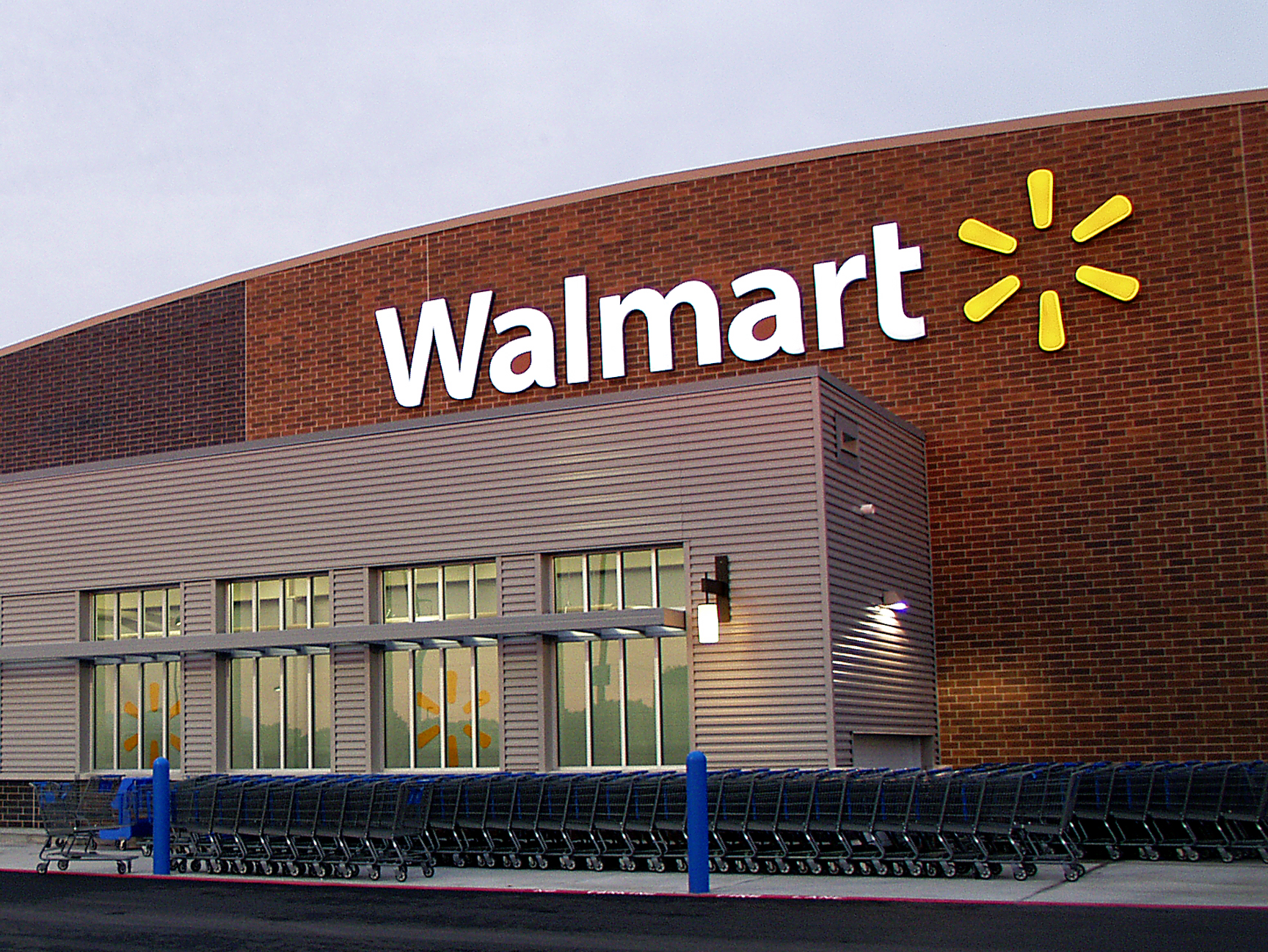
Delta said there is “no fare product Delta has ever used, is testing or plans to use that targets customers with individualized offers based on personal data,” adding that it has “zero tolerance for discriminatory or predatory pricing” and fully complies with pricing and advertising laws.
JetBlue said it does not use personal information or web-browsing history to set individual prices, and that fares are determined by demand and seat availability, with all customers having access to the same fares on its website and app.
Target pointed to an October 15 fact sheet in which it told customers: “Target does not use your personal information to raise an item’s price. And we don’t adjust prices based on the time of day you’re shopping or during times of high demand.”
Instacart said it does not use personal information to set prices and never will, and that it does not engage in surveillance pricing.
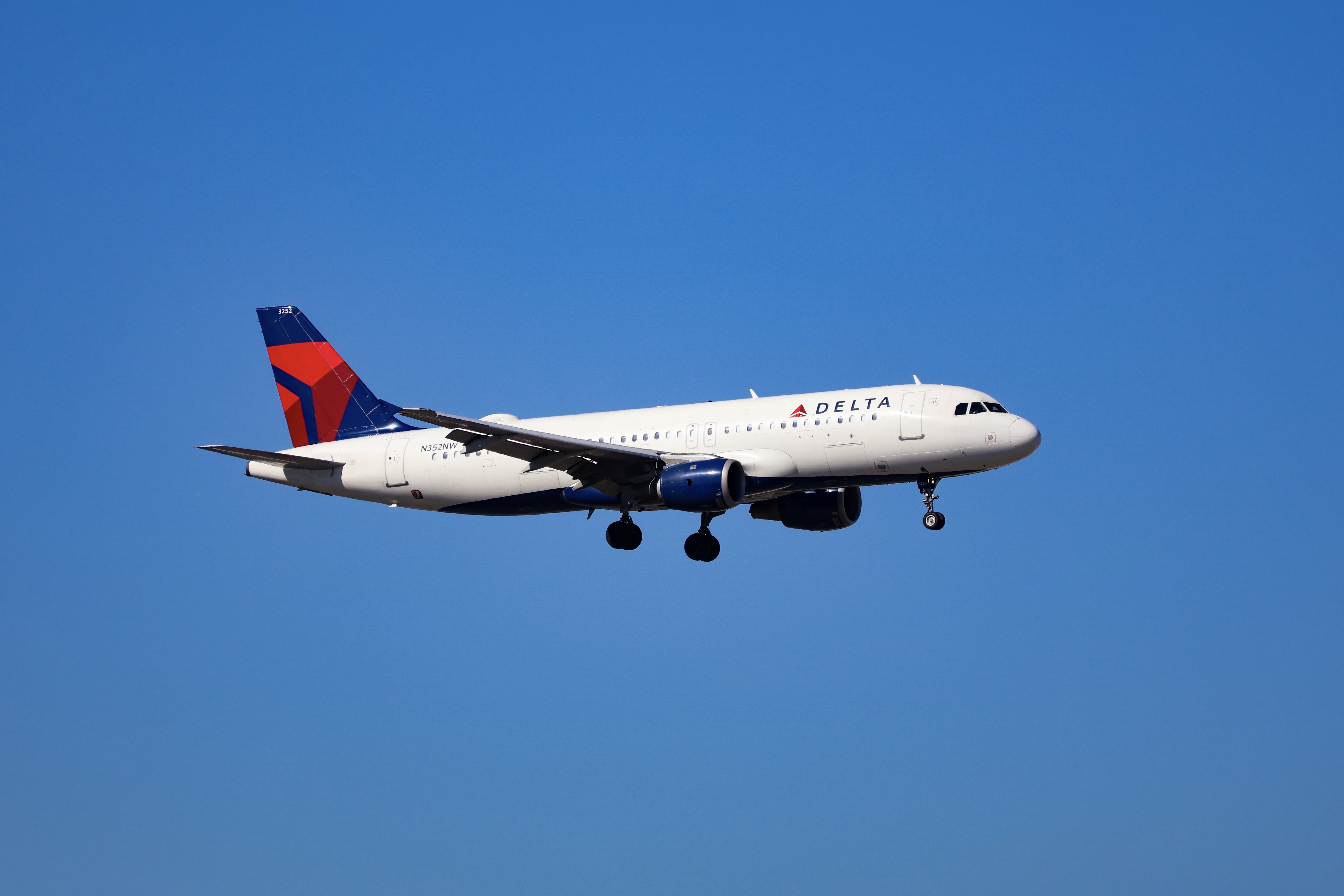
Walmart’s chief executive said last month that the retailer does not use personal information such as income, shopping history or a customer’s willingness to pay to set prices, and will not do so in the future.
Those denials do not end the inquiry. The FTC’s orders require the companies to show their working — the data inputs, the formulas and the software — so that regulators can test the claims against the companies’ own records, rather than relying on public statements alone.
What happens next
Once the 45-day response window closes, the FTC will analyse the submissions and publish a study intended to inform Congress and future enforcement decisions. That study could lead to new rules, guidance or enforcement cases — or it could conclude that the practices are narrower than feared. What it cannot do, on its own, is fine a company: these are study orders, not lawsuits.
For shoppers, the practical takeaway is narrower but real. The inquiry does not mean that every price difference you see online is personalized, or that a company has broken the law. It means the regulator now wants the evidence behind the algorithms that decide what you pay and what gig workers earn — and that, for the first time, it is asking the companies that set those prices directly.
What remains uncertain
The FTC has not published the companies’ responses, and no violation has been established against any of the nine. Company statements quoted here are the companies’ own positions, not FTC findings. The 45-day deadline runs from each company’s receipt of its order, so exact due dates may differ slightly by company. The August proposed policy statement is a proposal, not a final rule, and its comment period runs until November 21.
FAQ
Which companies received FTC orders?
Delta, United, JetBlue, Lyft, Uber, DoorDash, Instacart, Target and Walmart.
Does this mean the companies broke the law?
No. These are Section 6(b) study orders to gather information; the FTC has not found any violation.
How long do the companies have to respond?
45 days from receiving their orders; the FTC can seek a court order if a company fails to comply.
What is personalized pricing?
Setting an individual price for a person based on their personal data, as distinct from dynamic pricing, where prices move with supply and demand for everyone.
Sources
- Reuters via La Nacion — https://www.lanacion.com.ar/usa/ftc-orders-walmart-delta-and-others-to-share-how-they-use-personal-data-to-set-prices-and-pay-nid28102026/
- USA Today — https://www.usatoday.com/story/money/2026/10/29/ftc-investigating-9-major-companies-personalized-pricing/92499529007/
- PYMNTS — https://www.pymnts.com/legal/2026/ftc-orders-9-companies-to-explain-pricing-and-compensation-methodologies/
- ConsumerAffairs — https://www.consumeraffairs.com/news/ftc-probes-how-companies-use-personal-data-to-set-prices-and-worker-pay-102926.html