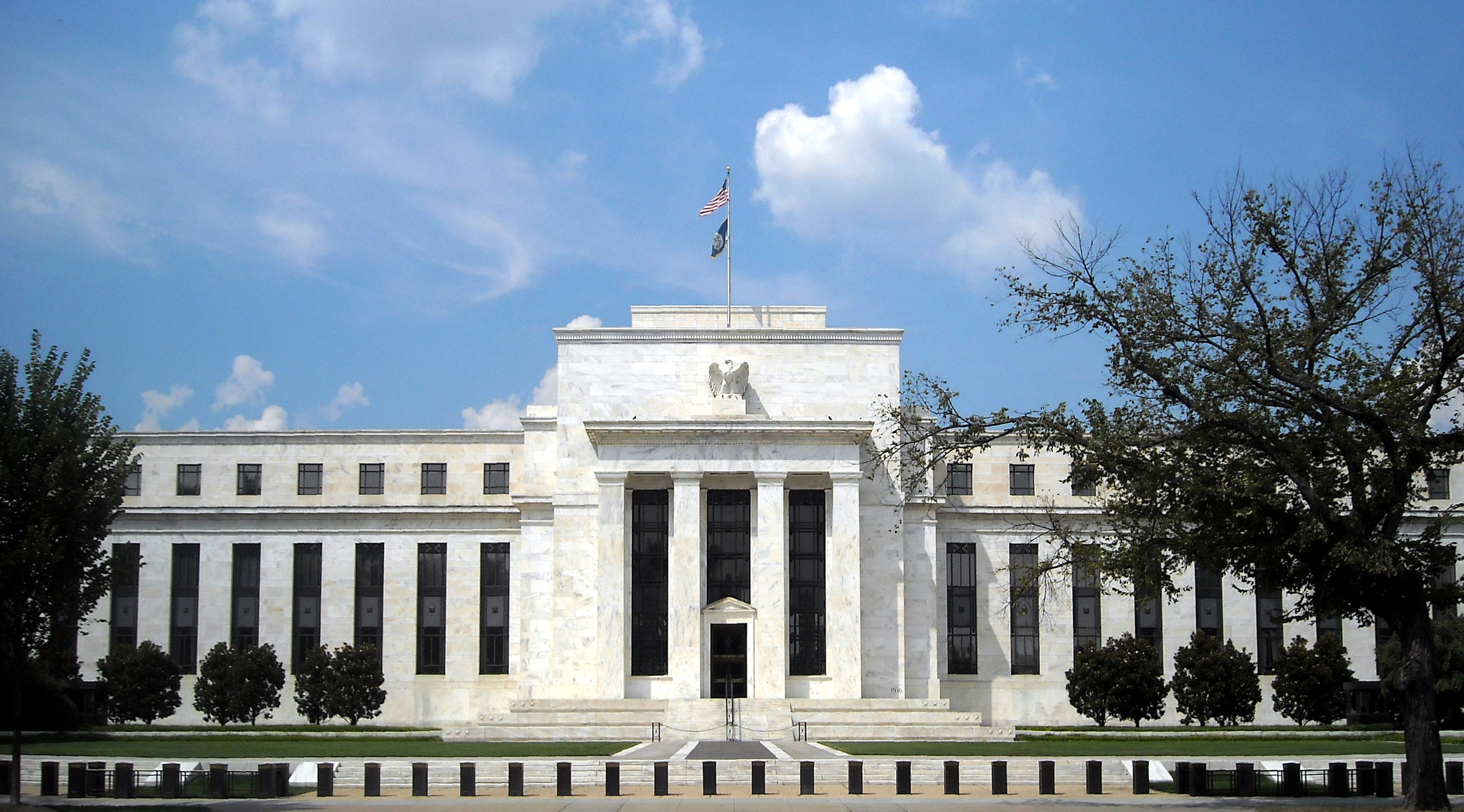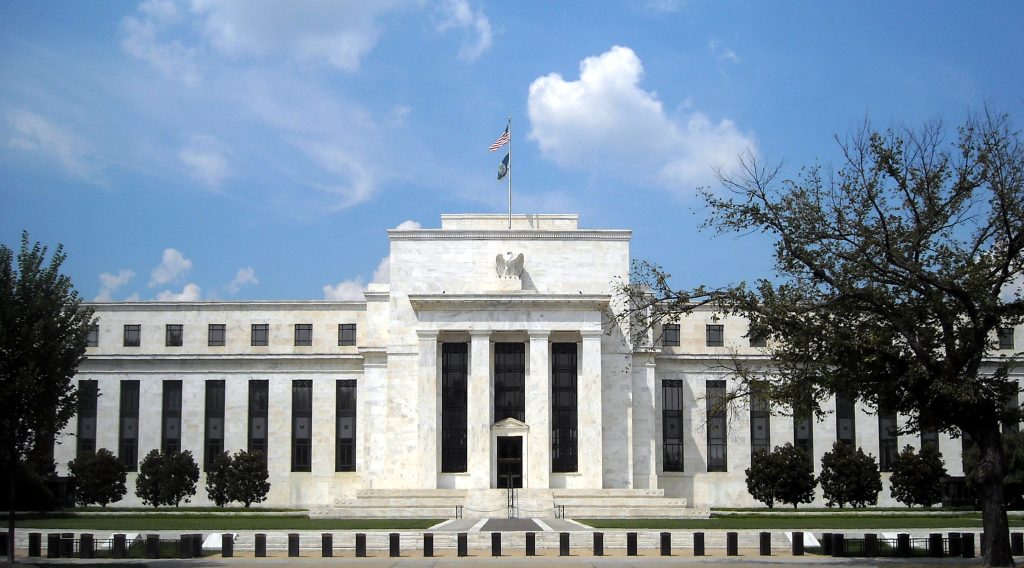
Federal Reserve Chair Kevin Warsh has announced that the US central bank will vote on interest rates less often from next year, reserving some of its scheduled meetings for long-term strategy instead of rate decisions.
Under the new calendar, the Federal Open Market Committee (FOMC) will still meet eight times a year, but it will hold a rate vote at only seven of those meetings in 2027 and six in 2028. The remaining meetings — one in 2027 and two in 2028 — will be devoted exclusively to broad monetary-policy strategy, with no vote on the federal funds rate and no policy statement expected.

What exactly changes
The shift is about how meetings are used, not how many meetings there are. Warsh was explicit at his press conference on Wednesday, October 28, that eight meetings a year remains, in his words, the right number for the committee. What changes is the purpose of some of them.
- 2027: seven rate-setting meetings and one strategy meeting.
- 2028: six rate-setting meetings and two strategy meetings.
- Strategy meetings: no interest-rate vote, no policy statement and no press conference afterwards, according to reports of the announcement.
- Emergency action: the Fed can still change rates outside its scheduled meetings if circumstances warrant it — an option it has used intermittently in the past, most recently in early 2020.
One report said Warsh indicated the first strategy meeting will take place in the autumn of 2027, although the Fed has not published a detailed calendar for the new sessions. It is also not yet clear how the discussions at strategy meetings will be communicated to the public.
Why Warsh says the Fed is doing this
Warsh argued that spacing out rate decisions lets more economic data accumulate between meetings, while dedicated strategy sessions give policymakers room to step back from the latest figures and think about bigger questions. He described the setting of the meeting schedule as an institutional choice that affects the quality of deliberations, not merely an administrative detail.
The change fits a broader overhaul of how Warsh runs the central bank since he became chair in May 2026. He does not give forward guidance on the outlook for rates and does not submit personal forecasts to the Fed’s quarterly projections, a break with the communication style of recent years.
The decision announced on the same day
The calendar announcement came at the press conference following a meeting at which the Fed held its benchmark interest rate steady. The FOMC voted 10-2 to keep the target range for the federal funds rate at 3.75% to 4.00%, after raising it by a quarter point in September.
Governor Lisa D. Cook and Cleveland Fed President Beth M. Hammack dissented, preferring another quarter-point increase. The Fed’s statement said economic activity is expanding at a strong pace but that inflation remains elevated, adding that incoming information will help determine the policy stance needed to return inflation to its 2% goal.
That backdrop matters for how the calendar change is read. Warsh has repeatedly stressed that inflation is still too high, and two dissents in favour of a hike show that pressure for tighter policy exists inside the committee even though a majority chose to wait.
What it means — and what it does not
For households and businesses, the practical effect is fewer scheduled moments at which borrowing costs could change — and longer gaps between some decisions. That could mean more data, and more time for debate, behind each move. Critics of the idea, as reported by Reuters, warn it could also leave the Fed slower to respond to fast-moving changes in the economy, since a scheduled meeting that might once have produced a rate change will instead be spent on strategy.
Three things the change does not mean. It does not freeze interest rates: the Fed can still act at its remaining rate-setting meetings or in an emergency. It does not change the Fed’s 2% inflation goal. And it does not settle what the Fed will do next: market pricing pointing to a December rate increase is traders’ bets, not a commitment from the central bank.
Short-term bond yields eased after Warsh’s press conference, while longer-term yields stayed above 5%, and US stocks closed slightly higher on October 28 — a muted initial market reaction to a change whose real test will come when the first strategy meeting arrives and when the next scheduled decision falls due.
What to watch next
The December FOMC meeting is the next scheduled rate decision, and markets will watch whether the two hawkish dissents grow. Further ahead, attention will turn to the Fed’s published 2027 calendar, to what — if anything — it says publicly after its first strategy session, and to whether fewer votes change the pace at which policy responds to inflation data.
Frequently asked questions
Is the Fed meeting less often? No. It will still hold eight scheduled meetings a year. Fewer of them will include a rate vote.
Will interest rates stay unchanged in 2027 and 2028? No. The Fed will still vote on rates seven times in 2027 and six times in 2028, and it retains the ability to act between meetings in an emergency.
When is the first strategy meeting? One report of Warsh’s announcement said it will take place in autumn 2027. The Fed has not published full details of the new sessions.
Sources
- Reuters, “Fed’s Warsh announces changes in how future FOMC meetings will go,” October 28, 2026: https://www.reuters.com/markets/us/feds-warsh-announces-changes-how-future-fomc-meetings-will-go-2026-10-28/
- The Wall Street Journal, “Fed Will Vote Just Seven Times on Rates Next Year,” October 28, 2026: https://www.wsj.com/livecoverage/fed-meeting-interest-rate-decision-10-28-2026/card/fed-will-vote-just-seven-times-on-rates-next-year-njiSr0BunGmIjx1KisjN
- MarketWatch, “Fed to hold fewer interest-rate votes at 2027 and 2028 meetings,” October 28, 2026: https://www.marketwatch.com/livecoverage/fed-meeting-today-warsh-inflation-interest-rates-live-updates/card/fed-to-hold-fewer-interest-rate-votes-at-2027-and-2028-meetings-NStUfe8b53gx8BG0MLtR
- American Banker, “Fed will drop one interest rate vote next year; two in 2028,” October 28, 2026: https://www.americanbanker.com/news/fed-will-drop-one-interest-rate-vote-next-year-two-in-2028
- Anadolu Agency / Reuters, “Fed holds benchmark interest rate steady at 3.75%-4%,” October 28, 2026: https://www.anews.com.tr/economy/2026/10/28/fed-holds-benchmark-interest-rate-steady-at-375-4
Related on Emadan
- Bank of Canada Raises Rate to 2.50% in First Hike Since July 2023 as Inflation Outlook Worsens
- New Zealand Central Bank Stuns Markets With Surprise Rate Hold at 2.75% in 4–3 Vote
- Australia Inflation Jumps to 4.3% as September CPI Strengthens Case for November RBA Hike