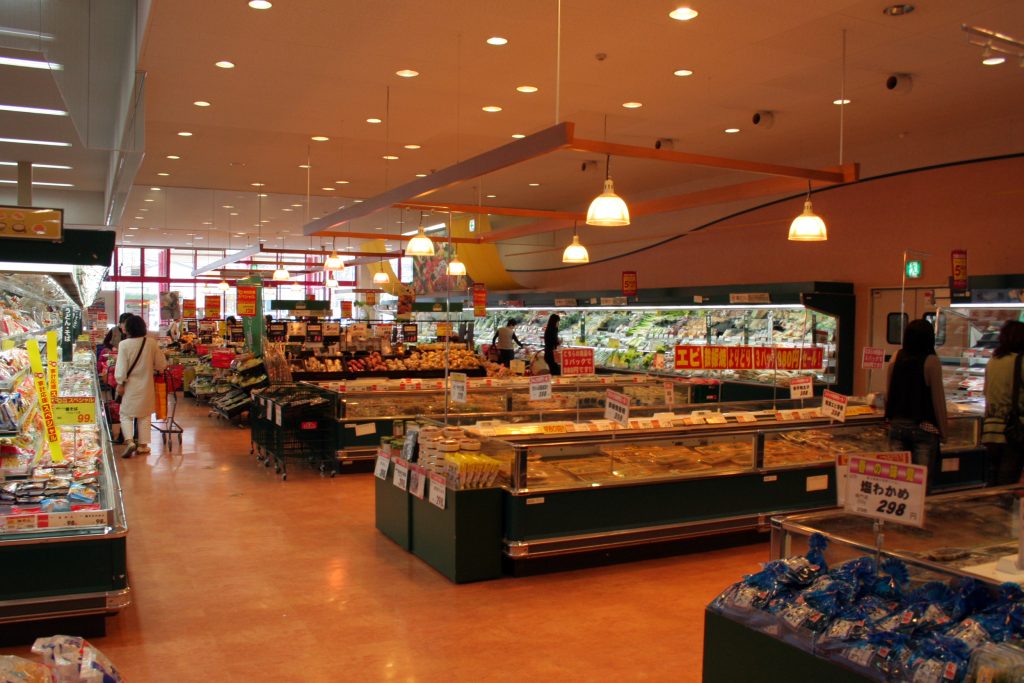
Refrigerators and freezers in dozens of supermarkets across six European countries stopped keeping food cold overnight, in what retailers and a refrigeration specialist believe was a coordinated cyber-attack on the systems that control them.
Stores in Belgium, Luxembourg, Sweden, Ireland, the Netherlands and Estonia were affected, and large quantities of chilled and frozen food had to be thrown away. No group has been identified as responsible, and investigators have not confirmed that every incident had the same cause.
What happened overnight
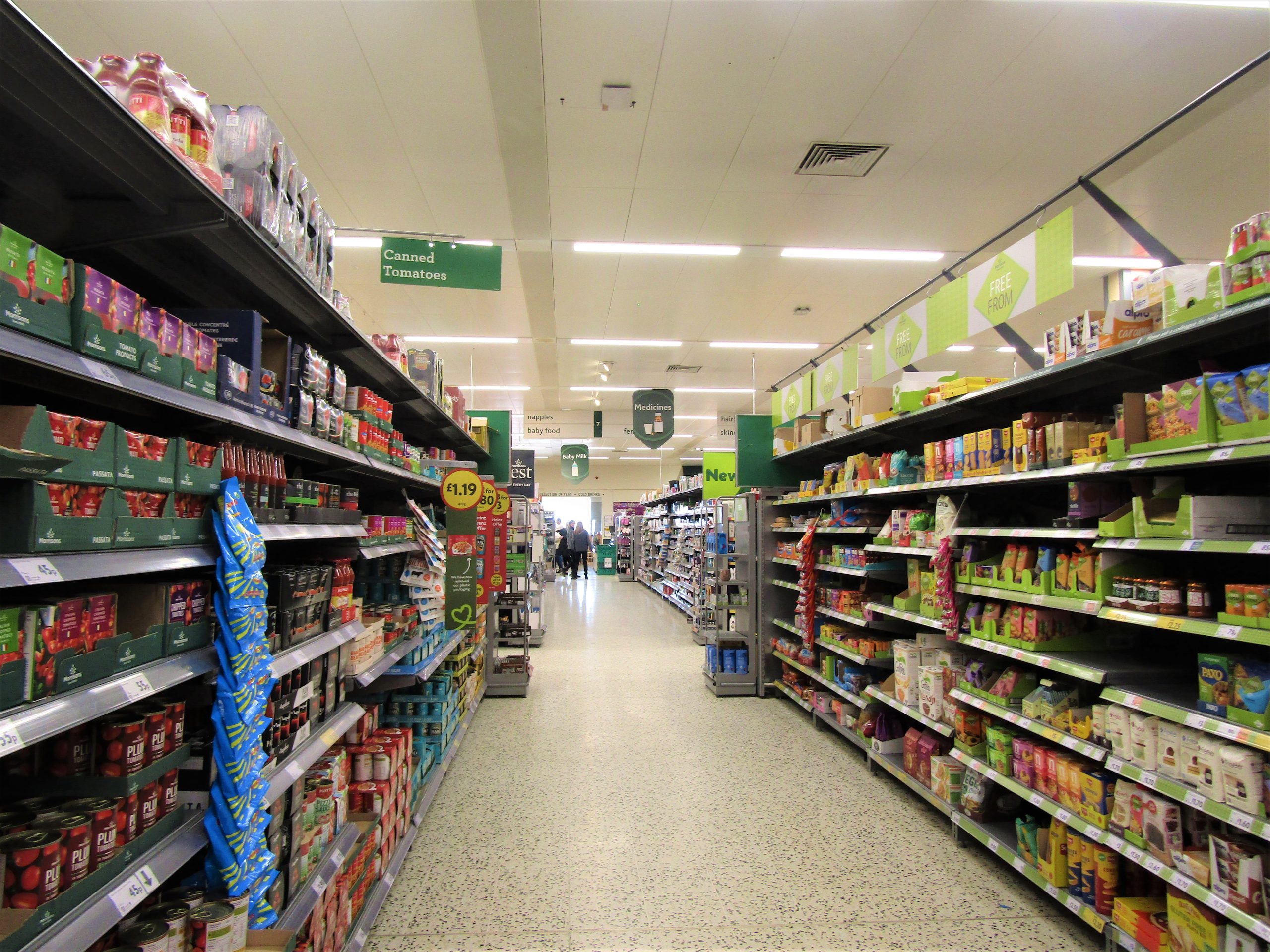
The heaviest impact so far appears to be in Belgium and Luxembourg, where around 40 Delhaize supermarkets reported problems. Delhaize’s parent company, Ahold Delhaize of the Netherlands, described what happened as an information-technology incident affecting fridges and freezers in dozens of its supermarkets in Belgium and Luxembourg. It said distribution centres were running normally and deliveries to stores were not disrupted.
Carrefour said 15 of its Belgian stores were affected but stayed open. Belgian media also reported around five Spar stores affected, while in Ireland, SuperValu said refrigeration equipment of a specific model at 13 stores was affected and chilled and frozen products were pulled from sale as a precaution.
In Sweden, ICA said only a small number of its shops, operating outside its central network, were involved, and Coop said seven of its roughly 800 Swedish stores were hit. An ICA store in Sjöbo, Sweden, said its refrigerators and freezers had been hacked and set to 50°C (122°F). A smaller number of shops in the Netherlands and Estonia were also reported affected, though exact counts for those two countries have not been confirmed.
One Delhaize branch in Hoeilaart, Belgium, put the value of the produce it lost at €100,000 — a figure for that single store, before counting the cost of closing the shop. It is not a total for the incident.
How the freezers were affected
Belgian refrigeration company Sabcobel, which operates systems for Delhaize, said the affected units had their evaporators switched into defrost mode, causing them to warm up. Its chief executive, Stephan Moelans, described the incident as a cyber-attack and said teams had spent the night and the morning disconnecting affected units from the network.
That description matters because of the distinction in wording: Sabcobel called it a cyber-attack, while Ahold Delhaize itself used the more cautious term “IT incident”. Other chains have likewise described incidents rather than confirmed attacks. Until investigators publish findings, the incident as a whole is best described as suspected or apparent — not proven.
The method described by Sabcobel closely matches the attack that struck hundreds of French supermarkets in early October. French police said hackers had seized control of cooling units at up to 700 stores, remotely overriding settings on thousands of freezers, fridges and chiller cabinets and pushing temperatures from as low as minus 27 degrees to well over 50 degrees. That incident prompted a formal investigation by the Paris prosecutor’s office, which cited food losses and fires among the damage, and France’s national cyber-security agency, ANSSI, was instructed to investigate.
Why food had to be thrown away
Chilled and frozen food that warms beyond safe storage temperatures cannot simply be re-chilled and sold. That is why affected stores removed stock from sale even where the shops themselves stayed open. Carrefour said it acted at once to make sure all of its shops could remain open despite the fault, while Delhaize said it took the necessary measures to keep its stores operational.
What the authorities are saying
Cyber-security agencies in Belgium and Sweden said they were monitoring the incident. Belgium’s Centre for Cybersecurity said it was closely following what happened. The UK’s National Cyber Security Centre said it was working with international partners and industry to fully understand the details of an incident, while confirming no incidents had been reported in the UK.
Ahold Delhaize had reported a separate cyber-security incident to police in the Netherlands last month. No link between that episode and this week’s refrigeration incidents has been confirmed, and none should be assumed.
What is still unknown
Three questions remain unanswered: who was behind the incidents, whether the incidents in all six countries were connected, and whether the same vulnerability or method was used in each case. Moelans said that since the French attack, his company had been working to protect customers’ refrigerators against the vulnerability, but that the units need physical modifications, not just software updates, and that most of its customers had moved to a secure internet connection after the French attack.
For shoppers, the practical effect is limited to reduced fresh and frozen ranges in affected stores. For retailers, the incident is a second warning in less than a month that internet-connected refrigeration — equipment designed to be monitored remotely — can itself become a target.
FAQ
Which countries were affected?
Belgium, Luxembourg, Sweden, Ireland, the Netherlands and Estonia, according to BBC reporting on 2 November 2026.
Which supermarket chains were hit?
Around 40 Delhaize supermarkets in Belgium and Luxembourg, 15 Carrefour stores in Belgium, around five Spar stores in Belgium, 13 SuperValu stores in Ireland, and a small number of ICA and seven Coop stores in Sweden, plus a smaller number of shops in the Netherlands and Estonia.
Has anyone claimed responsibility?
No. No group has been identified as responsible, and no link between the incidents in different countries has been confirmed.
Is this connected to the French supermarket freezer attack?
The method described — evaporators switched into defrost mode — closely matches the October attack on hundreds of French supermarkets, but a connection has not been confirmed by investigators.
Sources
- BBC News, “Shop freezers in six European countries hit by suspected cyber-attack”, 2 November 2026 — https://www.bbc.co.uk/news/articles/cq1kd1nee80eo
- The Manila Times (AP), “Freezers at supermarkets in several European countries hit by apparent cyberattacks”, 2 November 2026 — https://www.manilatimes.net/2026/11/02/world/freezers-at-supermarkets-in-several-european-countries-hit-by-apparent-cyberattacks/2459484
- POLITICO via Daily Guardian Europe, “Supermarkets hacked in Belgium, Sweden and Luxembourg”, 2 November 2026 — https://dailyguardian.eu/supermarkets-hacked-in-belgium-sweden-and-luxembourg-politico/
- World Right Now (from BBC News and The Guardian), “Shop freezers in six European countries hit by suspected cyber-attack”, 2 November 2026 — https://worldrightnowlive.com/story/shop-freezers-in-six-european-countries-hit-by-suspected-cyber-attack