The European Union and Canada are establishing an “Alliance for the Future” at their summit in Montreal, after weeks of wrangling over what to call their closer relationship ended with the disputed “associate member” label dropped from their joint statement.
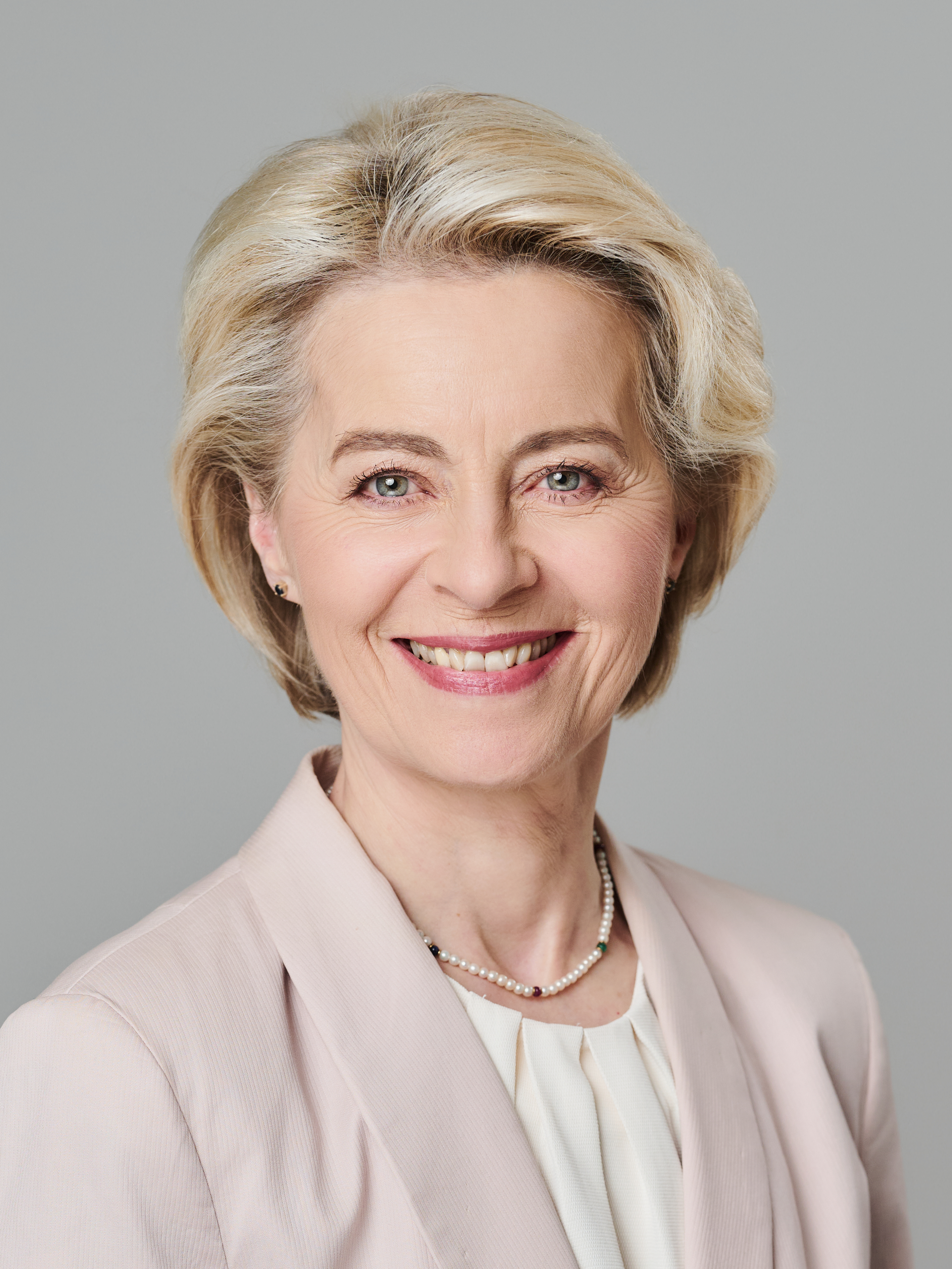
Canadian Prime Minister Mark Carney and European Commission President Ursula von der Leyen, joined by European Council President Antonio Costa, spent Thursday and Friday at the two-day summit projecting unity at a time of global tensions and US trade pressure.
“This new alliance is not a marketing exercise. The name doesn’t matter,” Carney said on Thursday, answering yet another question about the terminology.
How the label was dropped
The row began last month, when von der Leyen proposed in her State of the Union address in Strasbourg that Canada become the EU’s first “associate member” — a status that does not currently exist under the bloc’s framework. She described it as an “association without accession” that would bring Canada closer to EU membership than any previous arrangement with a non-member country.
Germany, led by Chancellor Friedrich Merz, and several other member states objected, citing uncertainty over what the status would entail and insufficient consultation by the Commission. After weeks of wrangling, the group successfully pushed to drop the wording from the joint summit statement, replacing it with a commitment to an “ever closer association.”
“In this summit, the EU and Canada are establishing an ‘Alliance for the Future’,” Merz said on Thursday.
Von der Leyen, however, did not abandon the term in her own remarks. Arriving in Montreal, she wrote that the EU wanted to bring Canada closer than ever “as Associate Member of the EU,” and in a pre-summit speech she said: “We are discussing the idea of Canada becoming the first associate member of the EU. We can build a partnership that comes closer to membership than anything we have done before.”
Carney, who had largely avoided the label, later used it himself at a business roundtable with von der Leyen, saying the two sides were forging “an alliance for the future, with Canada as an associate member.” He has ruled out full EU membership and said any enhanced partnership would face a vote in Canada’s Parliament.
What the alliance covers
The joint statement, expected to be issued at the end of the summit on Friday, commits both sides to reducing trade barriers, facilitating investment and ensuring the continued availability of essential raw materials, medicines and technologies. It also includes closer cooperation on artificial intelligence safety and security, and a planned feasibility study into additional liquefied natural gas exports from Canada to Europe.
Von der Leyen said Canada and the EU would finalise an agreement on Friday giving Canadian companies, startups and researchers access to Europe’s network of 12 supercomputers, strengthening cooperation on artificial intelligence.
The revised draft waters down some earlier ambitions: commitments originally planned for financial market integration and mutual preferential treatment on economic security measures were weakened.
Carney also hopes to use the summit to push forward ratification of CETA, the EU-Canada free trade agreement provisionally in force since 2017 but still unratified by nine member states, including France and Italy.
Why it matters
The summit is a test of Carney’s vision for a new global order, set out in his widely praised speech at the World Economic Forum in Davos in January, in which he warned that the US-led international order was breaking down and economic integration was increasingly being weaponised.
Von der Leyen echoed that theme in Montreal, saying economic relationships once considered sources of stability were increasingly being used as instruments of pressure, and that sovereignty was under attack in real time.
The alliance is designed to be open to other like-minded, trusted countries — not just Canada and the EU — and to coordinate economic security measures, such as tariffs, so they do not inadvertently harm members of the group.
It has not gone unopposed. US President Donald Trump has suggested Canada’s proposed EU arrangement could be a “hostile act” and threatened tariffs on Europe if he considered it unfriendly. At home, Conservative leader Pierre Poilievre strongly opposes associate-member status, saying: “We will never be the 51st state of the US, but we will also never be the 28th state of the European Union.”
The final declaration, due Friday, will show how much of Thursday’s rhetoric survives as agreed text — but the alliance’s name, at least, is settled.
Frequently asked questions
Is Canada joining the European Union?
No. Carney has ruled out full EU membership, and the “associate member” status proposed by von der Leyen does not exist. The agreed framework is an “Alliance for the Future” with an “ever closer association.”
Why was the ‘associate member’ label dropped?
Germany and other member states objected to a status with unclear implications that had not been agreed with them, and pushed to remove the wording from the joint summit statement.
What does the alliance actually do?
It commits the EU and Canada to closer cooperation on trade, defence, critical minerals, technology, research and AI, and is open to other trusted partners joining.
Sources:
- Reuters, “Squabble over ‘membership’ label emerges as irritant at EU-Canada summit,” via Free Malaysia Today, October 30, 2026
- Associated Press, “Carney, top EU official push Canada associate membership and wider alliance against Trump threats,” via Korea Times / Arab News, October 30, 2026
- dpa, “EU drops proposed ‘associate member’ status for Canada from draft declaration,” via SANA, October 29, 2026
- Euronews, “EU removes mention of ‘associate membership’ from Canada declaration,” October 28-29, 2026
Related coverage: Alberta’s separation referendum is being voted on in Canada today.