Canadian Prime Minister Mark Carney has said Canada is prepared to wait for a better trade agreement with the United States — even if that means waiting for a new American president — rather than sign a deal that is not in Canada’s interest.
He set out the position in an interview with POLITICO published on October 30, days before the United States midterm elections on November 3. His message, in short, is that speed is not the goal: a deal must be worth signing.
What Carney actually said
Carney said Canada would not conclude an agreement simply to end the dispute. Asked whether he would wait for a new US president if that was what it took to get acceptable terms, he answered: “We’ll have to, if that’s what it takes.”
He added that American families and businesses would also lose out from a prolonged standoff, saying: “They’re not winners in this circumstance.” The point, as he framed it, was not to threaten Washington but to explain that Canada would not lock in terms it judged to be against its own interests.
He also said a good deal could be reached quickly if one was available, and that the existing USMCA arrangement remained, in his words, the most mutually advantageous trade deal between the two countries. What Canada would not do, he said, was conclude something “for the sake of concluding it”.
Why the talks are stuck
Trade negotiations between the two countries have made little progress since Canada walked away from talks in August, according to reporting of the interview. Both sides have imposed new tariffs this fall, leaving exporters on both sides of the border facing higher costs and greater uncertainty.
That background matters because it explains why Carney is treating time as leverage rather than as a deadline. If Ottawa signs under pressure, it risks locking in terms that hurt Canadian industries, cultural protections or sovereignty. If it waits, it accepts continued tariff pain in the hope of a better agreement later.
The wider tensions behind the trade row
The interview also touched on strains beyond tariffs. Carney said Canadians were growing tired of diplomatic provocations from the United States, and he described shifting American policy on Russia’s war in Ukraine as “unhelpful”, pointing in broad terms to variance in US actions on restrictions, sanctions on Russia and the provision of defensive capabilities to Ukraine.
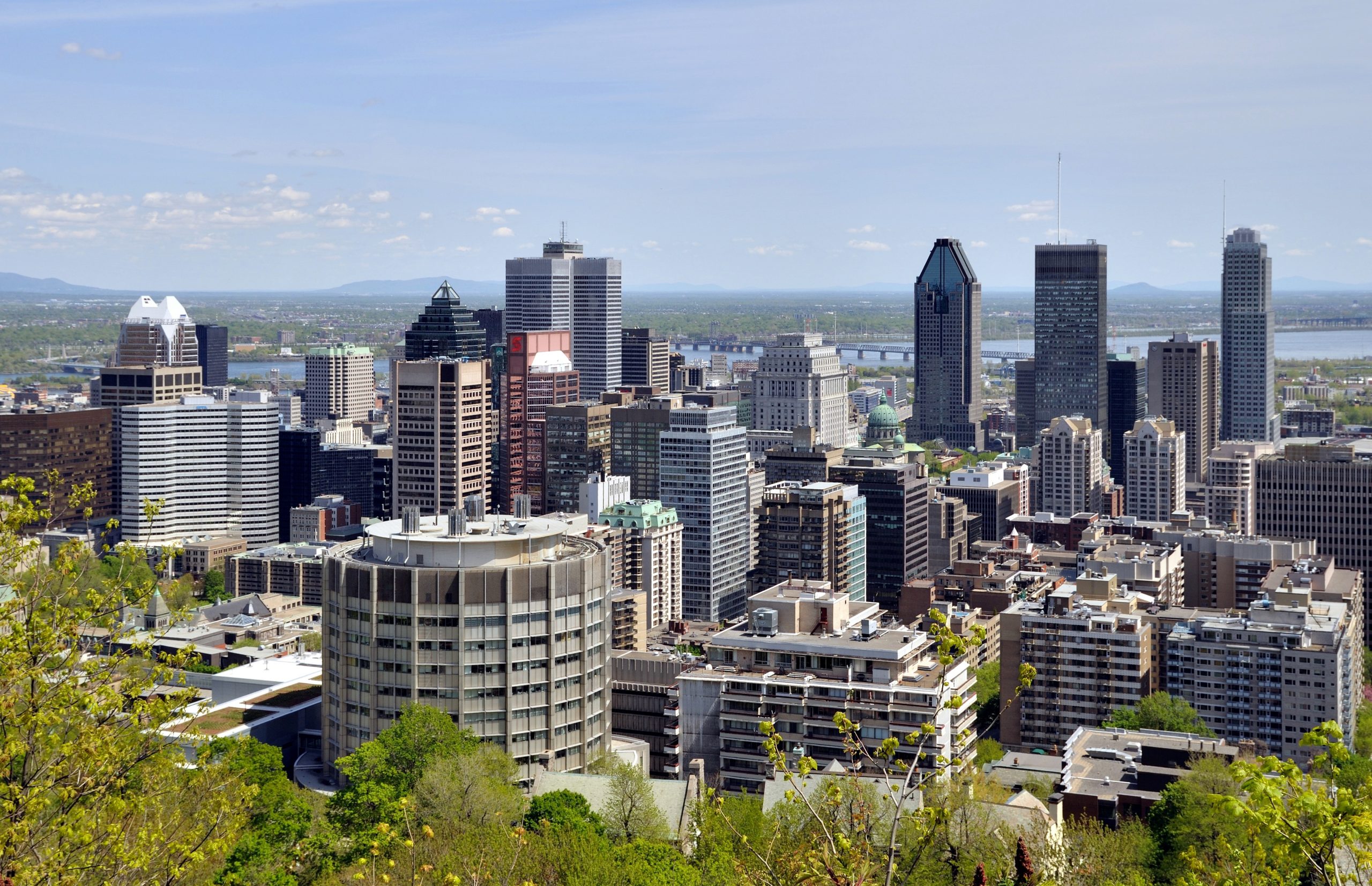
He rejected the suggestion that he had handled the Montreal summit with European Union officials differently out of sensitivity to US President Donald Trump. “Absolutely not,” he said. “That way lies madness.”
See also: EU-Canada alliance launched at the Montreal summit.
The White House did not immediately respond to POLITICO’s request for comment on his remarks, according to Newsmax’s report of the interview.
There was also a lighter moment. Carney said he had not yet worn any of the four Brooks Brothers shirts Trump recently gave him, joking: “I haven’t had occasion to put on the shirts, because we don’t have a mutually advantageous trade deal. They’re sitting in my closet.”
What happens next
Nothing in Carney’s remarks closes the door to talks. Canada remains open to a deal, and Carney has repeatedly said Ottawa is willing to negotiate. The condition is that the terms must serve Canada’s national interests and provide meaningful economic benefits, not merely meet a political timetable in Washington.
With the midterms on November 3, the immediate question is whether the election changes the political incentives in Washington. Carney’s answer suggests Ottawa is prepared for either outcome — a deal if the terms improve, or a longer wait if they do not. Readers should watch for any resumption of formal talks, any change in tariff measures, and any statement from the White House in response to the interview.
Why this matters
For Canadian businesses, the stance means continued uncertainty in the short term but a refusal to accept a permanently worse trading position. For American consumers and firms that buy Canadian goods, it is a reminder that tariffs are a two-way cost. And for the wider debate about how allies negotiate with Washington, Carney’s “wait it out” position is a test of whether patience can produce a better deal than a rushed signature.
Frequently asked questions
Has Canada ended trade talks with the US? No. Carney says Canada remains open to negotiations, but only on terms in Canada’s interest; talks have made little progress since Canada walked away in August.
Would Canada really wait for a new US president? Carney said it would “have to, if that’s what it takes” if no acceptable deal can be reached with the current administration.
Does Carney want a deal at all? Yes — he says a mutually advantageous deal could be concluded quickly if one is available, and points to the existing USMCA deal as the model.
Sources
- Newsmax, “Carney: Canada Can Wait Trump Out for US Trade Deal“
- Bloomberg Law, “Carney Says No Hurry on Trade Deal If US Won’t Offer Good Terms“
- Europesays, “Carney refuses to rush US trade deal as tariffs continue to hit Canadian industries“
- Canada Bulletin, “Mark Carney Takes Firm Stand on Canada’s U.S. Trade Deal“