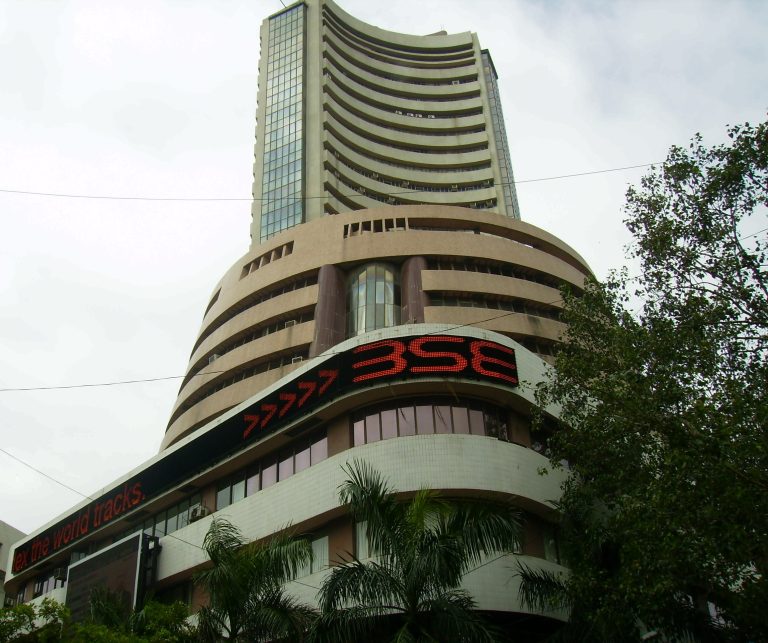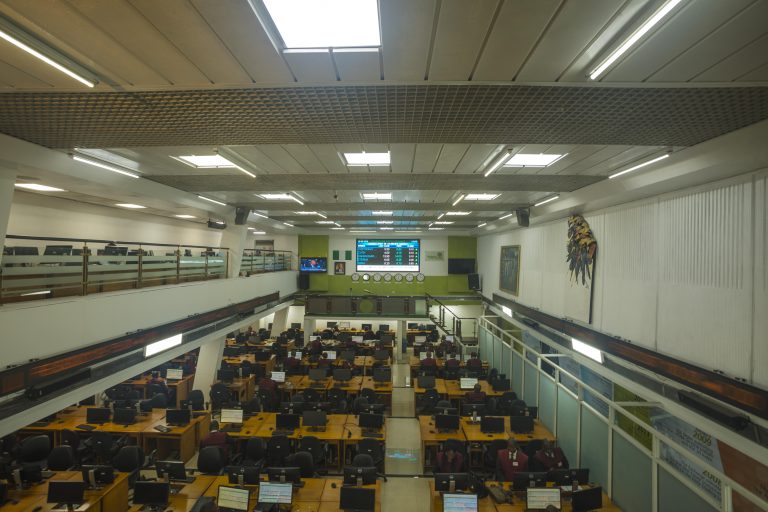
Brazil’s stock exchange, B3, halted trading for 30 minutes on Monday after its benchmark Ibovespa index fell 10% from its previous close, as investors reacted to Luiz Inácio Lula da Silva’s victory in Sunday’s presidential runoff.
The halt was a Stage 1 circuit breaker, triggered on Monday morning as trading got underway in São Paulo. Circuit breakers are automatic pauses designed to interrupt a sharp sell-off and give investors time to reassess, rather than a closure of the exchange for the day.
What triggered the halt
Under B3’s own rules, a 10% fall in the Ibovespa from the previous close triggers a 30-minute halt. A further 15% fall after trading resumes would trigger a one-hour halt, and a 20% fall would trigger a halt for a period set by B3. The mechanism does not apply in the last 30 minutes of a session.
Reuters reported that B3 confirmed the 30-minute halt. The exact minute the breaker was triggered was not established in the reports checked for this article, and this article does not state one. It also does not claim that no further halt followed: later reports described a deeper intraday fall, but no second-stage halt was confirmed in the sources checked.
The election result behind the sell-off
Lula won Sunday’s runoff with 64,256,232 votes, or 51.79% of valid ballots, against 59,826,041 votes, or 48.21%, for Flávio Bolsonaro, according to figures from Brazil’s electoral authority cited in reporting of the result. The margin was 4,430,191 votes, or 3.58 percentage points.
The result reversed the first round on 4 October, in which Bolsonaro led with 47.03% to Lula’s 45.16%. Lula’s fourth, non-consecutive term is reported to begin on 5 January 2027. The Associated Press reported that Bolsonaro has refused to concede and is seeking to annul the result.
Reuters reported that investors had positioned for a Bolsonaro win after the first round, and that Lula’s victory reversed that trade. That is market context for the sell-off, not proof that the election result alone caused every move in Brazilian assets on Monday.
How far the market fell
Beyond the exchange halt itself, the Brazilian real weakened by around 12% in early spot trading, while Ibovespa futures tumbled by nearly 15%, Reuters reported. Brazil’s Treasury cancelled bond auctions scheduled for 27 and 29 October, and B3 had first expanded daily limits for Ibovespa, dollar and interest-rate futures.
After trading resumed, the Ibovespa later reached an intraday low of 169,516.43 points, down 17.34%, according to Estadão Conteúdo via EconoTimes. That is an intraday figure, not Monday’s closing level, which was not established in the sources checked for this article.
Moves in US-listed Brazilian shares and exchange-traded funds are a separate US-market development, with different prices and timing, and their figures are not included in the B3 figures above.
What is still unknown
Three things remain unconfirmed in the reporting checked: the exact minute the circuit breaker was triggered, whether any second-stage halt followed the later intraday fall, and Monday’s closing level for the Ibovespa. Readers should treat any precise closing figure from Monday with caution until B3’s official session data is published.
For context on how Brazil fits into the wider emerging-market bloc, see Emadan’s explainer on BRICS, and for another recent sharp market sell-off, see our report on the Indonesia stock market sell-off.
What to watch next
Investors will watch whether Brazil’s Treasury reschedules the cancelled bond auctions, whether B3 issues any further notice about trading halts, how Bolsonaro’s challenge to the result proceeds, and how the Ibovespa trades when the São Paulo session resumes.
Frequently asked questions
Why did B3 halt trading? Because the Ibovespa fell 10% from its previous close, which under B3’s rules automatically triggers a 30-minute Stage 1 circuit breaker.
What is a circuit breaker? An automatic pause in trading after a sharp index fall, intended to slow panic selling and let prices reset. B3’s stages are 10% for 30 minutes, 15% after resumption for one hour, and 20% for a period set by B3.
Did Lula win by a large margin? No. He won 51.79% of valid votes to Flávio Bolsonaro’s 48.21%, a margin of about 4.43 million votes.
Sources
- Nikkei Asia (Reuters): Trading halted in Brazil as stocks sink following Lula reelection
- Nikkei Asia (AP): Brazil’s Lula reelected president, beats former president’s son
- EconoTimes (Estadão Conteúdo): Brazil’s Ibovespa Falls 17.34% Intraday After Lula Wins Runoff
- B3 Trading Procedures Manual, 30 June 2025 version (circuit-breaker rules, cited in text)