Australia Inflation Jumps to 4.3% as September CPI Strengthens Case for November RBA Hike
Australia’s inflation accelerated in September, with consumer prices rising 4.3 percent in the 12 months to September 2026, up from 4.0 percent in August, according to data released by the Australian Bureau of Statistics (ABS) on Wednesday, October 28. The stronger-than-expected figures have sharply increased expectations that the Reserve Bank of Australia (RBA) will raise interest rates at its November meeting.
The September-quarter consumer price index rose 1.3 percent in the quarter, more than double the previous quarter’s 0.6 percent gain, while the annual quarterly rate held at 3.9 percent. The RBA’s preferred underlying gauge, the trimmed mean, rose 1.0 percent in the September quarter — above the bank’s own August forecast of 0.8 percent — and the quarterly trimmed mean reached 3.7 percent year on year, above the 3.6 percent consensus forecast.
The numbers at a glance
- Headline CPI, September monthly: up 0.8 percent in the month; up 4.3 percent year on year (from 4.0 percent in August)
- Headline CPI, September quarter: up 1.3 percent in the quarter; up 3.9 percent year on year
- Quarterly trimmed mean: up 1.0 percent in the quarter; up 3.7 percent year on year
- Monthly trimmed mean, September: up 0.3 percent in the month; up 3.6 percent year on year (August revised down to 3.5 percent)
- Weighted median, September quarter: up 1.0 percent in the quarter; up 3.6 percent year on year
Two different trimmed-mean figures appear in coverage of this release, and they measure different things. The 3.7 percent figure is the quarterly trimmed mean, calculated on the pre-October 2025 basis that the RBA still uses for its forecasts. The 3.6 percent figure is the newer monthly trimmed mean for September alone. Both point in the same direction: underlying inflation is running well above the RBA’s 2 to 3 percent target band.
Housing and fuel drove the rise
Housing was the largest contributor to annual inflation in September, rising 5.2 percent, ABS head of price statistics Rachael McCririck said. New dwelling prices rose 4.7 percent over the year as builders passed on higher material and labour costs, while electricity costs also contributed as Commonwealth rebates ended.
Transport was the second-largest contributor, rising 8.7 percent on higher automotive fuel prices. Fuel prices rose 9.4 percent in September alone, after a 14.8 percent jump in August, driven by higher world oil prices. Because automotive fuel was excluded from the trimmed mean in September, the gap between headline inflation (4.3 percent) and underlying inflation (3.6 percent monthly) largely reflects that fuel spike.
Bullock: inflation “unacceptably high”
RBA Governor Michele Bullock responded quickly to the data, saying inflation is unacceptably high, that upside inflation risks are materialising, and that domestic demand continues to exceed supply. She added that labour market conditions appear tighter than the bank had previously estimated.
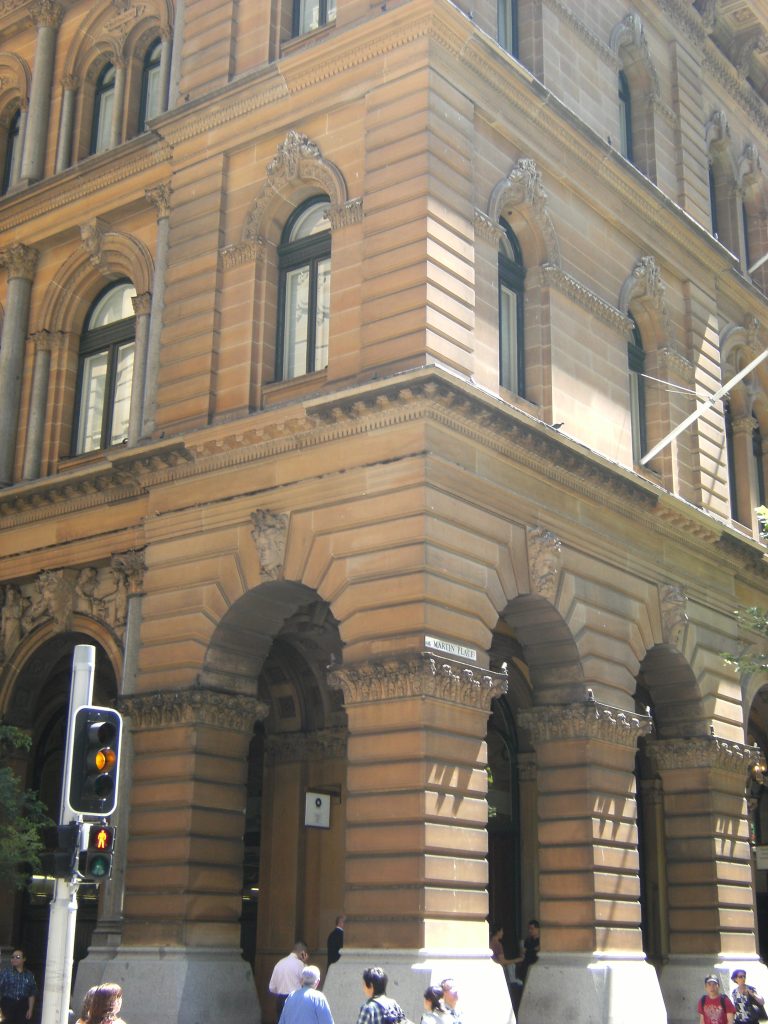
The cash rate has stood at 4.60 percent since September, when the RBA delivered its fourth increase of the year, taking cumulative tightening to a full percentage point. The RBA’s Monetary Policy Board meets on November 2–3, with its decision announced at 2:30 p.m. Sydney time on November 3. Market pricing reported after the CPI release put the chance of a quarter-point rise at around 85 percent, up from about 69 percent before the data — but that is traders’ pricing, not the bank’s decision, and the board could still hold.
Across the Tasman, New Zealand’s central bank surprised markets this week by holding its rate, a reminder that central banks facing similar data can still choose differently. The RBA, however, has repeatedly said it will raise rates further if needed to bring inflation back to target.
What it means for households
If the RBA does raise the cash rate to 4.85 percent, lenders typically pass at least part of any increase on to variable mortgage rates, adding to borrowing costs for households already facing higher prices for housing, fuel and services. Services inflation rose to 4.1 percent and non-tradables inflation to 4.5 percent, suggesting price pressures are broadening beyond fuel alone. The November decision, along with the bank’s updated forecasts, will show whether the board views this as a temporary energy-driven spike or a more persistent inflation problem.
Frequently asked questions
What is Australia’s current inflation rate?
Annual CPI inflation was 4.3 percent in the year to September 2026, up from 4.0 percent in August, according to the ABS. The September-quarter CPI rose 1.3 percent in the quarter.
Why are there two different “core” inflation figures?
The quarterly trimmed mean (3.7 percent year on year) and the monthly trimmed mean (3.6 percent) measure different periods and use different collection bases. The quarterly figure is the one the RBA has traditionally used for its forecasts; the monthly figure is newer and covers September alone.
When will the RBA decide on rates?
The RBA board meets on November 2–3, 2026, and announces its decision at 2:30 p.m. Sydney time on November 3. Markets are pricing a high chance of a rise, but no decision has been made.
Sources: RBA https://www.rba.gov.au/inflation/measures-cpi.html?region= ; Australian Conveyancer https://www.australianconveyancer.com.au/article/inflation-rate-rises-higher-than-expected/ ; Westpac IQ https://www.westpaciq.com.au/economics/2026/10/cpi-september-2026 ; MarketFlux https://news.marketflux.io/news/australia-q3-inflation-beats-on-headline-and-core-strengthening-case-7add8611417c20948a78d7eb9c0ddf7d.html