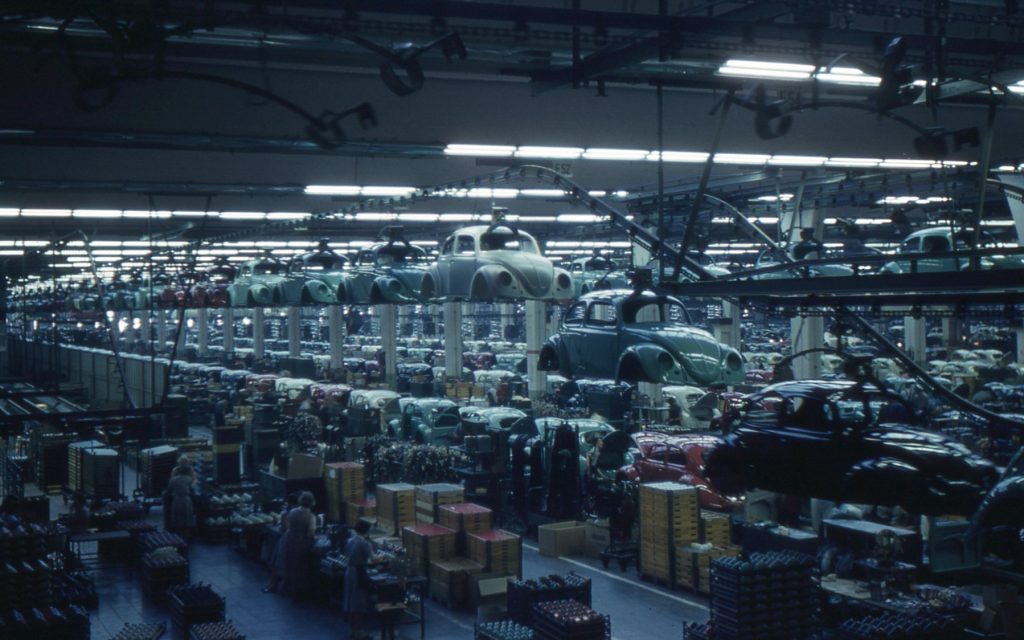
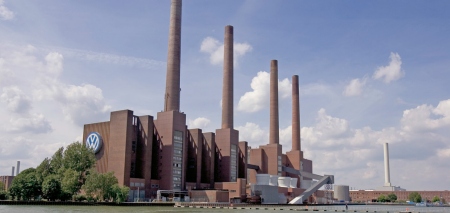
Volkswagen has plunged deeper into the red, reporting a €5.9 billion ($6.6 billion) operating loss for the third quarter of 2026 — its worst quarterly result in more than a decade. The loss, reported on Thursday, October 29, was driven by around €8 billion in one-off charges, largely linked to a writedown on the value of the group’s stake in sports-car maker Porsche. It is the company’s largest quarterly deficit since the fourth quarter of 2015, when it booked major costs related to the “Dieselgate” emissions scandal. Revenue fell 6% in the quarter to €75.3 billion, as the world’s second-largest carmaker battles fierce competition in China, billions of euros in annual tariff costs, and the expensive transition to electric vehicles in Europe.
Porsche writedown and China collapse
Reports put the impairment on Volkswagen’s Porsche stake at about €6.4 billion, booked after the subsidiary’s outlook for future performance deteriorated. Porsche, like its parent, is struggling in China, once a reliable profit centre for the group. Sales in China tumbled sharply, with reports putting the group’s deliveries there down by more than a third in the quarter to about 406,000 vehicles, as local electric-vehicle makers take market share with aggressive pricing. Worldwide deliveries also fell, by more than 14% to about 1.89 million vehicles, according to reports of the results. The scale of the problem was flagged in advance. In September, Volkswagen warned of €10 billion in one-off costs for the year and slashed its 2026 profit-margin forecast to a maximum of 1%.
“We cannot afford to lose any time”
Finance chief Arno Antlitz struck an urgent tone as the results were presented. “The nine-month results make one thing clear: we cannot afford to lose any time. We must act quickly and decisively,” he said, adding that the group’s operating return on sales after nine months, excluding special items, was just 3.8%. “That is not enough in the long term,” he said. Volkswagen’s restructuring plan, agreed by the board in September, envisages cutting around 100,000 jobs across the group, which includes the Audi and Porsche brands, with up to four plants in Germany facing closure. The plan has drawn fierce opposition from unions, with strikes possible from early next year. Investors, however, took the grim numbers largely in stride. Shares initially fell about 2% after the report, then pared losses, after the September warning had already prepared the market for a heavy hit. The shares have lost more than three-quarters of their value since a 2021 peak.
A warning sign for the sector
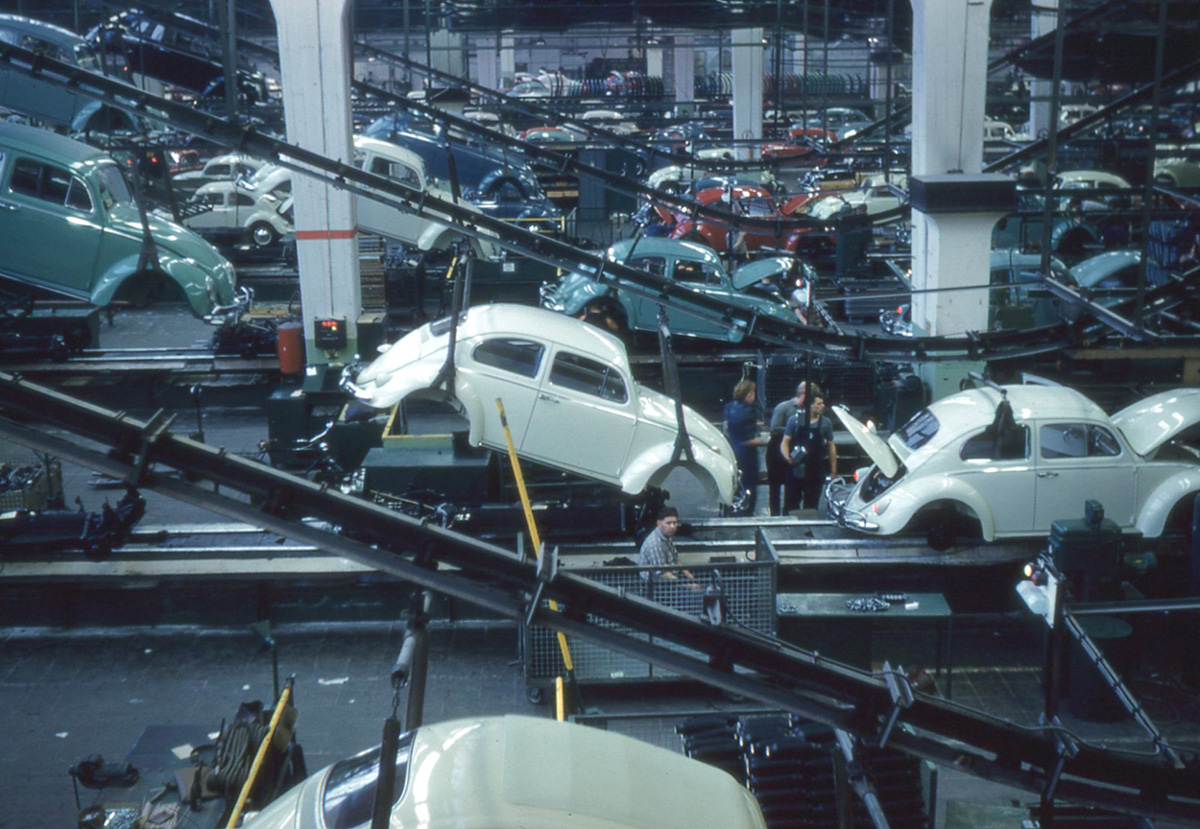
Volkswagen’s troubles are increasingly read as a warning for the whole European auto industry. BMW and Mercedes have also cut their annual targets because of weakness in China, and one Volkswagen investor, Union Investment’s Moritz Kronenberger, called the loss “a warning sign for the entire sector and industry, and should also serve as one for policymakers.” For Volkswagen, the question now is speed: whether a restructuring fought over with unions can be implemented fast enough to restore profitability while Chinese rivals keep gaining ground in Europe and the group’s former stronghold in China keeps shrinking.
Frequently asked questions
How big was Volkswagen’s Q3 2026 loss? An operating loss of €5.9 billion ($6.6 billion), driven by about €8 billion in one-off charges, mostly a writedown on its Porsche stake.
Why did Volkswagen lose money? A Porsche writedown, collapsing sales in China, US tariff costs, and the costly shift to electric vehicles, on top of restructuring charges.
What happens next? A restructuring plan involving around 100,000 job cuts and up to four German plant closures, which unions oppose and which could trigger strikes from early 2027.