The United States government shutdown is on track to become the longest in American history after the Senate failed for a 14th time to pass a temporary funding bill.
The Senate voted 54–44 on Tuesday on the House-approved “clean” continuing resolution, which would have funded the government at current levels through 21 November. The measure needed 60 votes to overcome a filibuster and advance, so it fell short and the shutdown continued.
With that failure, the shutdown — already in its 35th day — is set to surpass the 35-day record set during the 2018–2019 shutdown. If it is still running when the next day begins in Washington, it will stand alone as the longest federal shutdown in US history.
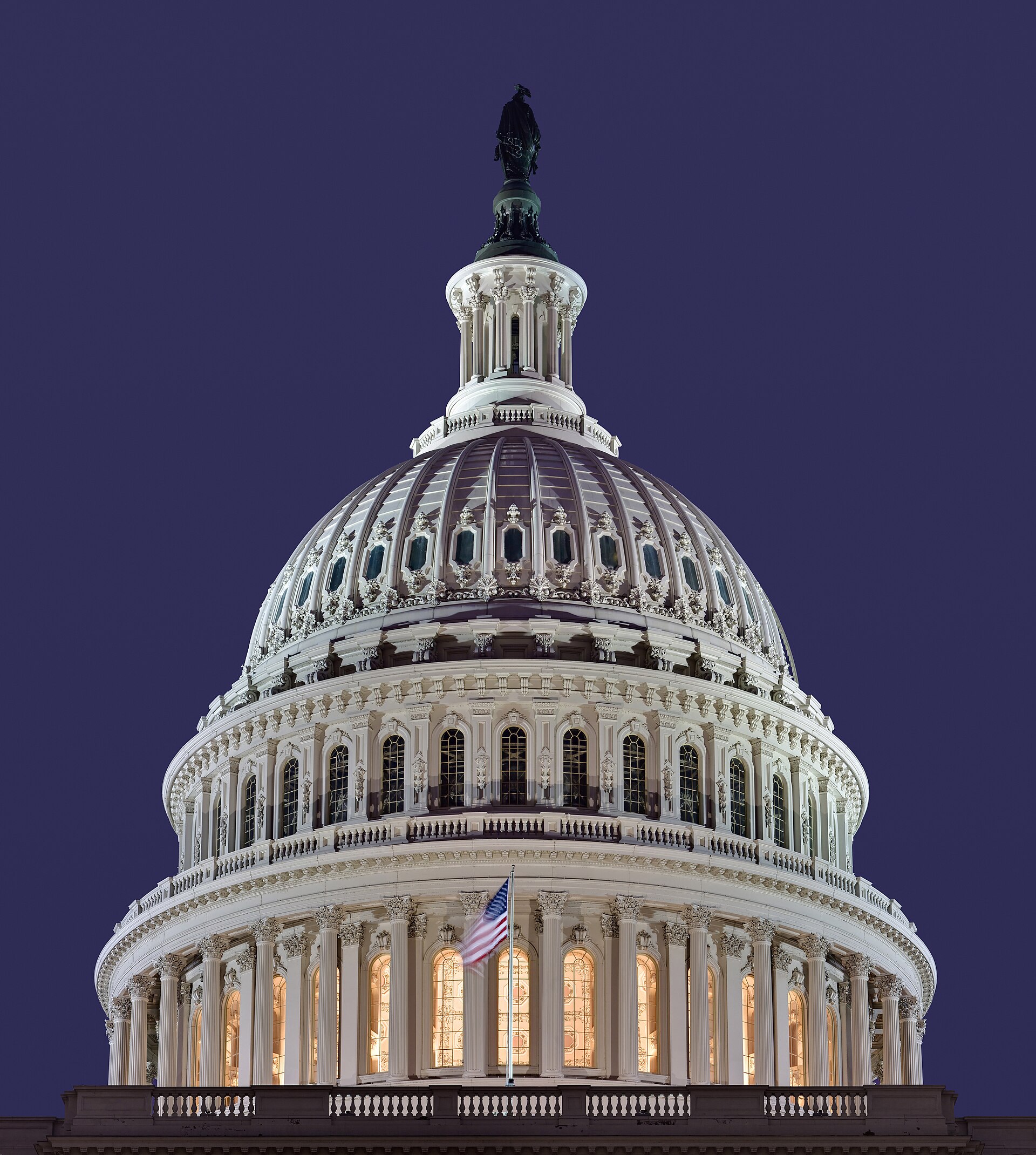
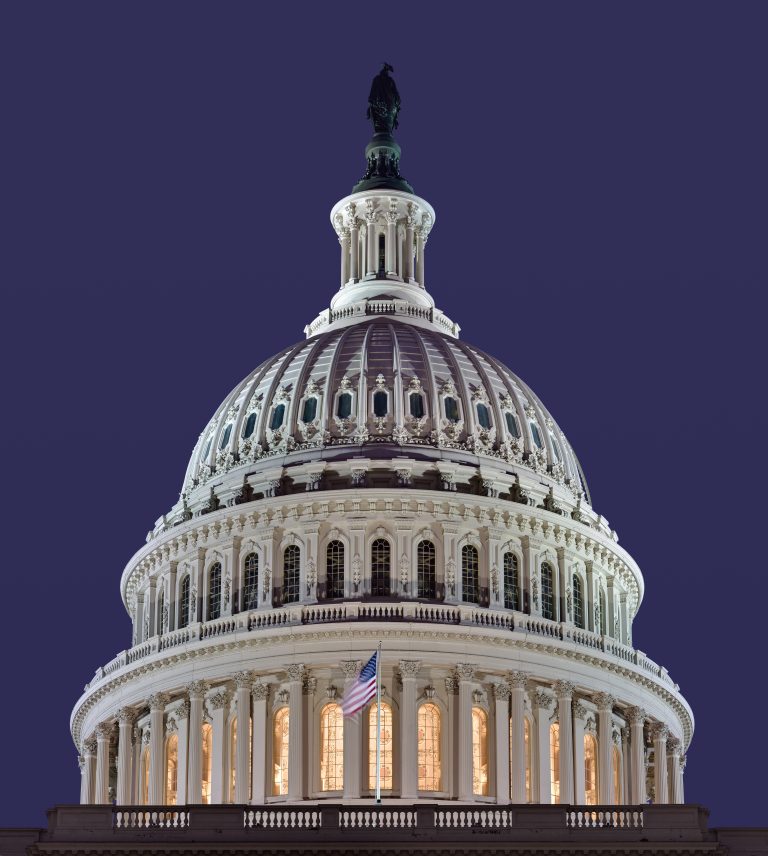
FILE PHOTO: The dome of the United States Capitol in Washington. This is a generic file photo, not a photograph of the Senate vote.
What the Senate voted on
A continuing resolution is a short-term spending measure that keeps the government funded at existing levels while Congress negotiates full annual spending bills. The bill at issue here had already passed the House and would have kept federal funding flowing through 21 November.
Its failure does not settle the underlying dispute. Reports of the standoff point to a central disagreement over health-care subsidies: Democrats have sought an extension of Affordable Care Act tax credits, while Republicans have refused to include that extension in the funding bill. Until that gap is bridged, or another compromise is found, further Senate votes face the same 60-vote hurdle.
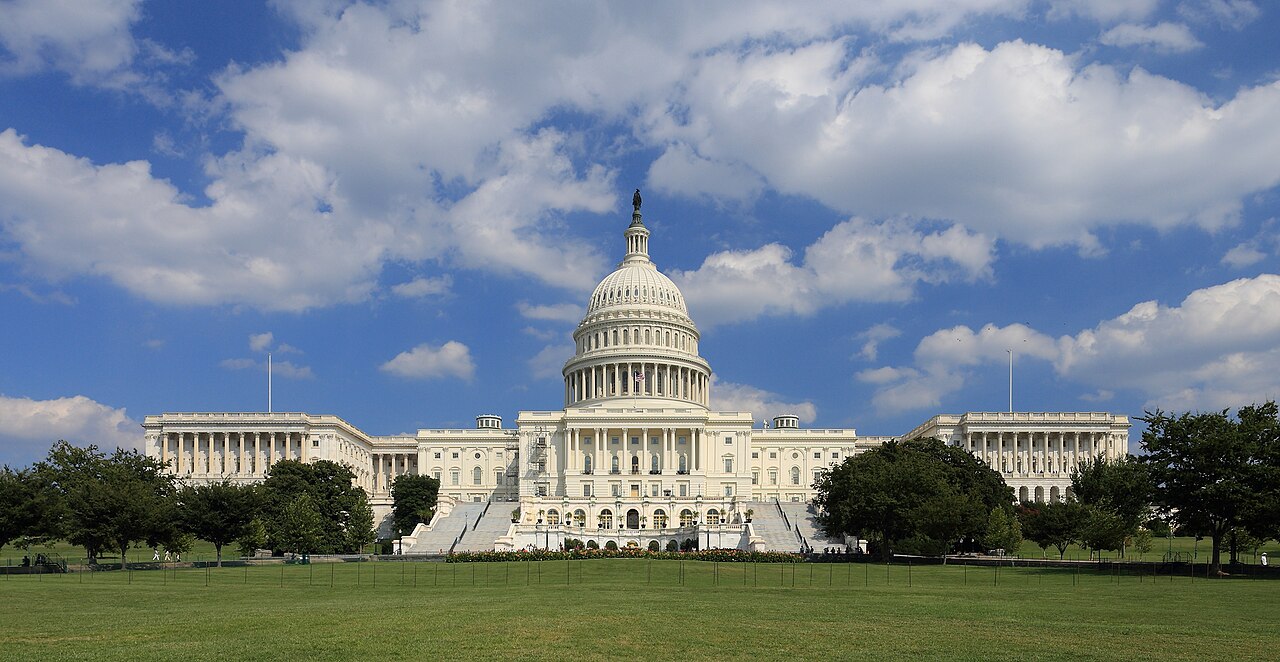
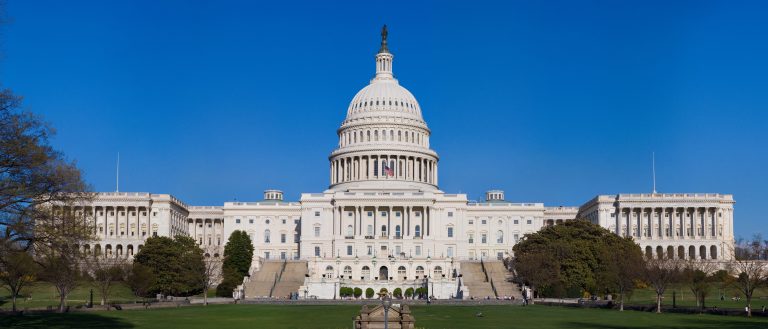
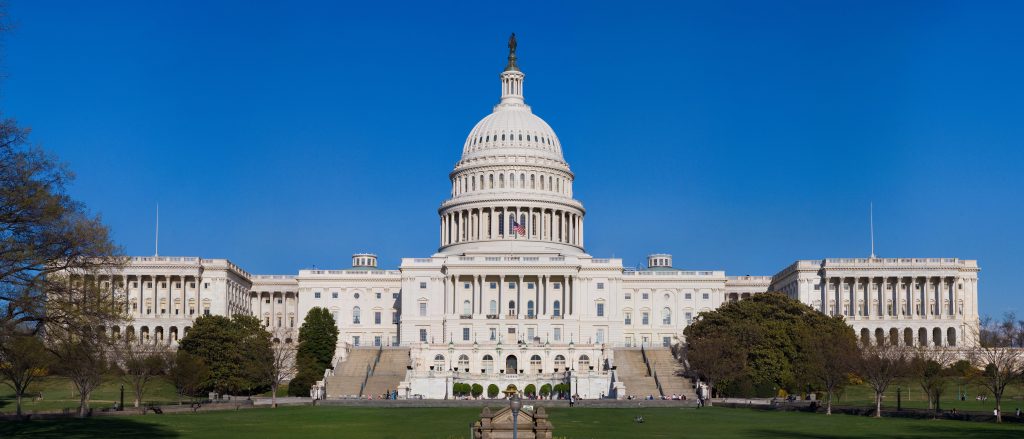
FILE PHOTO: The US Capitol in Washington, D.C. This is a generic file photo, not a photograph of the Senate vote.
Why the record matters
The 2018–2019 shutdown, also during Donald Trump’s presidency, lasted 35 days and had stood as the longest on record. The current shutdown has now matched that length, and each further day extends it.
The economic stakes are also rising. The Congressional Budget Office has estimated that an eight-week shutdown could cost the US economy $14 billion, according to recent reporting of its analysis. That figure is an estimate for a longer shutdown, not a final tally of damage so far.
The political backdrop has shifted since the shutdown began. Democrats swept Congress in the midterm elections, a result that has already moved markets — Wall Street opened higher on the Democrats’ sweep and gold reclaimed $4,000 as the dollar dropped — but the funding impasse in the Senate has not yet been broken. The Senate result itself, including Pete Ricketts’s Nebraska Senate win, underlines how closely the chamber’s balance is being watched.
What happens next
Two clocks are now running. The first is the record itself: the shutdown becomes the longest in US history as soon as it outlasts 35 days. The second is the funding deadline in the failed bill — even if a version of it eventually passes, it would only fund the government through 21 November, meaning Congress would need another agreement soon afterwards.
For now, no resolution is in sight. The Senate can vote again, and negotiators can keep talking, but the 14th failure shows how far apart the two sides remain. Unless a deal is reached, the shutdown will keep setting a new record with each passing day.
Frequently asked questions
How long was the previous longest shutdown?
The 2018–2019 shutdown lasted 35 days, the previous record.
Why did the latest bill fail if most senators voted for it?
The vote was 54–44 in favour, but Senate rules required 60 votes to overcome a filibuster and advance the bill.
What would the bill have done?
It would have funded the government at current levels through 21 November under a “clean” continuing resolution passed by the House.
Sources
- Xinhua — “U.S. gov’t shutdown set to break record as Senate again fails to pass funding bill”
- Livemint — “US Government shutdown set to become longest in history as Senate blocks Funding Bill for 14th time”
- Global Times — “US gov’t shutdown set to break record as Senate again fails to pass funding bill”