A United Nations inquiry has concluded that Russian authorities committed war crimes and crimes against humanity through sustained attacks on Ukraine’s energy infrastructure, finding the strikes were carried out deliberately under a state policy to deprive civilians of electricity and other essential services.
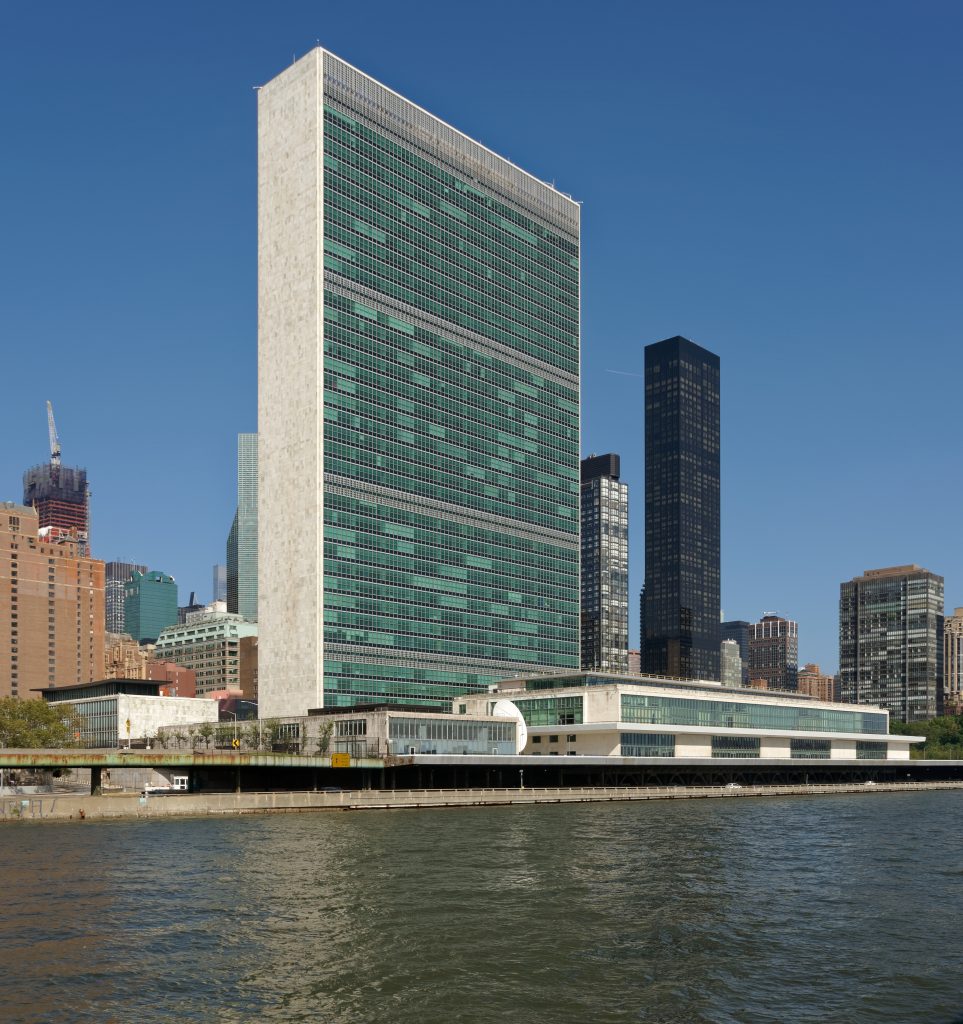
The Independent International Commission of Inquiry on Ukraine presented its findings on Monday, 26 October 2026, in a report submitted to the United Nations General Assembly. The commission said Russian forces intentionally directed attacks against civilian objects, which amounts to war crimes, and that the severe suffering inflicted on civilians amounts to crimes against humanity in the form of other inhumane acts.
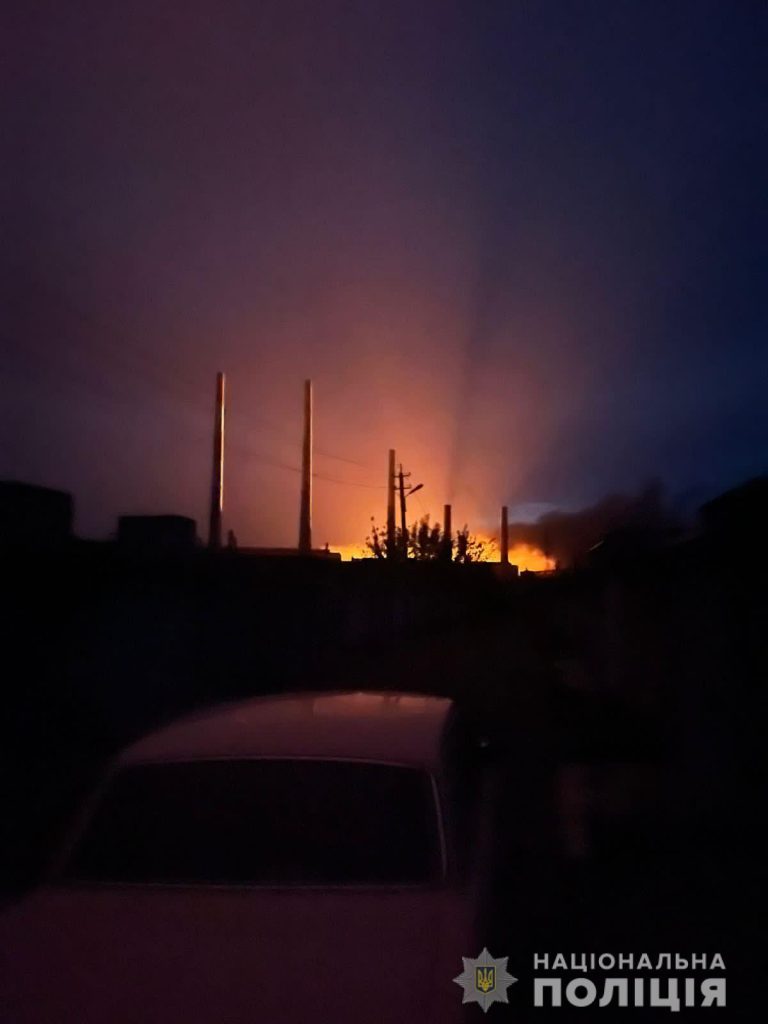
According to the commission, the waves of attacks were carried out “with intent and pursuant to a state policy to deprive the civilian population of electricity and other essential energy-dependent services and cause suffering.” It said commanders ordering the strikes knew that the heating facilities they targeted in large civilian areas were indispensable to the population, particularly in winter.
A winter of outages, documented since autumn 2022
The report examines the cumulative effect of large-scale attacks on Ukraine’s energy infrastructure since autumn 2022, with particular attention to the severe winter of 2025–2026. Over that period, the commission said, systematic waves of attacks involving hundreds of drones and missiles at a time became more frequent, more intense and more geographically widespread, hitting power stations, heating plants, gas facilities and electricity networks.
During last winter, temperatures fell to minus 21 degrees Celsius in some areas while millions of people faced lengthy outages of heating, electricity, water and gas and what the commission called intolerable living conditions. Its findings draw on accounts from 255 people who endured those conditions in Dnipro, Kyiv, Kharkiv, Kherson, Mykolaiv, Odesa, Poltava, Zaporizhzhia and Zhytomyr oblasts, as well as information from Ukrainian authorities, doctors and non-governmental organisations.
Older people and people with reduced mobility faced particular danger, the commission said, when power cuts left them trapped in lifts or unable to reach shelter during air raid alerts. Families described disrupted schooling and children falling ill in homes without heat.
Commission chair Erik Møse warned that as a new cold season sets in, the attacks have intensified again, raising serious concern for civilians’ lives and health.
Men from 29 countries trafficked to the front lines
The same report found compelling evidence that Russian authorities trafficked men from 29 countries into the Russian armed forces. According to the commission, agents or agencies operating in different countries, sometimes posing as legitimate or government-endorsed businesses, arranged visas and travel for the men, sometimes travelling with them. Soon after arrival, the men were forced to sign contracts in Russian with the Russian Ministry of Defence, then deployed to frontline positions in Ukraine and assigned dangerous tasks.
Many have been killed or have gone missing, the commission said, while others surrendered or were captured and acquired the status of prisoners of war. It called for all trafficked people to be discharged from Russian forces.
Russia rejects the commission’s mandate
Russia’s mission to the United Nations said on Monday that Russia does not recognise the commission’s mandate and claimed its findings were based on falsified data, according to AP-derived reporting. Commission chair Erik Møse said Russia has not responded to requests for comment on any of the commission’s reports, including this one. Moscow has consistently said its forces strike only military or military-related targets.
The commission itself noted a limit on its work: it also examined Ukrainian attacks on energy infrastructure in Russia and in Russian-occupied areas, but could not investigate their impact further because Russia did not allow it access or respond to its requests.
What the findings are — and are not
The commission’s conclusions are findings by an independent UN-mandated investigative body, not a verdict by an international criminal court. They do not convict any individual or impose a sentence, but they create an official international record that can inform accountability efforts.
CNN, reporting on the report, says it identifies President Vladimir Putin, former defence minister Sergei Shoigu, his successor Andrey Belousov and Chief of the General Staff Valery Gerasimov as most responsible for planning and overseeing the attacks. That attribution comes from CNN’s account of the report, not from the commission’s public press summary.
The timing matters for civilians in Ukraine. With winter approaching again and attacks reported to be intensifying, the commission’s central warning is that the energy system civilians depend on for warmth, water, healthcare and daily life is once again under systematic strain.
Why this matters
The report reframes the energy war as an accountability question, not only a military one. By classifying the attacks as both war crimes and crimes against humanity, the commission places them in the most serious categories of international law — and by documenting the trafficking finding alongside them, it links the treatment of Ukrainian civilians with the treatment of foreign nationals drawn into Russia’s war effort.
What happens next will depend on whether states act on the record the commission has compiled, and on how the coming winter unfolds for the millions of Ukrainians whose heating and power the report says were deliberately targeted.
Frequently asked questions
What did the UN commission actually conclude? That Russian attacks on Ukraine’s energy infrastructure were war crimes (intentionally directing attacks against civilian objects) and crimes against humanity (other inhumane acts), carried out under a state policy to deprive civilians of essential services.
When was the report published? On 26 October 2026, submitted to the UN General Assembly. News coverage followed on 26–27 October.
Is this a court conviction? No. The commission is an investigative body mandated by the UN Human Rights Council; its findings are not a court verdict.
What did it find about foreign fighters? Compelling evidence that men from 29 countries were trafficked through deception and coercion into Russia’s armed forces and deployed to frontline fighting.
What has Russia said? Its UN mission said Russia does not recognise the commission’s mandate and called the findings based on falsified data; the commission says Russia has not responded to its requests for comment.
Sources
UN OHCHR press release, 26 Oct 2026
CNN, 26 Oct 2026
Arab News (AP-derived), 26 Oct 2026
Kyiv Independent, 27 Oct 2026
Interfax-Ukraine
Related Emadan coverage: Russia strikes Kyiv missiles blackout and Russia breaks Ukraine energy ceasefire.