The Trump administration has promised American farmers more than $15 billion in payments, loans and other support in the weeks before the midterm elections, according to a tally of US Department of Agriculture (USDA) announcements reported by the Associated Press (AP) on November 1.
The package is aimed at producers facing sharply higher diesel and fertiliser costs. Farmers have largely blamed those higher costs on the administration’s tariffs and the war in Iran, the AP reported, and the timing — days before voting on November 3 — has put the promises at the centre of the campaign in rural states where traditionally Republican seats are now competitive.
What is in the package
The largest single item is an $8 billion one-time payment programme for farmers hit by soaring diesel prices. The USDA has said it will release further details this month, but has not said when farmers will actually receive the money.
The rest of the tally reported by the AP includes at least $5 billion in guaranteed loans for ranchers and fishermen, $1.8 billion for producers and landowners enrolled in conservation programmes, $573 million for fertiliser manufacturing projects and $57 million to expand meat processing capacity.
The USDA has also announced smaller measures, including the purchase of up to $472.5 million in agricultural commodities to support producers and supply charitable programmes, the expansion of sales of a diesel type normally restricted to off-road use, greater transparency in cattle sale data and stronger wolf management policies to protect livestock.
Those figures are separate from $13.8 billion in safety-net payments the USDA plans for eligible farmers for the 2025 crop year, covering shortfalls for producers of key crops including corn, soybeans, wheat and rice. That safety-net money is part of existing programmes, not new midterm-season promises.
Why farmers are under pressure
Diesel has been the sharpest pressure point. On Friday, the average US diesel price stood at $6.32 a gallon, according to motor club AAA figures cited by the AP — slightly below its September peak, but about 70% higher than a year earlier.
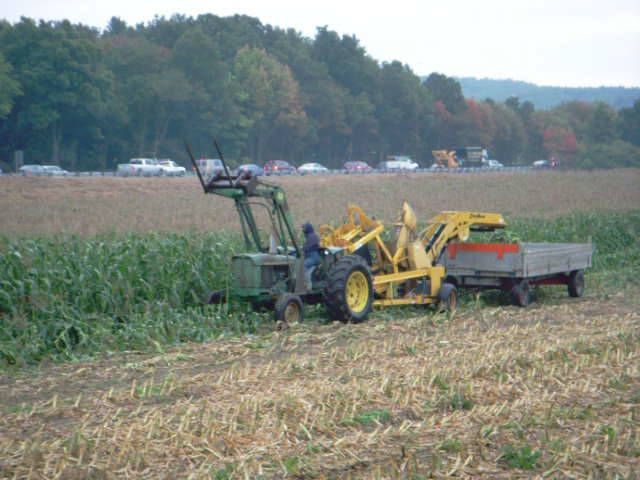
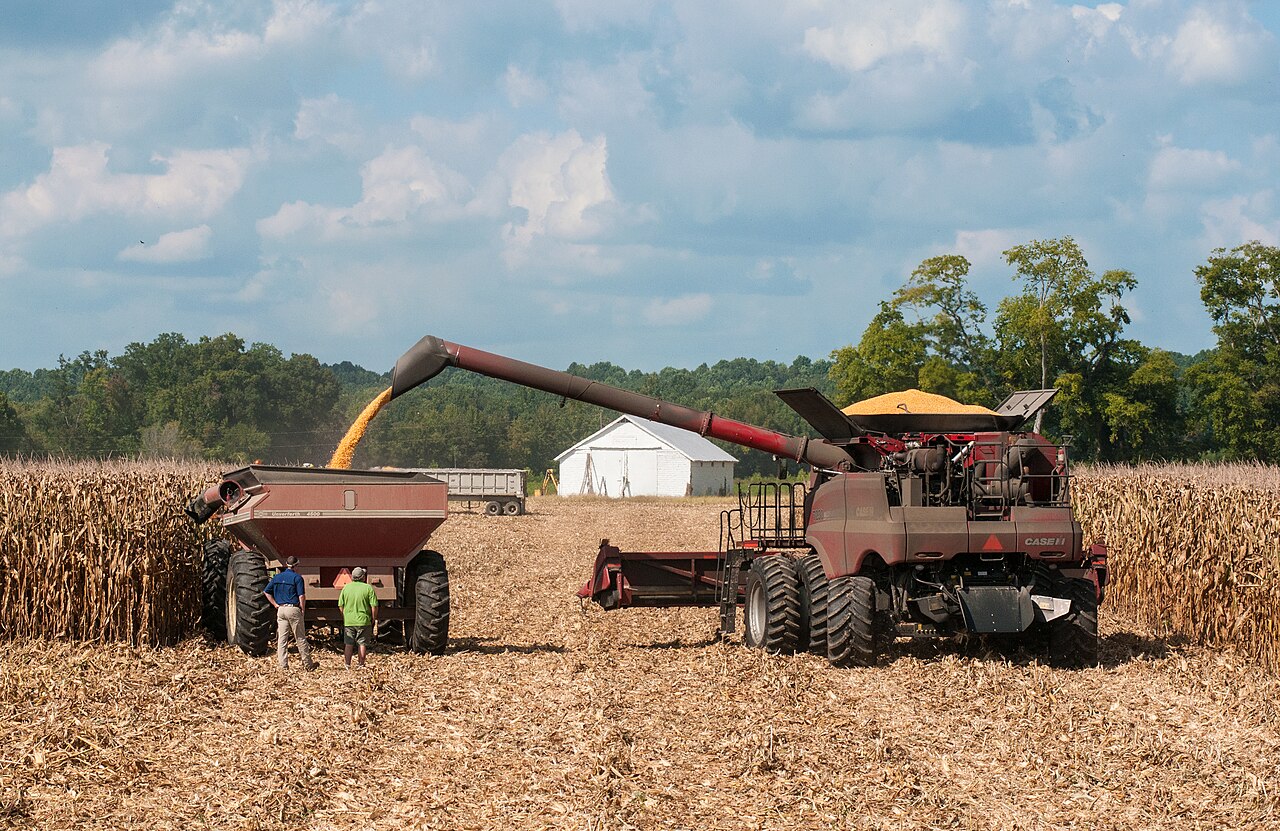
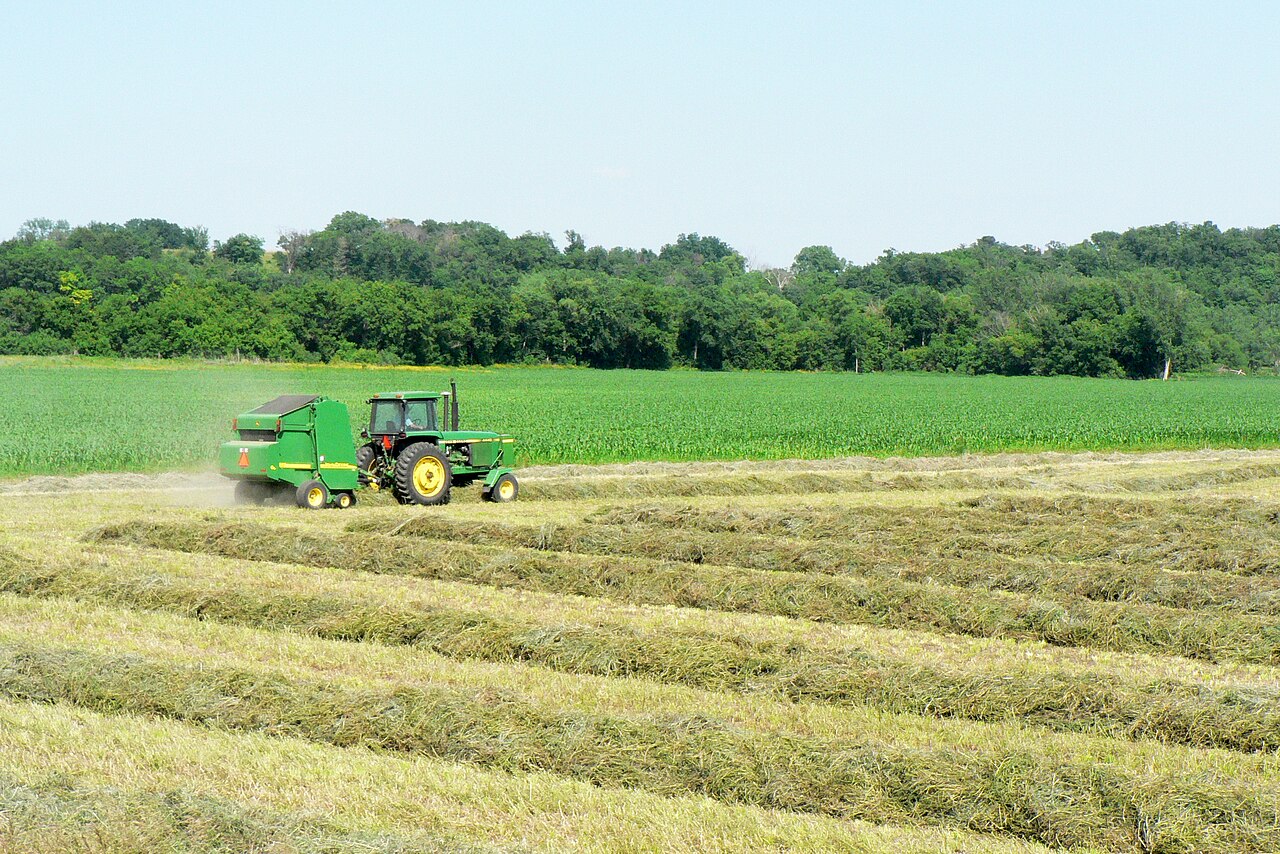
Farmers use diesel for trucks, tractors and combines, so a price rise of that size feeds directly into harvest costs. Tariffs imposed last year also raised the cost of agricultural equipment, the AP reported, while the trade war with China led to a near boycott of US agricultural goods.
President Donald Trump was scheduled to visit Iowa and Kansas on Sunday, two days before the election, as he stepped up his focus on rural voters, the AP reported.
What is still unclear
The most important unknown is timing. The USDA has said details of the $8 billion diesel relief programme will come this month, and that payment rates for major crops will be announced in November, but it has not specified when payments will reach farmers or when the application period will open.
A Reuters report in late October added to that uncertainty, saying the $8 billion diesel aid would be disbursed after the November 3 election, with a USDA official saying it would be close to the end of the year. That timing matters for farmers deciding how much credit they can take on for next spring.
Reaction has been mixed. Gregg Ibendahl, a farm management specialist at Kansas State University, estimated the payments could more than cover the increase in fuel costs and help with high fertiliser prices, according to the AP. But he also cautioned that temporary government payments do not solve the wider problems driving up production costs.
Alexandra Middlewood, an associate professor of political science at Wichita State University, said farmers had expressed mixed reactions — welcoming support that could keep businesses afloat, while viewing the programmes as one-time help rather than a long-term solution.
What to watch next
Three things will determine whether the $15 billion in promises turns into money in farmers’ accounts: the USDA’s detailed payment rates for major crops, expected in November; the opening of the application window, which has not yet been announced; and the outcome of Tuesday’s midterms, which will shape farm policy in Congress.
Until those details arrive, the package should be read for what it is: a large set of promises made just before an election, with the largest payment still without a delivery date.
Frequently asked questions
How much has been promised to US farmers?
More than $15 billion in payments, loans and other initiatives announced by the USDA in the weeks before the midterms, according to the AP’s tally. That is separate from $13.8 billion in planned 2025 safety-net payments.
What is the biggest part of the package?
An $8 billion one-time payment programme for farmers facing higher diesel prices, known as the Harvest Fuel Relief programme. Details and payment rates are expected in November.
When will farmers receive the money?
That is not yet clear. The USDA has not specified payment timing, and a Reuters report said the $8 billion diesel aid would arrive after the election, close to the end of the year.
Sources
- Associated Press via CNBC TV18: https://www.cnbctv18.com/world/trump-administration-promises-us-farmers-15-billion-in-the-weeks-before-the-midterms-20024499.htm
- FirstPost: https://www.firstpost.com/world/united-states/trump-announces-15-billion-in-farm-aid-ahead-of-midterms-as-tariffs-iran-war-drive-up-costs-14056974.html
- The Manila Times (AP): https://www.manilatimes.net/2026/11/02/world/americas-emea/trump-administration-promises-us-farmers-15b-in-the-weeks-before-the-midterms/2459078
- Reuters via Astro Awani (diesel aid timing): https://international.astroawani.com/politics-news/trump-administrations-us8-billion-diesel-aid-farmers-arrive-after-election-official-says