For years, Iran’s Islamic Revolutionary Guard Corps paid the bills for its proxy network across the Middle East. Now, the money is flowing in the opposite direction — and Washington says that is the point.
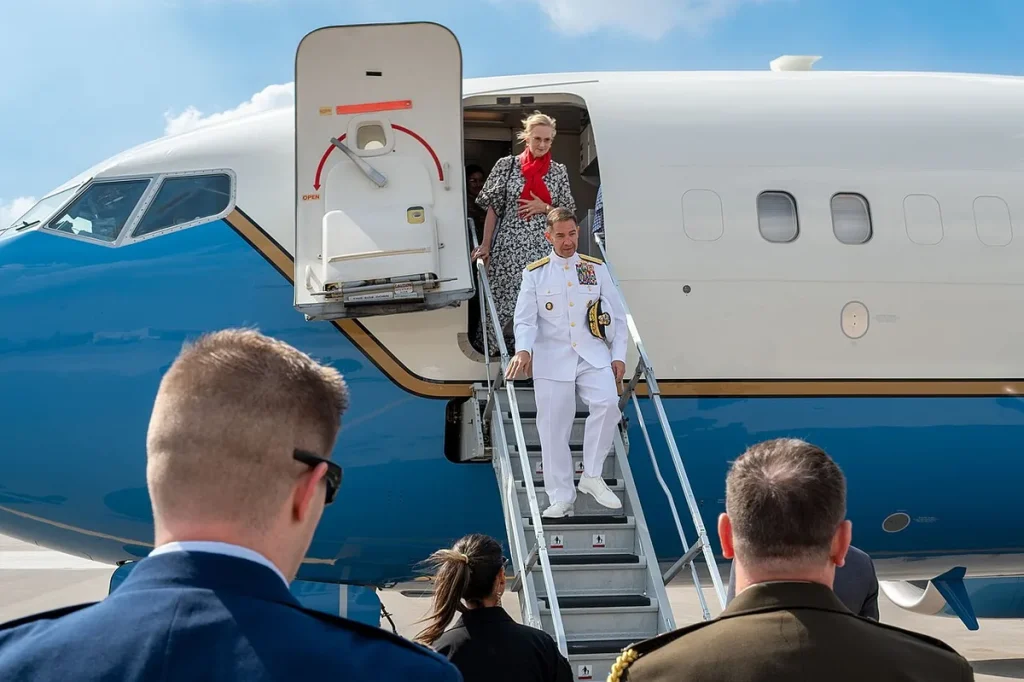
Adm. Brad Cooper, the commander of US Central Command (CENTCOM), said Friday that the IRGC cash crunch has become severe after nine months of war, with Iran-backed militias — including Hezbollah, Hamas and Shia militias in Iraq — reportedly withholding their own fighters’ pay to funnel money back to the IRGC, which is itself not paying its troops. Cooper made the claims in a recorded video message, according to reports from Axios cited across multiple outlets.
“The Islamic regime is clearly feeling the economic pain and the IRGC is increasingly showing signs of greater desperation as a result,” Cooper said.
KEY TAKEAWAYS
- CENTCOM chief Adm. Brad Cooper says Iran-backed militias are withholding fighters’ pay to send money back to the IRGC, which is not paying its own troops.
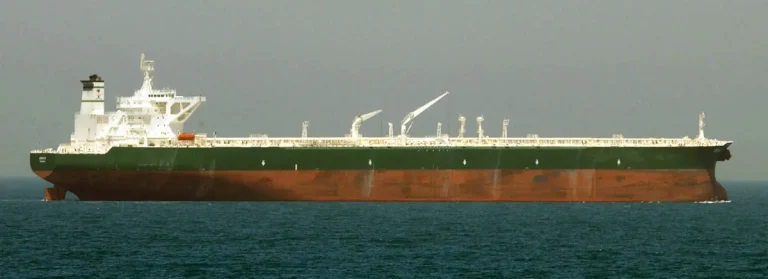
- The US naval blockade has cost Iran at least $25 billion in crude oil exports; CENTCOM and the Treasury also helped freeze nearly $350 million in Iranian cryptocurrency.
- Tehran is withholding salaries, pensions and benefits from public-sector workers, including internal security forces, Cooper said.
- About 400 ships carrying roughly 100 million barrels of crude crossed the Strait of Hormuz in the past week, while more than 20 civilian mariners have been killed in shipping attacks since February.
The pressure, Cooper said, comes from three directions: the naval blockade on oil exports, action against digital financing, and Tehran’s growing inability to pay its security forces. Beyond the $25 billion in blocked crude exports, US forces working with other government agencies helped freeze nearly $350 million in cryptocurrency assets tied to Iran, restricting Tehran’s ability to finance armed groups or rebuild weapons infrastructure.
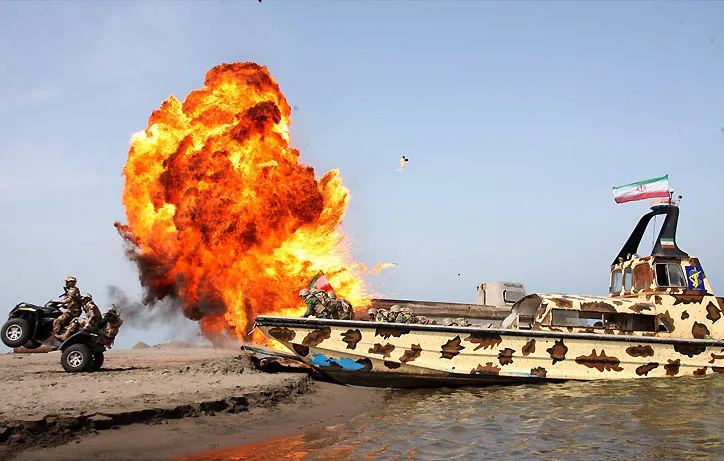
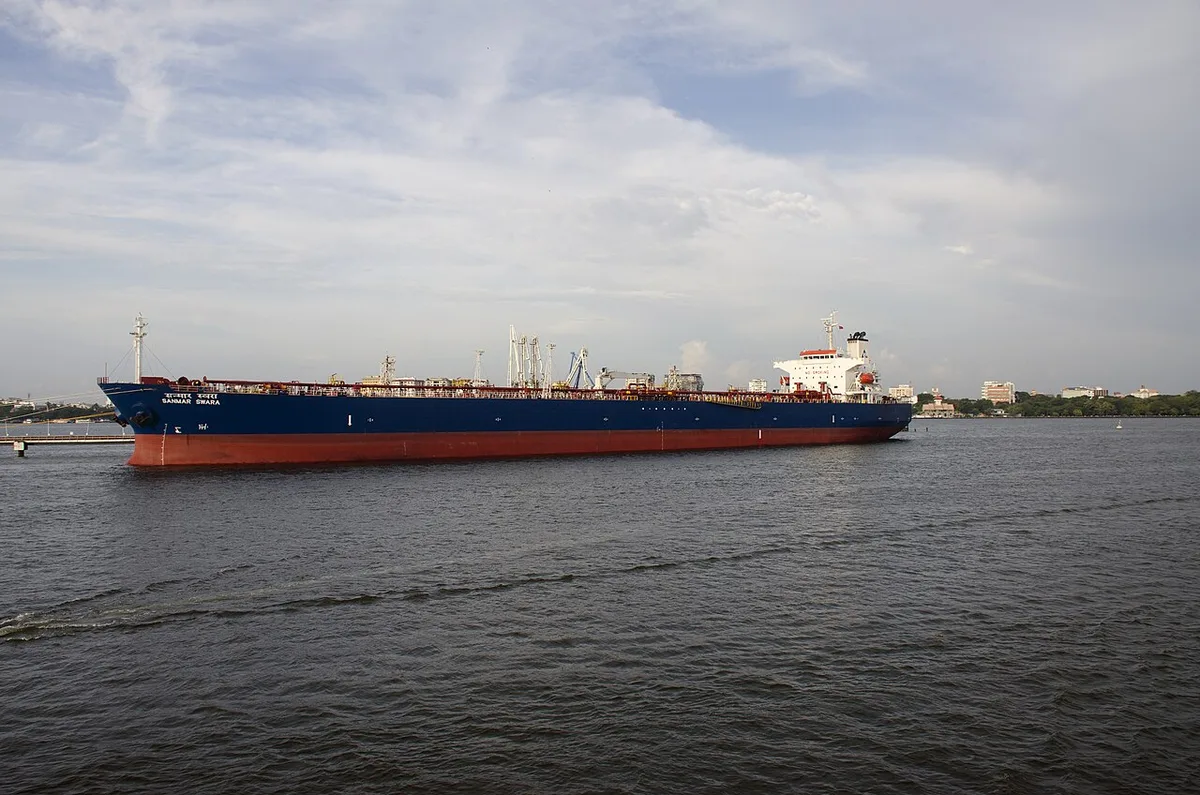
The Strait of Hormuz remains the sharp end of the confrontation. Cooper said nearly 400 commercial vessels crossed the strait in the past seven days, moving about 100 million barrels of oil — and insisted the waterway is “controlled by the United States and our regional partners, not Iran.” Iran effectively closed the strait after US and Israeli attacks on Iran on February 28, and Cooper said Iranian attacks on commercial shipping have killed more than 20 civilian mariners since then, citing International Maritime Organization figures.
The oil market is already pricing in the risk. Brent crude rose 3.7 percent to settle near $110 a barrel on Friday — its highest since May — with analysts pointing to the Hormuz attacks, Houthi missile fire toward Saudi Arabia, and the escalating tit-for-tat strikes between Ukraine and Russian energy infrastructure.
Washington’s stated aim, per US officials, is to use the financial squeeze to push Iran toward a deal that includes concessions on its nuclear program — a deal that has not materialized. Meanwhile, Cooper tied a sharp rise in Iranian attacks on ships to what he described as the regime’s desperation, a dynamic that keeps the world’s most important oil artery one incident away from a wider disruption.
Sources: Al Arabiya, The Times of Israel, Shafaq News, Times Now — reporting Adm. Brad Cooper’s CENTCOM video message of October 16, 2026; oil price data via Times Now.