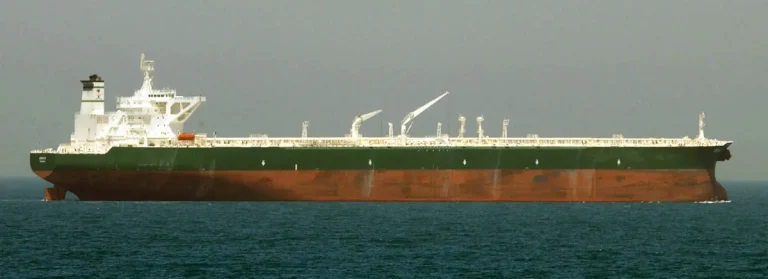

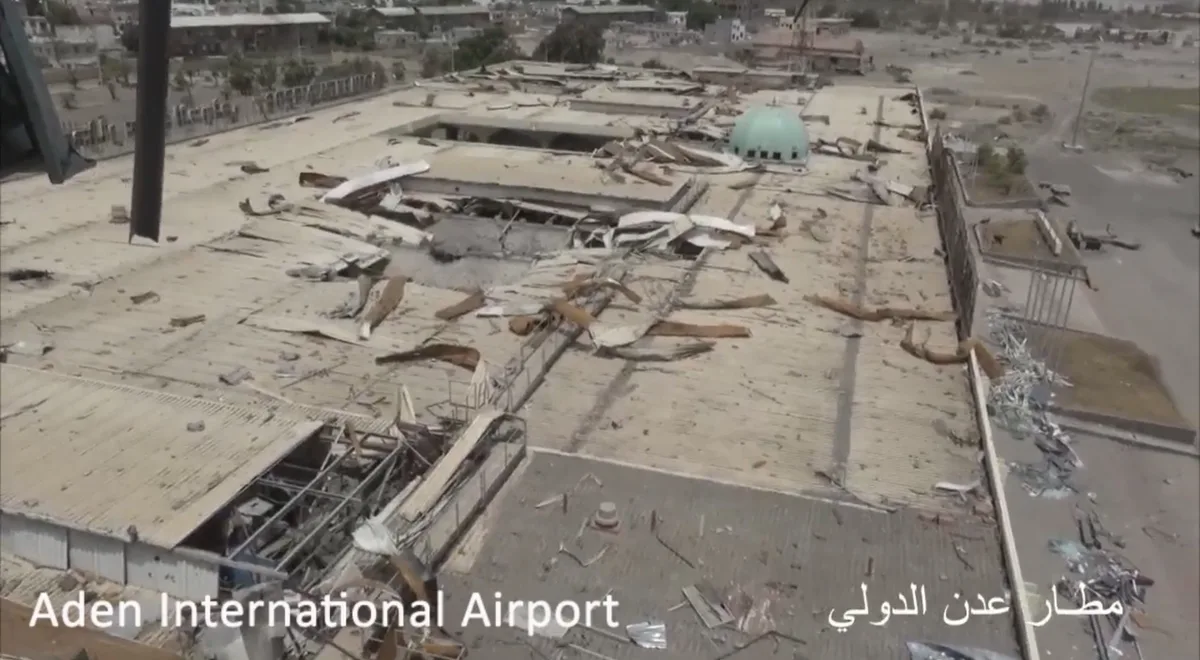
Ballistic missiles struck Aden International Airport on Friday night, landing inside the airport grounds as a Yemenia Airways flight bound for Cairo prepared for takeoff, Yemen’s Aden security administration said — the second attack on the facility in less than a week. Hours earlier, the Saudi-led coalition said it had intercepted a wave of drones and missiles over Saudi Arabia and the Red Sea.
Key Takeaways
- Two missiles landed inside Aden International Airport on Friday night; preliminary reports indicate no casualties.
- The Aden security department blamed the Houthis; Houthi-run media said the group targeted a Saudi forces headquarters near the airport.
- The Saudi-led coalition intercepted a ballistic missile headed for the oil hub Yanbu, two cruise missiles over the Red Sea, and four drones.
- Brent crude briefly touched $110 a barrel on Friday, its highest since May, as the escalation rattled energy markets.
Two missiles land inside airport grounds
The Aden security administration said two missiles landed inside the grounds of Aden International Airport, with preliminary information indicating no casualties. A local security official told Xinhua that a third missile struck a military base near the headquarters of the Saudi-led coalition forces in the Al Buraiqa district of western Aden.
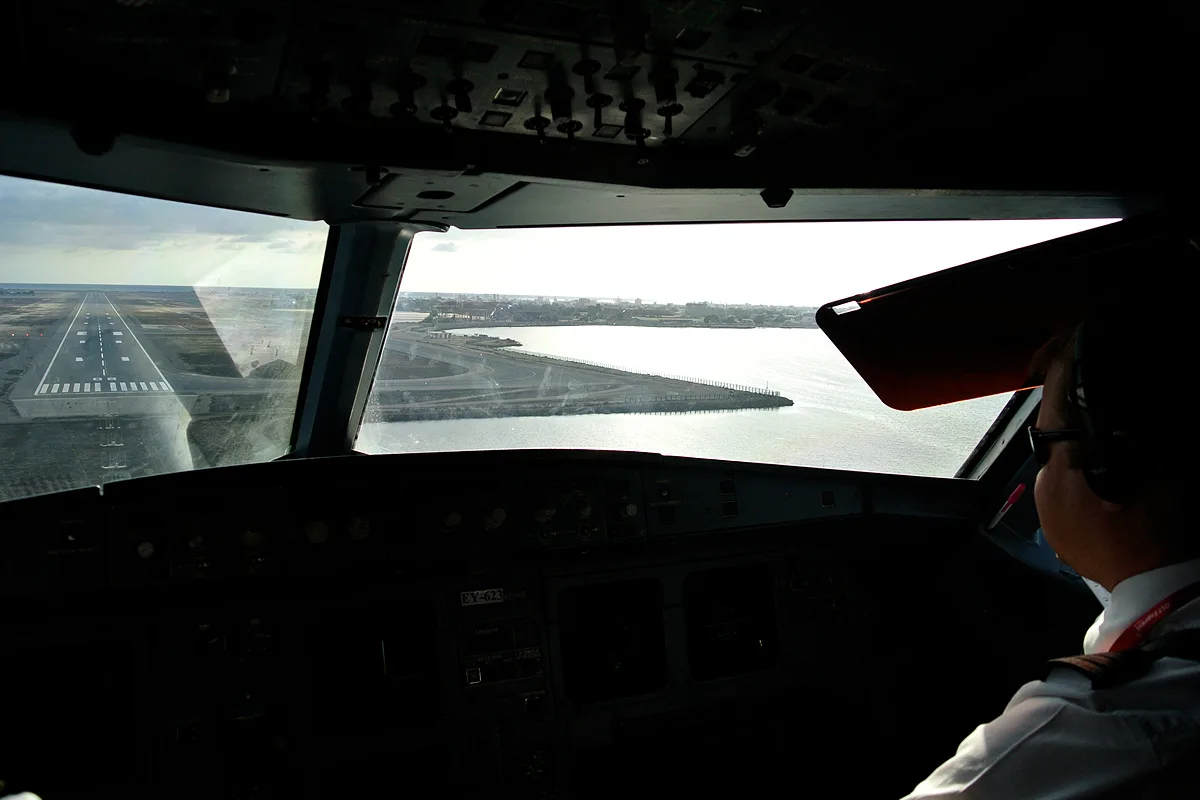
The Aden security department blamed the Iran-aligned Houthi group for the attack. Shortly after the strikes, Houthi-run al-Masirah TV cited a military leader within the group as saying it had targeted “the headquarters of Saudi forces and weapons depots” at the Badr military camp near the airport. Reuters noted the Houthis did not immediately claim responsibility through their usual channels.
Coalition intercepts drones and missiles over Saudi Arabia
Earlier on Friday, coalition spokesperson Turki Al-Maliki said coalition forces had intercepted and destroyed three drones over Saudi Arabia’s southern region and the Riyadh region, plus a fourth launched toward the Eastern Province. The forces also destroyed two cruise missiles over the Red Sea and a ballistic missile launched toward Yanbu, a port city on the Red Sea coast, he said.
Yanbu is a key outlet for Saudi oil exports, allowing the kingdom to ship crude to international markets via the Red Sea without passing through the Strait of Hormuz — a waterway largely throttled by Iran since the United States and Israel launched attacks on the country in February. The coalition did not identify those behind Friday’s launches.
Oil spikes as the escalation widens
With regional tensions raising fears of tighter global energy supplies, Brent crude briefly touched $110 a barrel on Friday, the first time since May. Saudi civil defence issued alerts in the Jazan region and the southwestern city of Khamis Mushait, and early on Saturday for Abha near the Yemeni border before an all-clear.
Also early on Saturday, Houthi-affiliated media reported strikes east of the northwestern city of Saada. The Saudi-led coalition said it had destroyed two ballistic missile launchers in the area.
Friday’s airport attack came a day after missiles struck the Al-Ma’ashiq presidential palace compound in Aden — the latest chapter in a fast-escalating exchange, which our earlier report covered here. Iran’s foreign ministry spokesperson Esmaeil Baghaei said Friday that Tehran was ready to help resolve differences between Saudi Arabia and the Houthis “if requested by both sides,” rejecting allegations of an Iranian role in Houthi operations. The coalition said Houthi attacks on Riyadh’s King Khalid International Airport have killed 17 people and injured more than 330 since October 1, across 20 attacks in two weeks. A full timeline of the escalation is available in our Saudi–Houthi escalation timeline.
Based on reporting by Reuters, CGTN, Xinhua and Al-Masirah.