October was a strange month for American stocks: the headline index barely fell, most stocks rose — and yet the month’s biggest names took a beating. Nowhere was that split clearer than in the S&P 500’s winners and losers list, where Intel’s collapse stood out against a market that, beneath the surface, was far healthier than the headlines suggested.
The S&P 500 slipped just 0.9% in October, according to Morningstar and MarketWatch analysis of FactSet data, even though 72% of the stocks in the large-cap benchmark rose for the month. The reason for the paradox is concentration: the index is about 40% weighted toward its ten largest stocks, so when those giants fall, they drag the index down even while most of its members advance.
Intel: the month’s worst stock
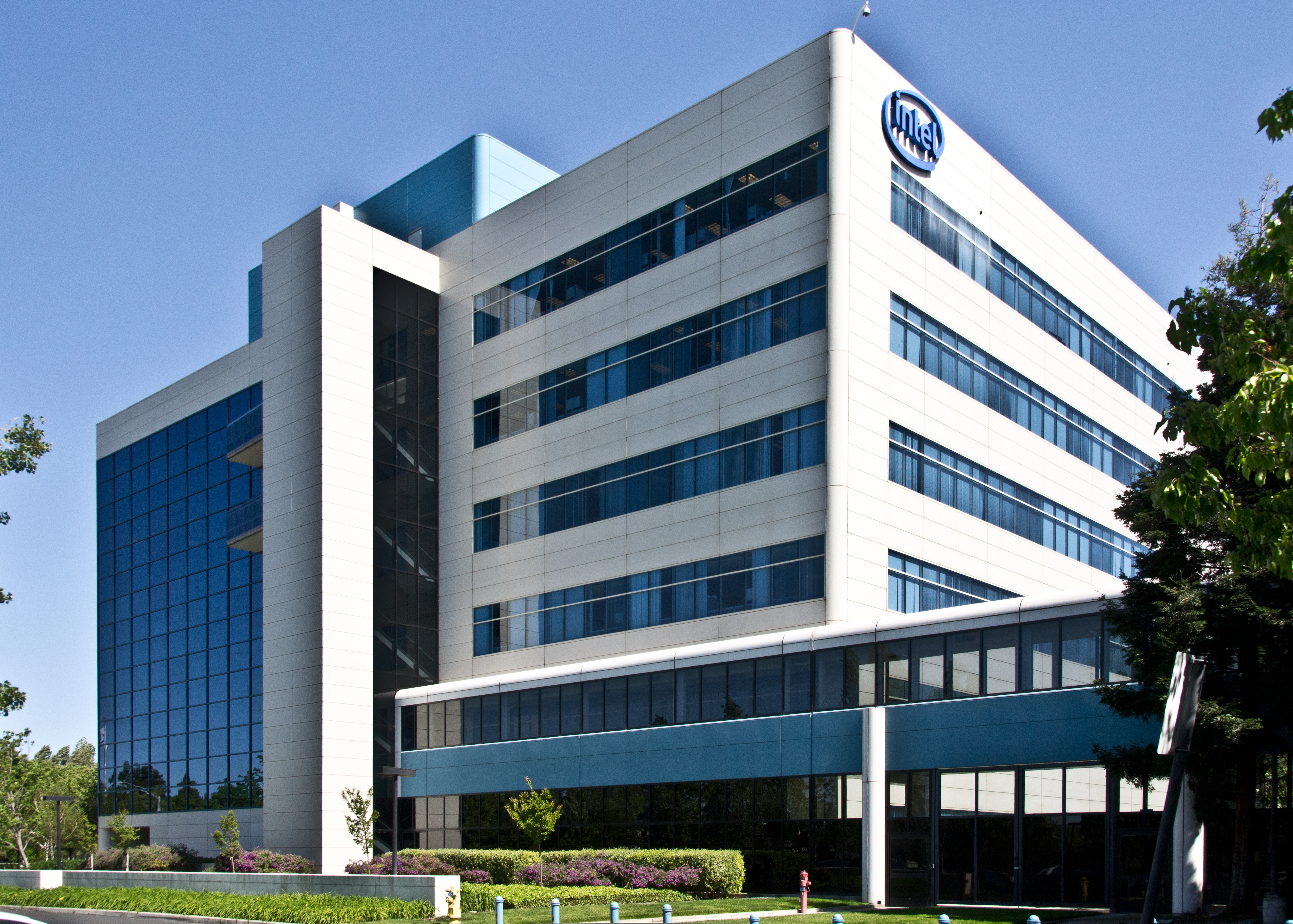
Intel was the worst-performing stock in the S&P 500 in October, falling 45.3%. The damage came overwhelmingly on the final day of trading. Shares plunged 29% on Friday 30 October to $65.58 after the chipmaker reported mixed third-quarter earnings and issued a disappointing outlook for the current quarter — fourth-quarter earnings of 25 cents per share on revenue of $15 billion to $16 billion, against Wall Street forecasts of 45 cents on $17.3 billion.
Before Friday, Intel had already fallen about 23% for the month. The final-day plunge made October Intel’s worst month on record, according to Dow Jones Market Data. The company also disappointed investors with its revenue forecast, in a month when concerns about artificial-intelligence spending and lofty valuations pressed hard on technology stocks.
The giants fell together
Intel was not alone. Among the S&P 500’s ten largest components, Alphabet dropped 18.7% in October, Meta fell 15.2%, Micron Technology fell 16.9%, Nvidia fell 10.4%, Broadcom fell 7.1% and Amazon fell 3.5%. All price changes in the Morningstar analysis exclude dividends.
The pattern was earnings-driven. Alphabet, Meta and Amazon all raised spending forecasts further as they race to expand AI infrastructure, and investors punished the reports that showed the cost arriving faster than the payoff. The Nasdaq Composite, more heavily weighted to technology, fell 5.30% in October — its worst month since March 2025 — while the S&P 500’s broader breadth cushioned its fall.
The winners told a different story
At the other end of the list, Accenture was the best-performing S&P 500 stock in October, surging nearly 40% in a month tracking toward its best monthly performance on record. The consulting firm kicked off the month with its largest single-day percentage gain ever on 1 October, after a fiscal fourth-quarter earnings report that analysts described as better than feared, with robust consulting revenue and bookings momentum. Right behind Accenture among the month’s best performers were PTC, Hasbro, Crown Castle and Equifax.
Reddit was October’s second-worst S&P 500 performer, falling 34%, with most of that loss also coming on Friday after weaker-than-expected third-quarter user growth. Teradyne, Twilio and Sandisk rounded out the five worst performers, as concerns about AI spending and valuations spread beyond the largest names.
Why this month matters — and why it does not
October’s split carries two lessons. First, an index level can mislead: a 0.9% monthly fall for the S&P 500 hides a month in which most stocks rose and a handful of giants fell sharply. Second, the market’s question has changed. Earlier in the year, the question was who could spend fastest on AI. After this earnings season, investors are demanding company-by-company evidence that the spending earns its keep — and punishing, swiftly, the companies that cannot show it.
That does not mean the AI trade has collapsed. Microsoft, for example, broke from the gloom with results showing AI spending starting to pay off. What has changed is the free pass: spending alone no longer lifts a stock.
This article reports market results only and is not investment advice.
Related coverage
Read Emadan’s related October market coverage: Nasdaq 100 Faces More Than $2 Trillion October Wipeout as AI-Spending Fears Deepen. That article covers the Nasdaq-100 value wipeout; this article is the separate S&P 500 stock-level month winners-and-losers picture.
Frequently asked questions
How much did Intel fall in October? 45.3%, the worst performance in the S&P 500, including a 29% fall on Friday 30 October alone.
How much did the S&P 500 fall in October? Just 0.9%, even though 72% of its stocks rose — because the index is heavily weighted toward its ten largest stocks, which fell.
Who was October’s best S&P 500 stock? Accenture, surging nearly 40% for the month after a strong fiscal fourth-quarter earnings report on 1 October.
How much did Alphabet fall? 18.7% in October, with Meta down 15.2% and Nvidia down 10.4% among the largest components.
Sources
- Morningstar / MarketWatch: “In a wild October for markets, these stocks were the biggest winners and losers” — https://www.morningstar.com/news/marketwatch/20261030317/in-a-wild-october-for-markets-these-stocks-were-the-biggest-winners-and-losers
- Barron’s: “Intel’s Plunge Today Makes It October’s Worst S&P 500 Stock. Accenture Is the Month’s Big Winner.” — https://www.barrons.com/articles/intel-stock-accenture-sp500-october-best-worst-8ce30f9c
- Morningstar / Dow Jones: “Intel Down Over 28%, on Track for Record Percent Decrease — Data Talk” — https://www.morningstar.com/news/dow-jones/202610307558/intel-down-over-28-on-track-for-record-percent-decrease-data-talk