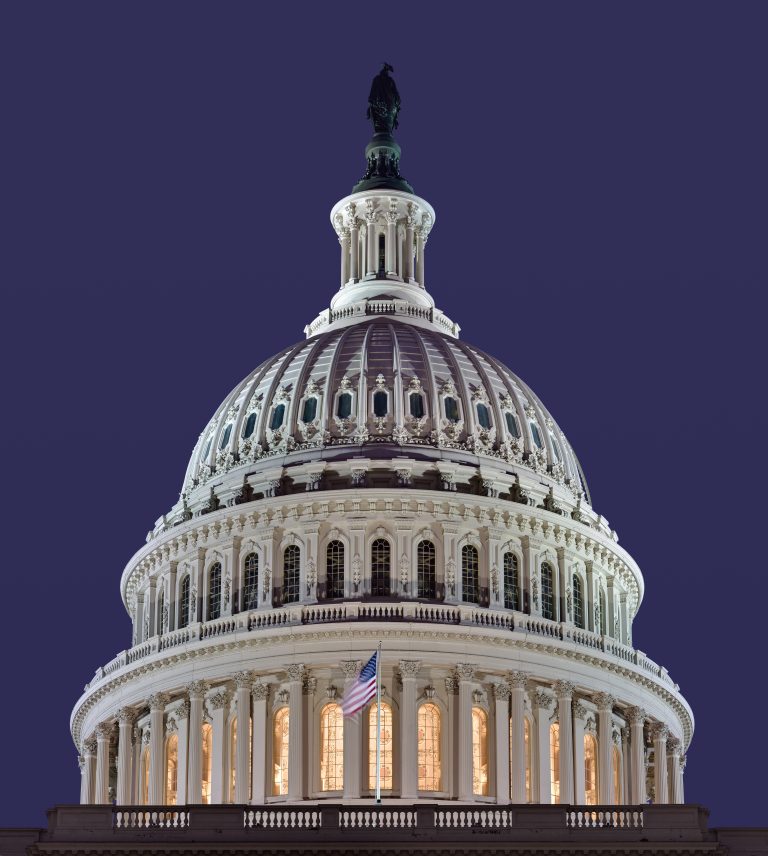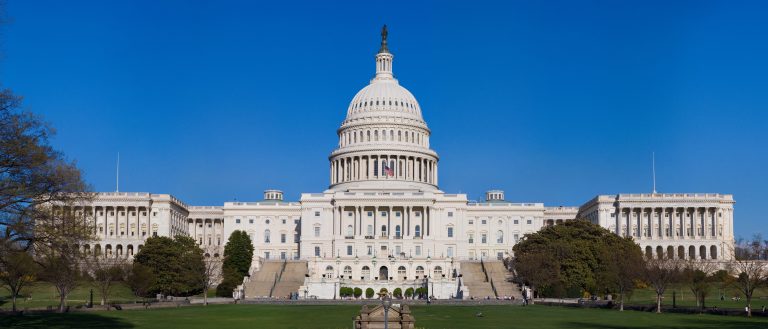
Global stocks slumped and the dollar softened on Wednesday as Democrats scored a decisive win in the US midterm elections, fuelling fears that the blue sweep could disrupt the data-centre buildout that has powered the artificial intelligence trade.
Investors sold stocks, especially AI-linked shares, while cryptocurrencies fell at the prospect of stronger regulation and government bonds rallied. The reaction came after Democrats captured majorities in both the Senate and the House, reaching deep into Republican strongholds with Senate wins in South Carolina, Texas and Ohio, according to Reuters.
What moved
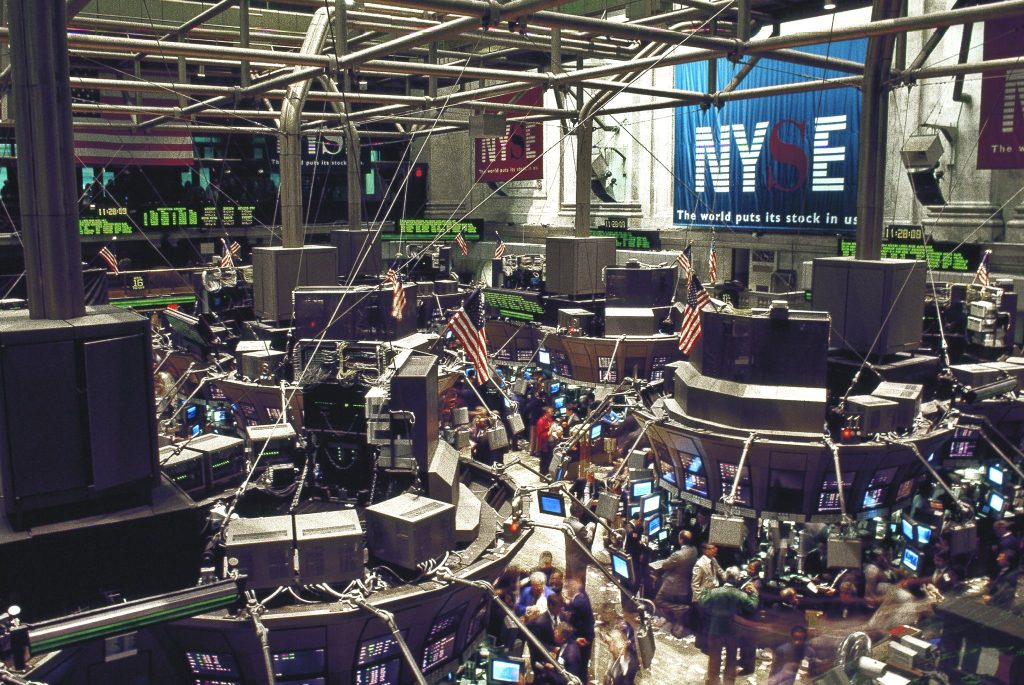
Futures for the S&P 500 slid 0.6%, while Nasdaq futures fell more than 2% before cutting losses to trade down 0.8%. European futures were down 1.4%.
The yield on the benchmark US 10-year Treasury note fell 6 basis points to 4.906%, pushing the dollar sharply lower. The dollar index was 0.37% lower at 101.34, while the euro rose 0.5% to $1.1249 and sterling firmed 0.37% to $1.3464.
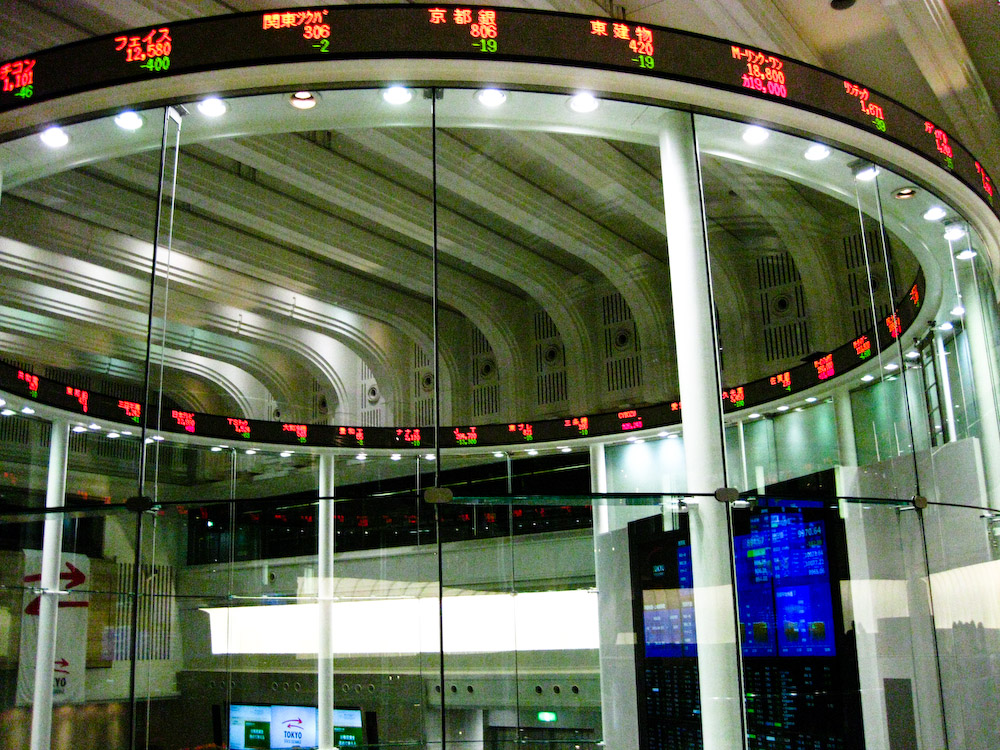
In Asia, the bulk of the selling was in AI stocks. Chipmakers Samsung, SK Hynix and TSMC slid sharply, and AI proxy SoftBank led Japan’s Nikkei 3% lower to an over five-month trough. MSCI’s broadest index of Asia-Pacific shares outside Japan fell 0.5% in early trading.
Cryptocurrencies also fell. Bitcoin slipped in early trading, with a Bloomberg markets wrap reporting concern that a Democratic sweep could stall industry-backed legislation and bring tougher scrutiny of digital-asset firms.

Why investors are worried
The AI trade has been one of the main drivers of this year’s stock market gains, built on heavy spending on data centres, chips and power. Investors are now asking whether a Congress controlled by Democrats will scrutinise that spending more closely, slow approvals, or change the rules for the companies building it.
Reuters reported that Tuesday’s outcome could also hold broad implications for market-sensitive areas including the US fiscal outlook, defence spending, and regulation in areas such as healthcare, banking and cryptocurrencies. Those are still questions, not settled policy: control of Congress changes what can pass, but it does not by itself rewrite AI or crypto rules.
Markets had already been nervous before the results. Emadan News reported on Tuesday that global stocks slipped as AI jitters and the midterms rattled investors; Wednesday’s move is the reaction to the confirmed sweep, not a repeat of that earlier session. Related coverage: Global Stocks Slip Tuesday as AI Jitters, US Midterms Rattle Investors, Nikkei 225 Falls Over 4% as US Midterm Results Rattle Asian Markets, and Democrats Projected to Win Senate Control, Completing Midterm Sweep of Congress.
What to watch next
Traders will now watch whether the sell-off extends into the US session, how Democratic leaders frame their priorities for AI, tech and crypto regulation, and whether the White House signals any shift in response. President Donald Trump said he would accept the midterm results, the New York Times reported, according to Bloomberg’s markets wrap.
Futures levels move through the session, so the figures above are the early Wednesday snapshot reported by Reuters, not a closing price. The direction, however, was consistent across stocks, the dollar, bonds and crypto: out of risk, and into safety.
Frequently asked questions
Why did stocks fall after the midterms? Because investors feared a Democratic sweep could bring tighter scrutiny of AI and data-centre spending, which has driven much of this year’s rally.
Why did the dollar fall while bonds rose? Bond yields fell as investors bought Treasuries for safety, and a lower yield typically makes the dollar less attractive to hold.
Does this mean AI spending will stop? No. The market reaction reflects fear of slower or more heavily scrutinised spending, not a confirmed policy change.
Sources
- Reuters, ‘Stocks wilt, dollar slides as blue sweep jolts AI bets’, by Ankur Banerjee, 4 November 2026 (updated 07:06 UTC)
- Bloomberg markets wrap via Swissinfo, ‘Stocks Slide With Dollar as Trump Trades Falter’, 4 November 2026