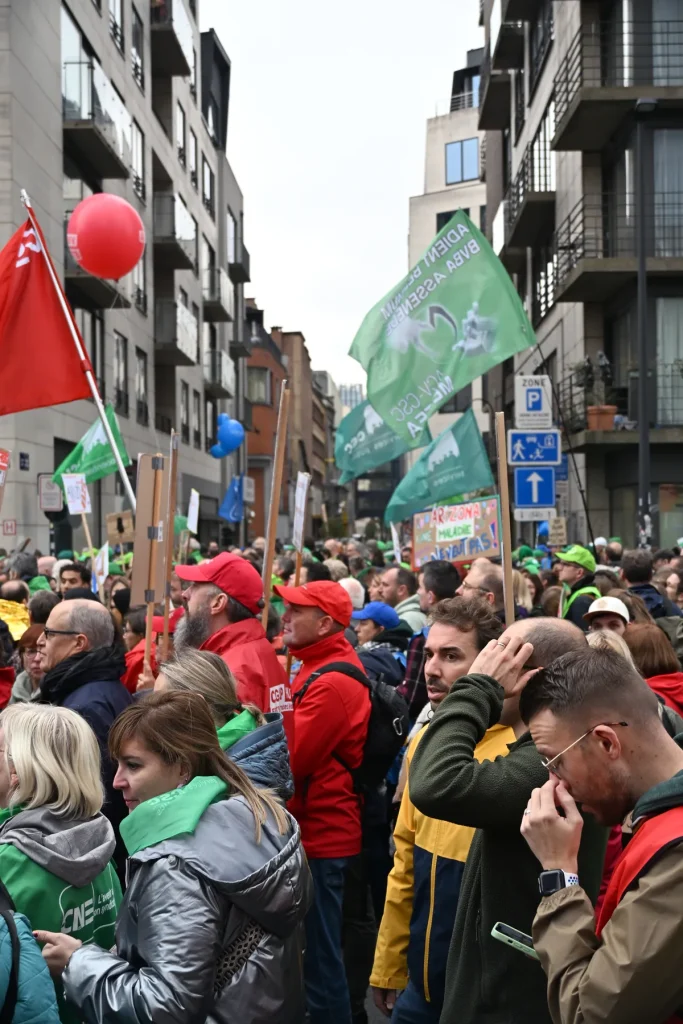
Quick Answer: Police fired tear gas and deployed water cannon in Brussels on Saturday, October 17, as several hundred students and activists clashed with officers during protests against education reforms and austerity measures. The unrest, partly inspired by demonstrations in neighbouring France, also saw a peaceful march in Liège, where around 250 people gathered.
Key Takeaways
- Several hundred mostly young protesters clashed with police in Brussels on Saturday; police used tear gas and water cannon, and a car was overturned, according to a Reuters witness.
- Student groups say they are protesting rising education costs and reforms they fear will make higher education less accessible.
- Belgium’s Interior Minister Bernard Quintin said “all necessary means” would be used to restore order.
- Around 250 people marched peacefully in Liège; the protests follow October 9 trade-union clashes and echo unrest in France.
What happened in the Brussels protest
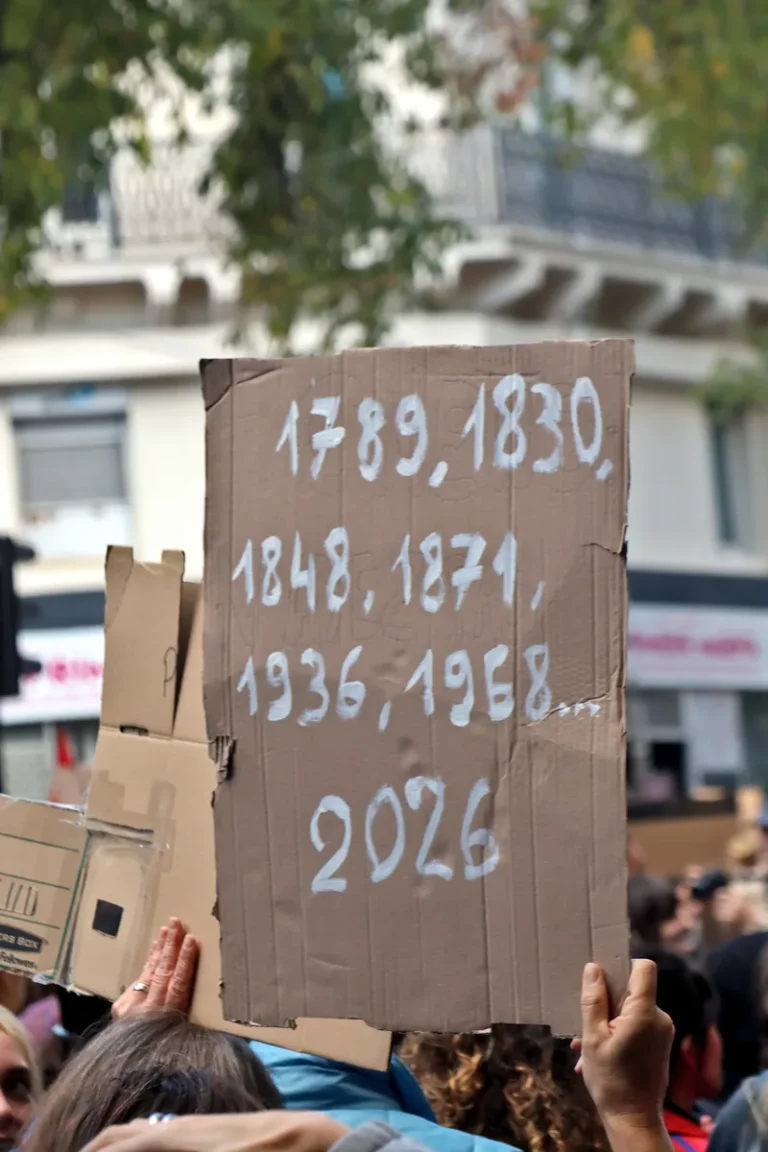
Police in Brussels fired tear gas and deployed water cannon on Saturday as several hundred mostly young people clashed with officers during the Brussels protest against education reforms and austerity measures.
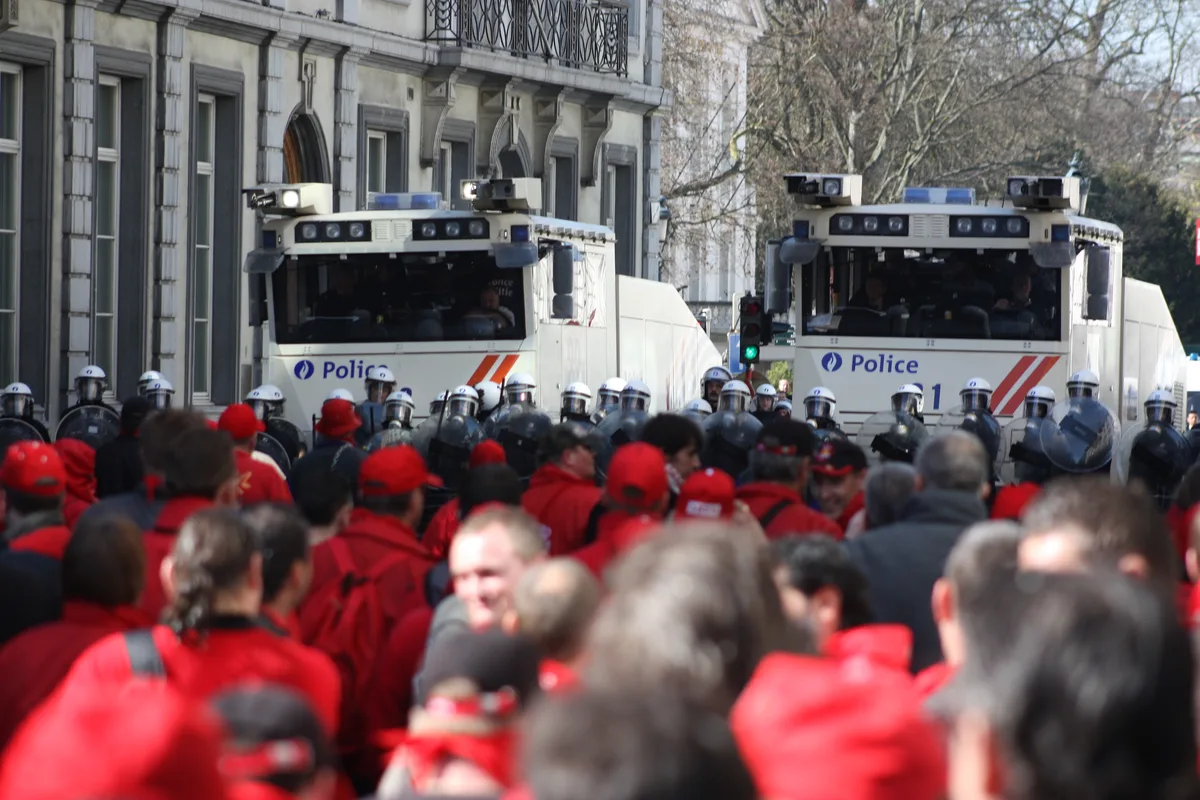
Demonstrators gathered in central Brussels, many wearing masks and chanting anti-fascist slogans, according to Reuters. A Reuters witness reported that police used tear gas and water cannon, and that some protesters overturned a car. Belgium’s Interior Minister Bernard Quintin wrote on X that “what is unfolding in Brussels is no longer mere protest” and that “all necessary means will be used to restore order in the face of the rioters.”
Why students are protesting in Belgium
Belgian student groups said the Belgium protests are aimed at rising education costs and reforms they fear will make higher education less accessible. According to public broadcaster RTBF, cited by Anadolu Agency, around 100 students and adults — including teachers and trade union activists — gathered near Brussels Central Station on Saturday morning. The demonstration was initially unauthorized, but protesters later received permission to march toward Brussels-Midi station.
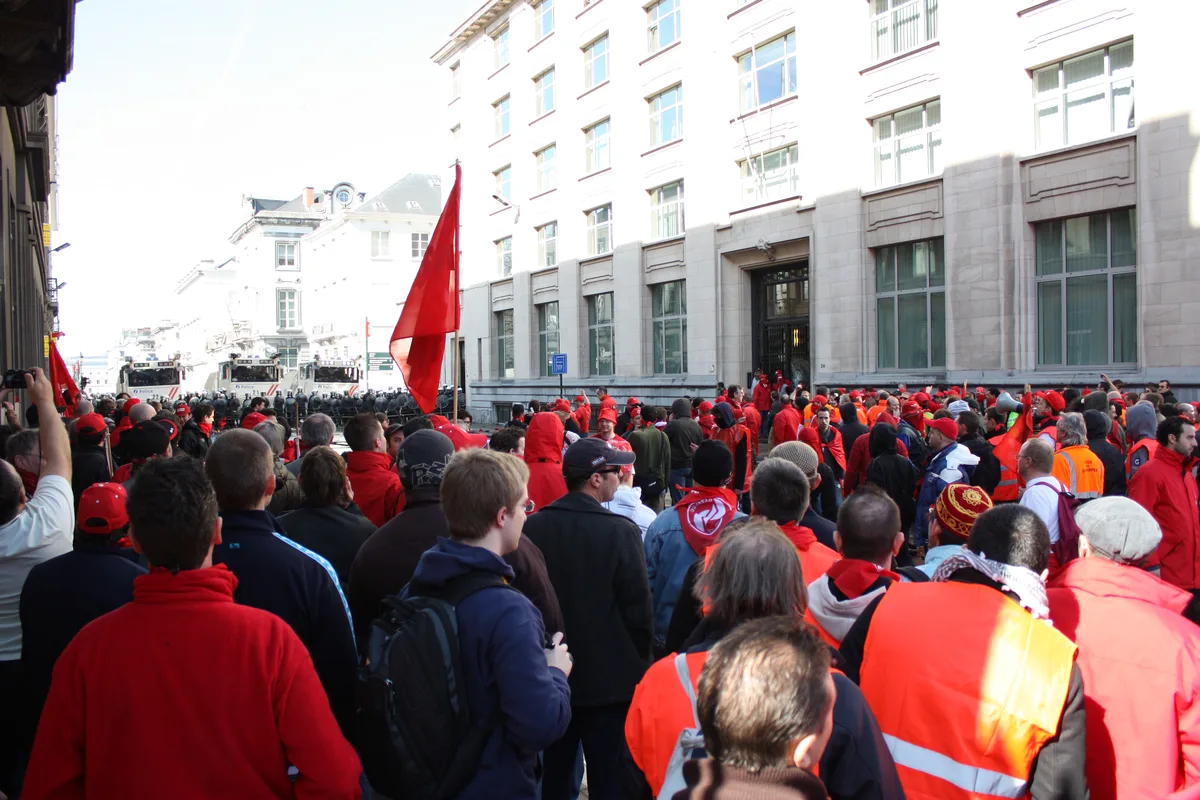
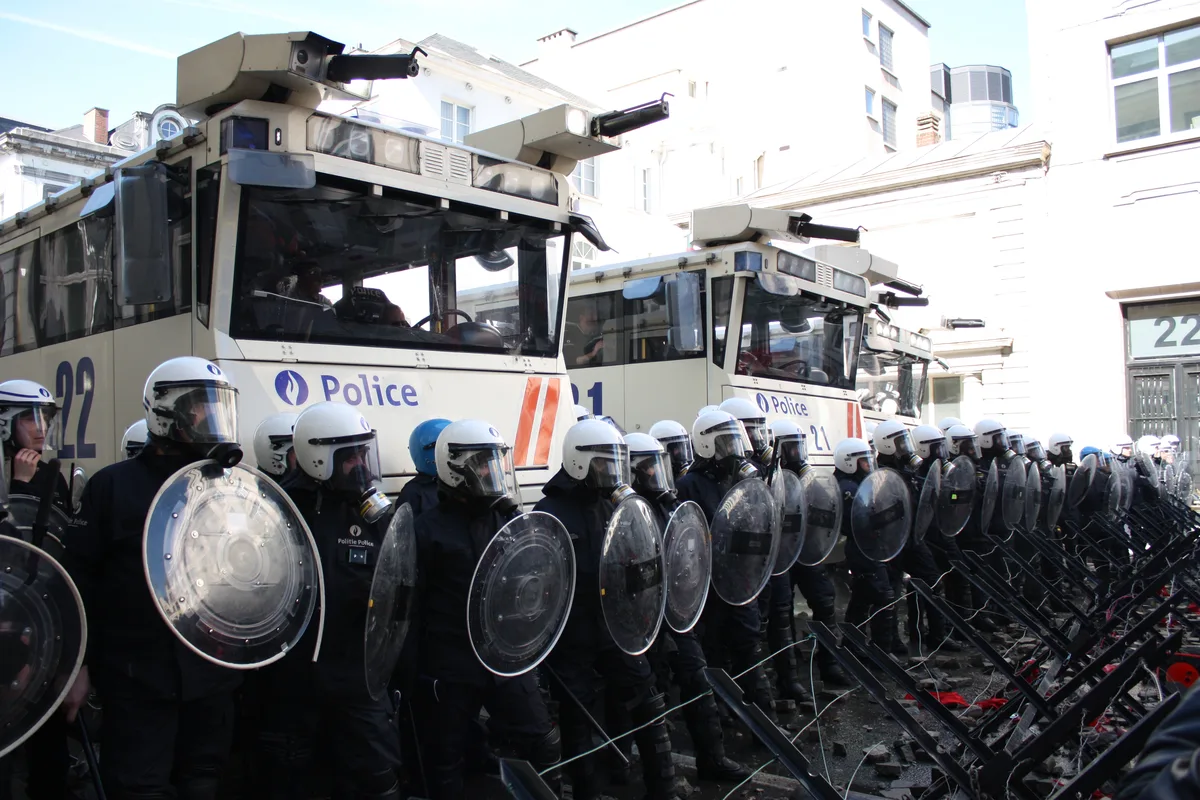
Tensions escalated around 12:30 pm local time near Brussels-Midi, where demonstrators erected a barricade from construction fencing and threw projectiles at police, prompting officers to respond with water cannon and tear gas before charging the crowd. Police deployed in large numbers and stopped and searched several people.
A peaceful march in Liège
A second protest took place in the eastern city of Liège, where around 250 people — mostly young people, joined by workers and parents — marched peacefully from Liège-Guillemins station to the city center, according to the Belga news agency. Participants raised concerns about education funding, tuition fees, public transport costs, working conditions, and social inequality.
Students described financial pressures forcing young people to combine work with studies, which they said can lead some to abandon their education.
France’s unrest adds fuel
The gathering followed clashes between police and students on the sidelines of an October 9 trade union demonstration, and participants expressed solidarity with Saturday’s mobilization in France against rising living costs. With protesters in France taking to the streets today as well — including farmers and students joining a nationwide day of action — Belgian student groups have said the French unrest partly inspired their own actions.
Related coverage: read our report on Paris protests as Yellow Vests returned to the streets, and Egypt’s Sisi pledging to step down in 2030.
FAQs
What happened in Brussels today?
Police clashed with several hundred student and activist protesters during the Brussels protest on Saturday; tear gas and water cannon were used after demonstrators erected barricades near Brussels-Midi station. One car was overturned, according to a Reuters witness.
Why are students protesting in Belgium?
The Belgium protests target rising education costs, reforms students fear will reduce access to higher education, plus broader austerity measures and what demonstrators call police repression.
Was there violence in the Brussels protests?
Some clashes occurred: a car was overturned and projectiles were thrown at police; officers responded with water cannon, tear gas, and charges. A separate Liège march of about 250 people remained peaceful.
Is this connected to protests in France?
Partly. Protesters expressed solidarity with France’s Saturday mobilization against living costs, and Belgian student groups have said the French unrest partly inspired their actions.
Reporting by Emadan News, based on Reuters and Anadolu Agency (AA) wires, October 17, 2026.