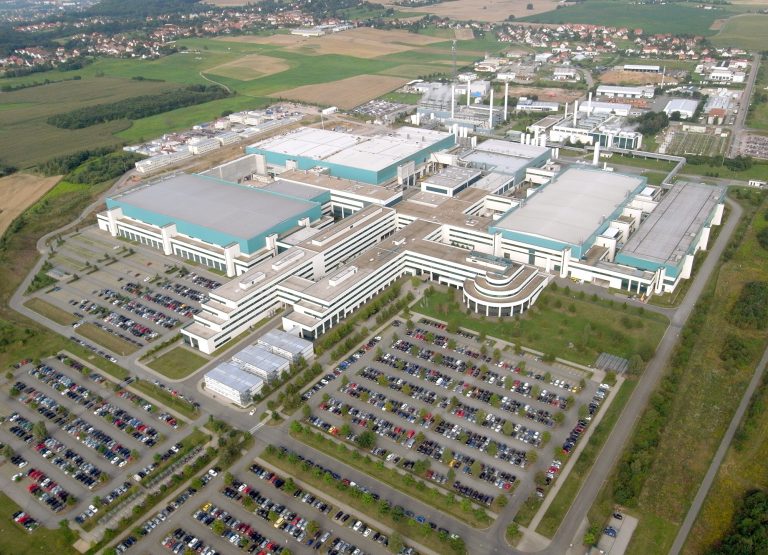
Bloomberg reported on October 30 that Alphabet, Meta, Microsoft, Amazon and Oracle have disclosed more than $3 trillion in future spending commitments tied to AI infrastructure, up from about $2.4 trillion counted for four of the five companies in July. The figure is drawn from the companies’ own quarterly filings, covering leases, buildings, energy contracts and equipment orders — not analyst forecasts.
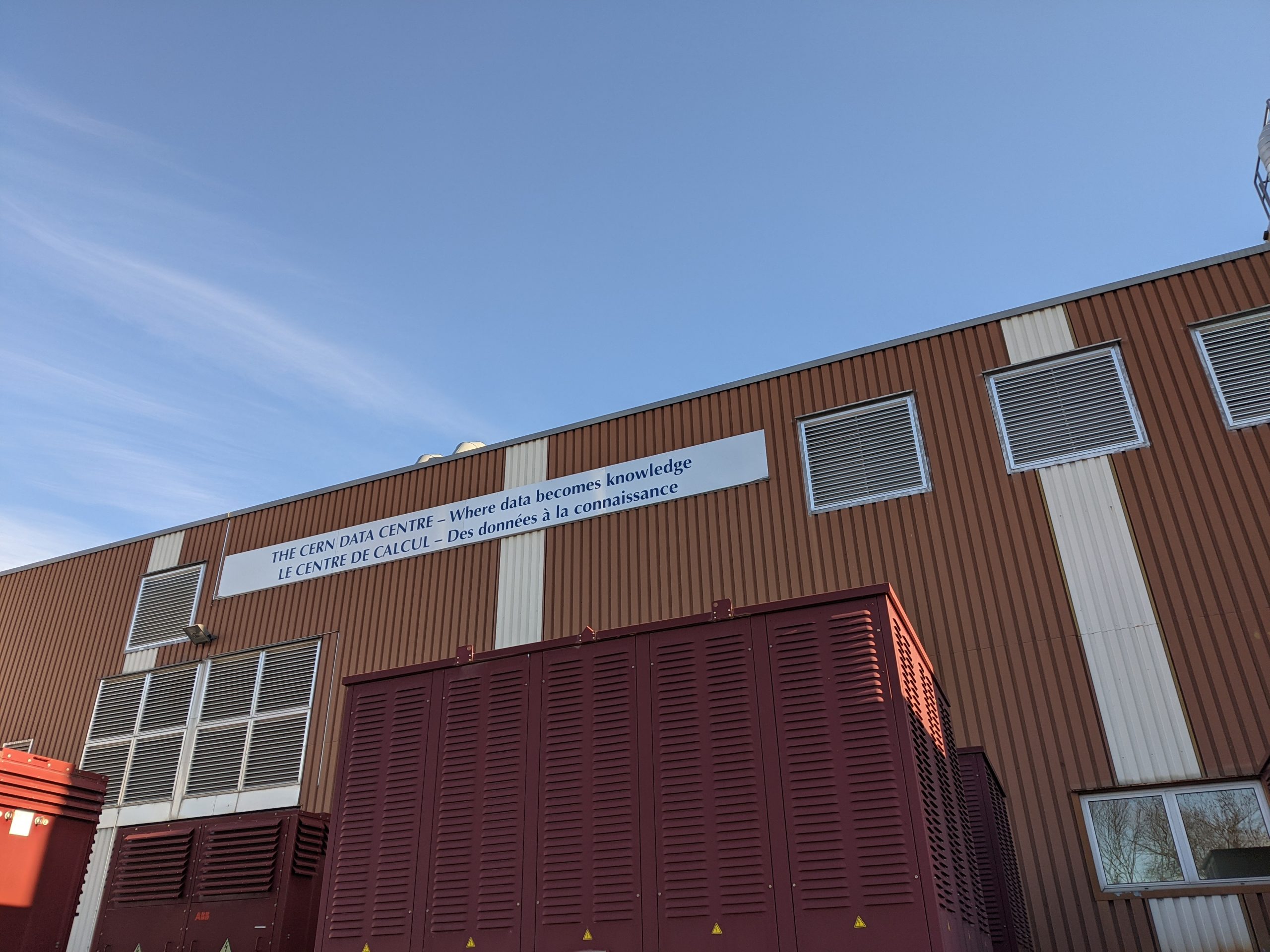
Alphabet leads, Meta close behind
Alphabet alone accounts for more than $1 trillion, nearly eight times its level a year ago. Bloomberg reported Alphabet’s future purchase commitments at $924 billion plus $152 billion in leases not yet commenced. Meta has disclosed more than $800 billion, with nearly half tied to data-centre leases that have not yet begun and that run for as long as 30 years. Individual totals for Microsoft, Amazon and Oracle were not verified for this article, and are not stated here.
Leases versus orders
About $1.3 trillion of the total is future leases, while about $1.9 trillion is purchase and construction orders spanning data centres, equipment, energy and content. The split matters because the two kinds of commitment lock money in for different lengths of time and on different terms, even though both will eventually require payment.
Why investors are watching
These are obligations already entered into, so payments fall due whether or not the AI services they support pay off. Gartner has warned much of this spending may never pay off, and free cash flow has turned negative at some of the firms. The pressure sits alongside a separate squeeze on shareholder returns: Big Tech returned less cash to shareholders as AI spending rose. Alphabet separately disclosed about $98.5 billion in contingent commitments — lease guarantees, power-equipment backing and possible chip repurchases — up about $23 billion from the previous quarter. That contingent figure is separate from, and should not be added to, the $1 trillion-plus total for Alphabet.
What the $3 trillion is not
It is not cash already spent, and it is not a debt total. A separate Morgan Stanley analysis reported by Axios puts off-balance-sheet commitments at roughly $3 trillion across seven companies including Nvidia and Broadcom. That is a different tally with a different company set, so its split — $1.1 trillion in leases and $1.7 trillion in purchases — should not be mixed into the Bloomberg figures.
What happens next
Further quarterly filings, capital-expenditure guidance and earnings will show whether commitments keep growing, level off, or start to be revised. Investors will also be watching whether the revenue from AI services begins to catch up with the bills that have already been promised.
FAQ
Is the $3 trillion already spent? No — it is future disclosed commitments, not money already paid out.
Which companies are in the Bloomberg tally? Alphabet, Meta, Microsoft, Amazon and Oracle.
Why does the total keep rising? Because each round of quarterly filings adds new leases, buildings, energy contracts and equipment orders to the disclosed pipeline.
Sources
- Bloomberg Law: Big Tech Holds $3 Trillion in Spending Commitments for AI Boom
- AI Weekly: Big Tech’s AI Spending Pledges Hit $3T
- Alpost: Big Tech Has Now Committed More Than $3 Trillion to the AI Build-Out