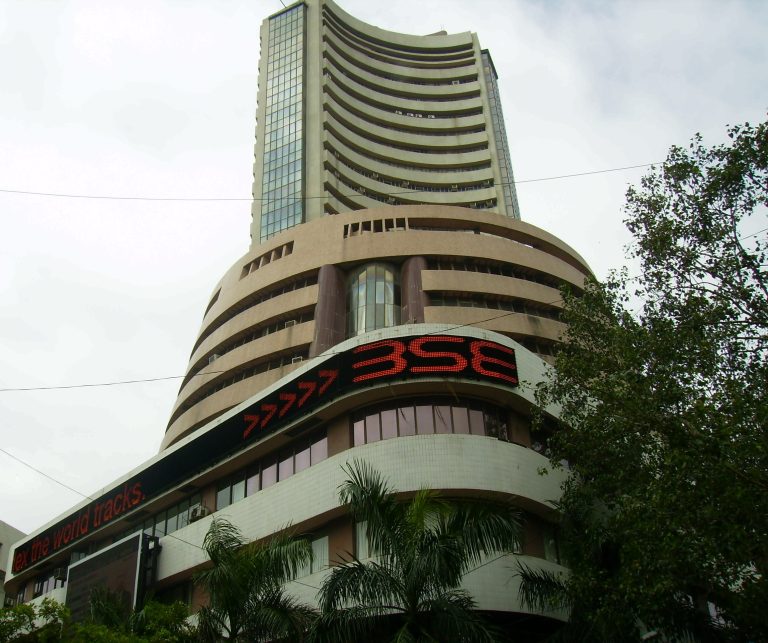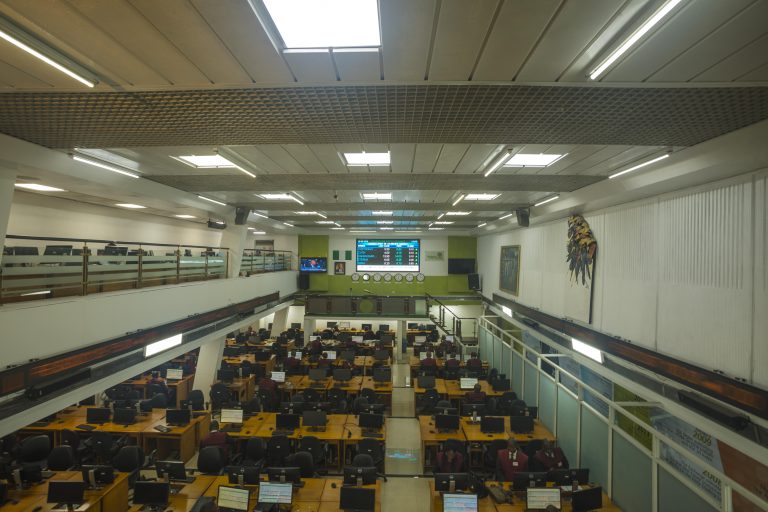
Factory activity across Asia continued to expand in October, but growth slowed in the region’s major chip exporters, private surveys showed on Monday, suggesting the artificial intelligence boom may be losing momentum. Manufacturing activity slowed in China, Japan, South Korea and Taiwan, the surveys showed, with the drag from the Middle East war — and the higher fuel and food prices that come with it — offsetting the benefits of robust global demand for chips and AI-related goods, Reuters reported.
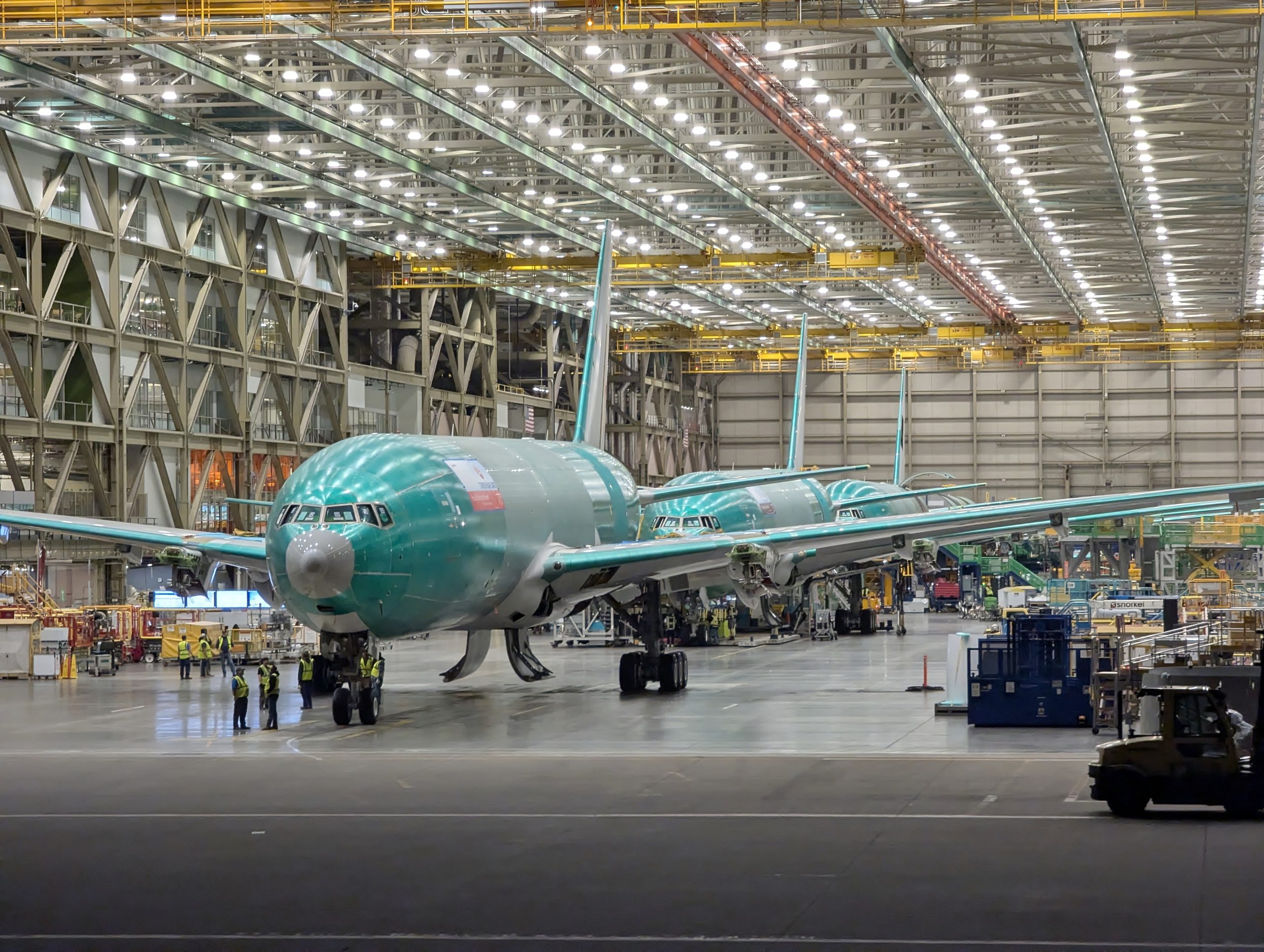
The numbers: still expanding, but slower
A reading above 50 on a purchasing managers’ index (PMI) indicates expansion; below 50 indicates contraction. China: the RatingDog General Manufacturing PMI, compiled by S&P Global, stood at 52.0 in October, down from 52.1 in September. The private reading followed official data released on Saturday showing China’s factory activity shrank in October, marking the third contraction in four months. Japan: PMI eased to 53.3 in October from 54.1 in September, the slowest expansion in seven months, as output and new orders lost momentum. South Korea: factory activity grew at its slowest pace in eight months, with PMI falling to 51.3 from 53.9 in September. Taiwan: PMI stood at 54.9 in October, down from 56.7 in September. Elsewhere, Vietnam, Indonesia and Malaysia recorded faster factory expansion than in September.
Why it matters
The October numbers are the first hard data that look like the International Monetary Fund’s warning taking shape: the IMF has flagged a potential correction in AI-driven demand as a risk for the region. It now expects Asia’s economy to grow 4.8 per cent in 2026 and 4.4 per cent in 2027, higher than projections made in April but still slowing from a 5 per cent expansion in 2025. The private RatingDog/S&P Global survey (52.0, expansion) and the official survey (contraction) measure different samples of firms — they are not a contradiction to be averaged away, and this article does not merge them.

What to watch next
November’s surveys will show whether October was a pause or the start of a longer cooldown, and whether chip demand re-accelerates or the energy-cost drag deepens.
FAQ
What is a PMI? A purchasing managers’ index surveys factory managers on output, orders, employment and prices. Above 50 means expansion; below 50 means contraction.
Did China’s factories expand or shrink in October? Both, depending on the survey: the private RatingDog/S&P Global PMI read 52.0 (expansion), while the official survey showed contraction.
Is the AI boom over? No — AI-related demand remains robust, but it is no longer strong enough on its own to offset rising energy costs and softer broader demand.
Sources
Reuters via Manila Times, "Asia’s factory activity feels fading glimmer of AI boom", 3 Nov 2026: https://www.manilatimes.net/2026/11/03/business/foreign-business/asias-factory-activity-feels-fading-glimmer-of-ai-boom/2459793
Reuters via The Edge Malaysia, "Manufacturing solid but strain of energy costs, supply disruptions starts to show", 2 Nov 2026: https://theedgemalaysia.com/node/824113
Related coverage
China Factory Activity Contracts Again as October PMI Falls to 49.3