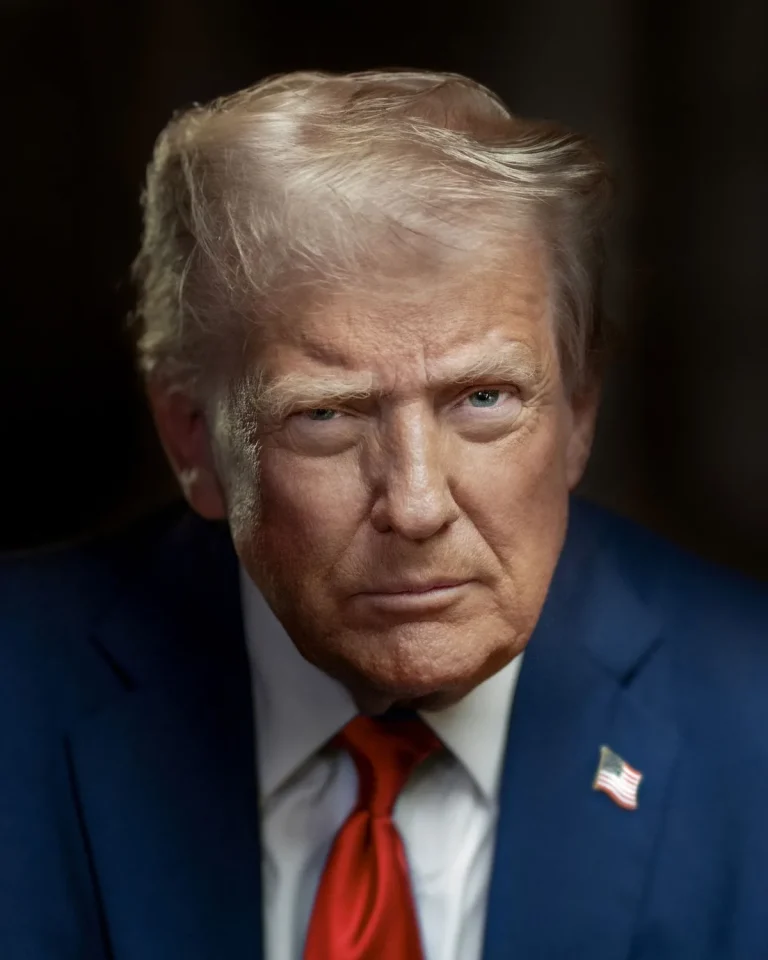
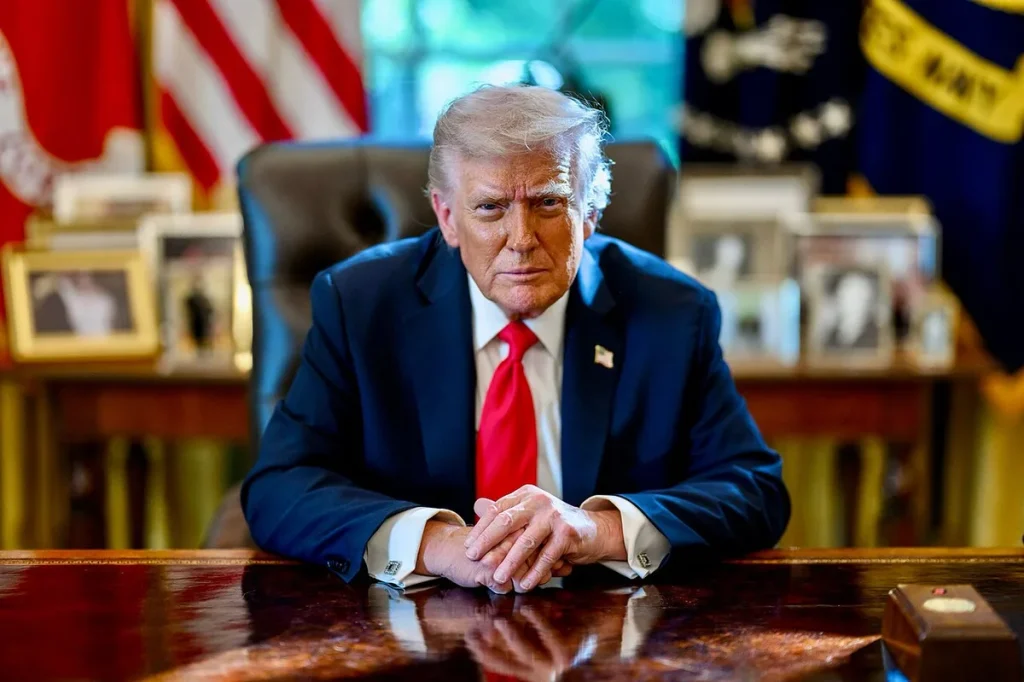
US President Donald Trump said on Thursday that the United States will not attack Iran before the American midterm elections on November 3, announcing on his Truth Social platform that Washington is holding “productive discussions” with Tehran.
“We will not be attacking Iran at any time prior to the Midterm Elections to be held in the United States on November 3rd,” Trump wrote, adding that Iran was in “very bad condition, both Economically and Militarily.”
The statement came a day after media reports that the White House had asked the Pentagon to prepare options for fresh strikes on Iranian targets, potentially before the vote. The reports sent oil prices surging — Brent crude, the international benchmark, climbed as high as $105.88 a barrel on Thursday before easing back to about $104.
Blockade stays, talks continue
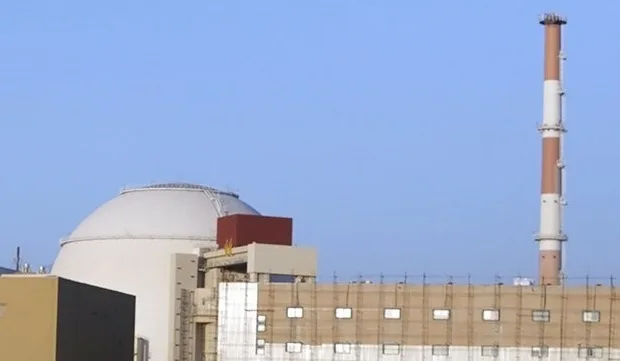
Trump made clear that the US blockade of Iranian shipping through the Strait of Hormuz would remain “in full force and effect.” He claimed record volumes of oil were flowing through the strait with “not one barrel coming from, or going to, Iran,” and repeated that Iran would not be allowed to obtain a nuclear weapon.
Crude flows through the waterway remain under pressure. Around 9.5 million barrels per day exited the strait in the week to Tuesday, roughly 30% below normal levels, while ongoing hostilities between Iran-backed Houthis and Saudi Arabia add to the uncertainty.
Putin offers to mediate
In parallel diplomacy, Russian President Vladimir Putin met his Iranian counterpart Masoud Pezeshkian on the sidelines of a regional summit in Turkmenistan on Thursday, promising to “do everything” to help end the Middle East war.
“We are ready to do everything we can to help you resolve this situation,” Putin told Pezeshkian, according to Russian state media, adding that Iran was making real efforts to end a conflict that broke out “through no fault of its own.”
Pezeshkian said Tehran wanted a “final framework” to permanently end hostilities but called direct negotiations with Washington “meaningless” while talks kept breaking down. Trump and Putin also spoke by phone this week — the Kremlin said the call covered Iran, while Trump announced that Russia had agreed to supply more than 300,000 tonnes of diesel to global markets “immediately,” a move aimed at calming fuel prices.
What happens next
Polls suggest American voters are deeply unhappy with fuel prices, which have soared since US-Israeli strikes against Iran in February triggered the conflict. Trump’s pledge buys time for diplomacy but also sets up a hard deadline: after the November 3 midterms, the question of military action returns.
The US this week also imposed fresh sanctions on Iran’s so-called “shadow fleet” of tankers, keeping economic pressure on Tehran even as both sides signal they want a deal.
Based on reporting by Al Jazeera, The National, the Deccan Chronicle, and the Korea Times.