Microsoft Quits Nscale’s Essex AI Data Center Deal as UK Grid Delays Bite
Quick Answer
Microsoft has withdrawn as anchor tenant of Nscale’s planned AI data center in Loughton, Essex, after grid operators said power would not reach the site until the 2030s. The exit removes the Nvidia-backed startup’s only announced customer as it pursues a US listing worth up to $35 billion.
The biggest AI infrastructure news of the week broke in Essex, England: Microsoft has scrapped its deal to anchor British neocloud Nscale’s first UK data center. Britain’s Telegraph first reported the withdrawal on Sunday; The Guardian confirmed the power-supply concerns behind it.
Key Takeaways
- Microsoft ended its anchor-tenant agreement for Nscale’s Loughton, Essex data center.
- UK grid operators say power is unlikely before the early to mid-2030s; the site was meant to open in 2027.
- The site centered on 23,000 Nvidia AI chips, with Microsoft as the only announced customer.
- Nscale is exploring alternative power sources as it targets a US IPO worth up to $35 billion.
Why the Essex Deal Collapsed
Under the deal, Microsoft would have leased 23,000 Nvidia AI chips at Loughton — effectively a dedicated Microsoft data center footprint in the UK, the same AI demand driving TSMC’s record AI-chip profits. But the site kept slipping: in March it was still a scaffolding yard, and in September The Guardian reported the grid would not deliver enough power until the early to mid-2030s. For a ~90-megawatt facility meant to open next year, that wait was fatal. Microsoft has not commented.
What It Means for Nscale and AI Infrastructure Stocks
The timing is awkward. Nscale — Nvidia-backed, competing with CoreWeave and Nebius — has filed for a US IPO and is reportedly seeking up to $3 billion at a $35 billion valuation. An IPO filing puts Microsoft and Anthropic at about 85 percent of its contracts, and its Norwegian facility is also six months behind schedule. For AI infrastructure companies racing to build, the lesson is spreading: the binding constraint is electricity, not chips — making data center infrastructure one of the most watched corners of AI infrastructure stocks, even as banks tighten rules around AI systems elsewhere in the sector.
What’s Next
Nscale says it remains committed to Loughton and the UK, is exploring alternative power sources and other UK sites, and that its Microsoft relationship “remains strong and long-term.” For investors eyeing a future Nscale stock debut, today’s AI infrastructure news is a reminder: in the AI build-out, the power cable matters as much as the GPU.
Frequently Asked Questions
What happened in AI data center news today?
Microsoft exited Nscale’s Essex AI data center deal, the Telegraph reported on October 18, 2026. The Guardian linked the withdrawal to grid delays, with UK authorities saying power would not reach the Loughton site until the 2030s. Nscale says the project continues with alternative power options under review.
What is an AI data center?
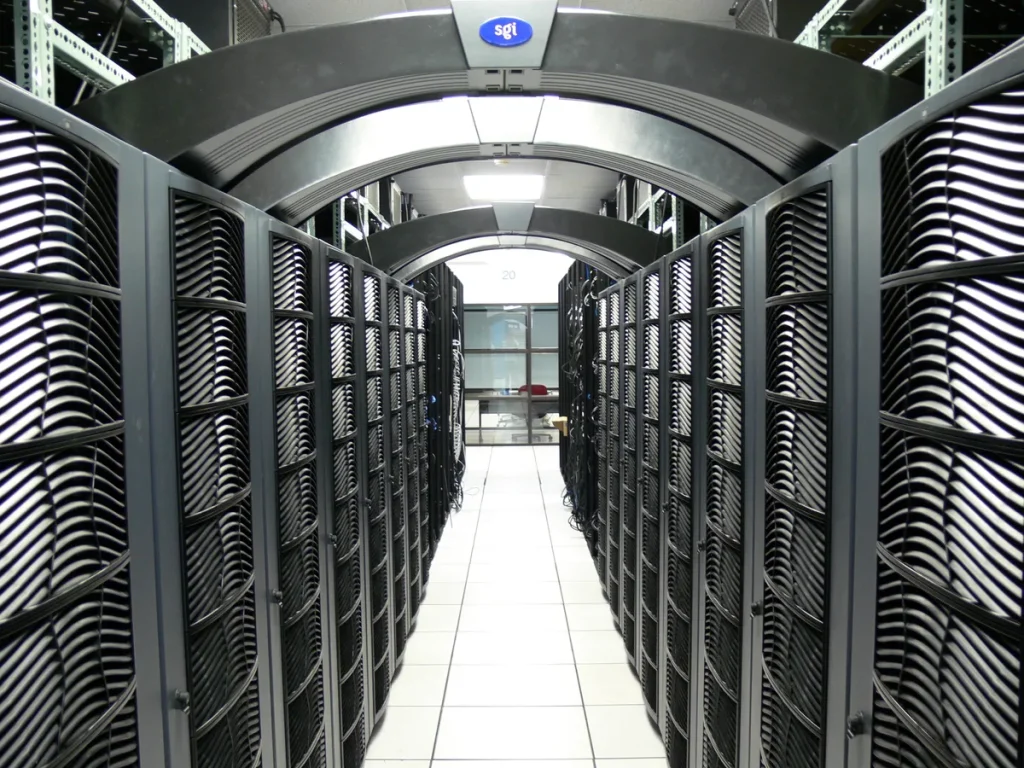
An AI data center is a facility built to train and run AI models. Unlike ordinary data centers, it packs tens of thousands of AI chips — here, over 23,000 Nvidia GPUs — drawing far more power and cooling than standard servers, which is why grid capacity decides where these buildings can actually operate.
Why did Microsoft pull out of the Nscale deal?
The decisive factor was power. UK grid operators told Nscale that sufficient electricity was not expected until the early to mid-2030s — years after the planned 2027 opening. The Telegraph did not specify Microsoft’s own reasoning, and Microsoft has not commented, but the grid timetable made the original schedule unworkable.
What is the Nscale IPO?
Nscale has filed for a US stock listing and is reportedly seeking up to $3 billion at a valuation of as much as $35 billion. It is not publicly traded yet, so there is no live Nscale stock to price the damage — but losing its flagship UK customer is the kind of detail IPO investors scrutinize closely.
What’s the latest data center power news?
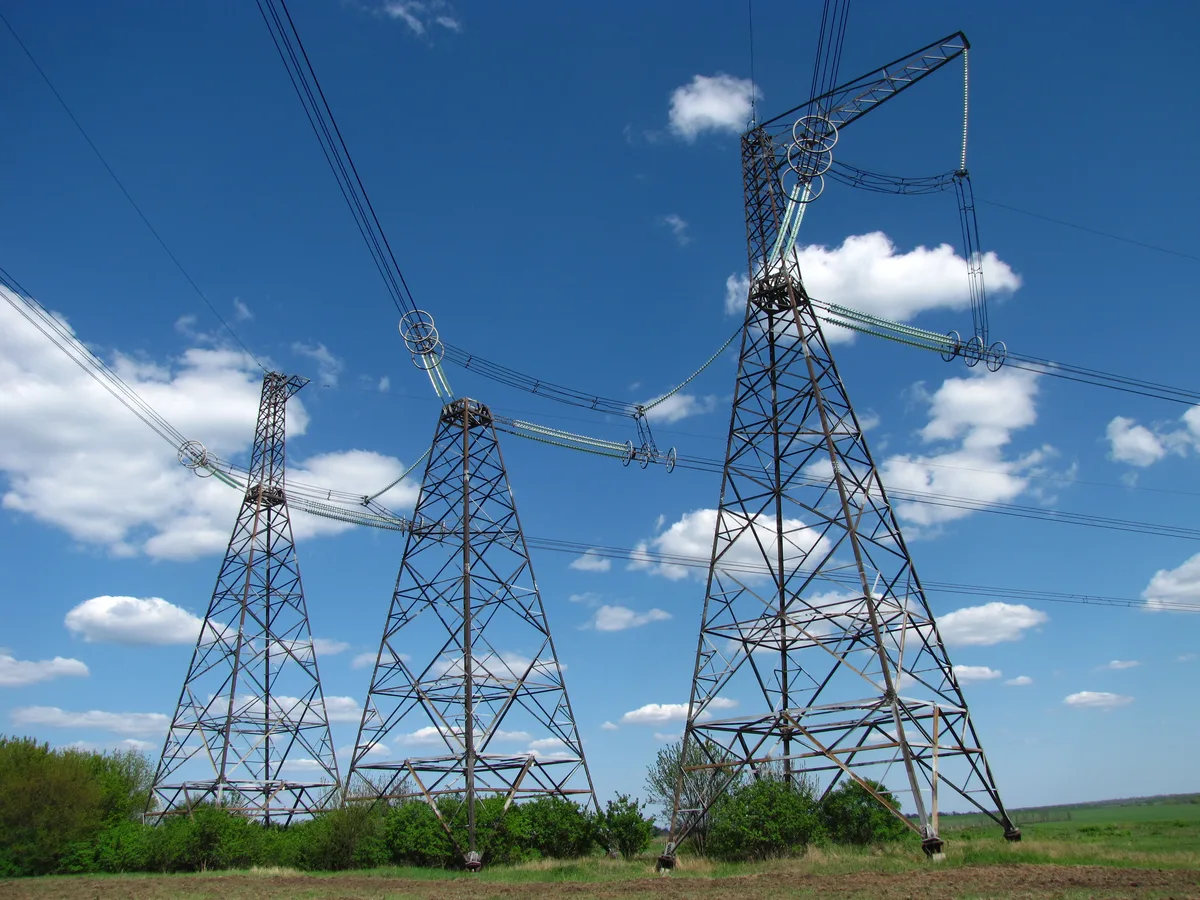
The newest data center power news keeps pointing to one bottleneck: grids cannot keep up with AI demand. Alongside soaring electricity use, AI data center water usage for cooling adds local pressure — which is why planners now treat power, not land or chips, as the scarcest input in the AI build-out.
Sources: The Telegraph, The Guardian, Reuters, Bloomberg reporting, October 18, 2026.