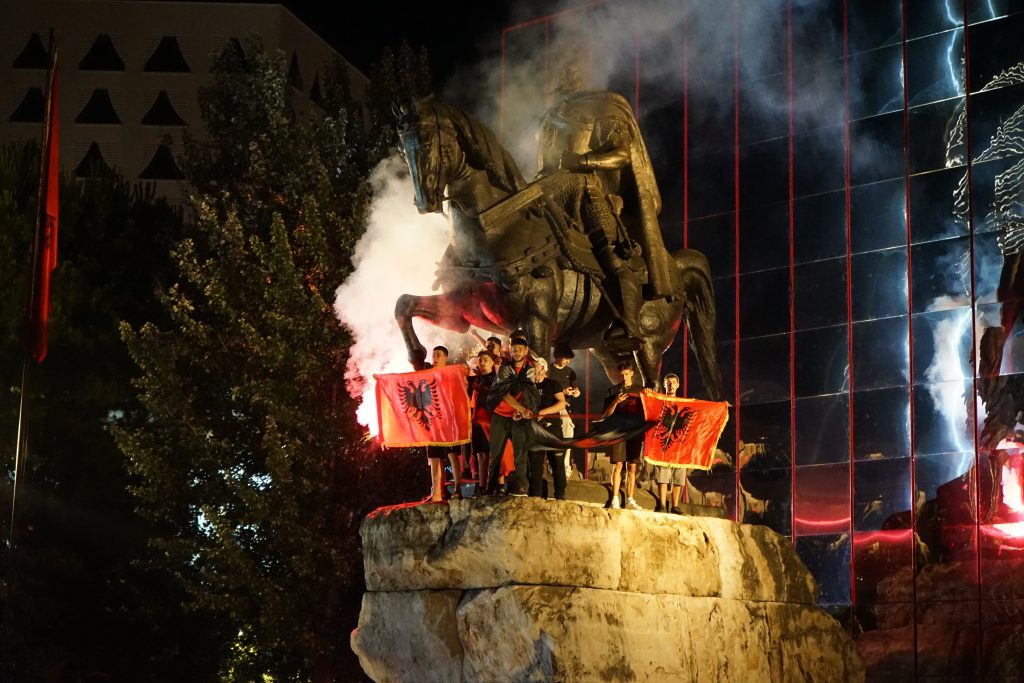
Quick Answer: Albanian Prime Minister Edi Rama has refused to resign as anti-government protests in Tirana entered a sixth consecutive day on Sunday, October 18, 2026. In a live address lasting over an hour, Rama said the unrest threatens Albania’s bid to join the European Union by 2030 — not his government. Clashes between student-led demonstrators and riot police left dozens injured over the weekend.
- Protests in Tirana entered a sixth day on Sunday, October 18, 2026, with demonstrators demanding PM Edi Rama’s resignation.
- Rama rejected the calls in a live Facebook address, framing the unrest as a threat to Albania’s EU membership bid.
- Police used water cannon, tear gas and rubber bullets; protesters set fire to a police station and government buildings.
- Albania’s Health Ministry says 272 people have been injured since the protests began on Tuesday, including 169 police officers.
- Rama’s official visit to Austria, scheduled for Monday, has been cancelled.
Violent anti-government protests have rocked Albania’s capital, Tirana, for a sixth consecutive day, as Prime Minister Edi Rama ruled out resigning despite mounting pressure from student-led demonstrators.
Hundreds of protesters gathered again on Sunday outside the Ministry of Education, chanting “Rama, resign” in a tense standoff with riot police, who later used water cannon, tear gas and rubber bullets to disperse the crowds, according to Reuters and Al Jazeera.
As the demonstrations scattered across the city centre, hours-long clashes erupted. Protesters set litter bins ablaze, smashed windows — including at the headquarters of Rama’s governing Socialist party — and set fire to a police station and the entrance of the Interior Ministry, AFP journalists at the scene reported.
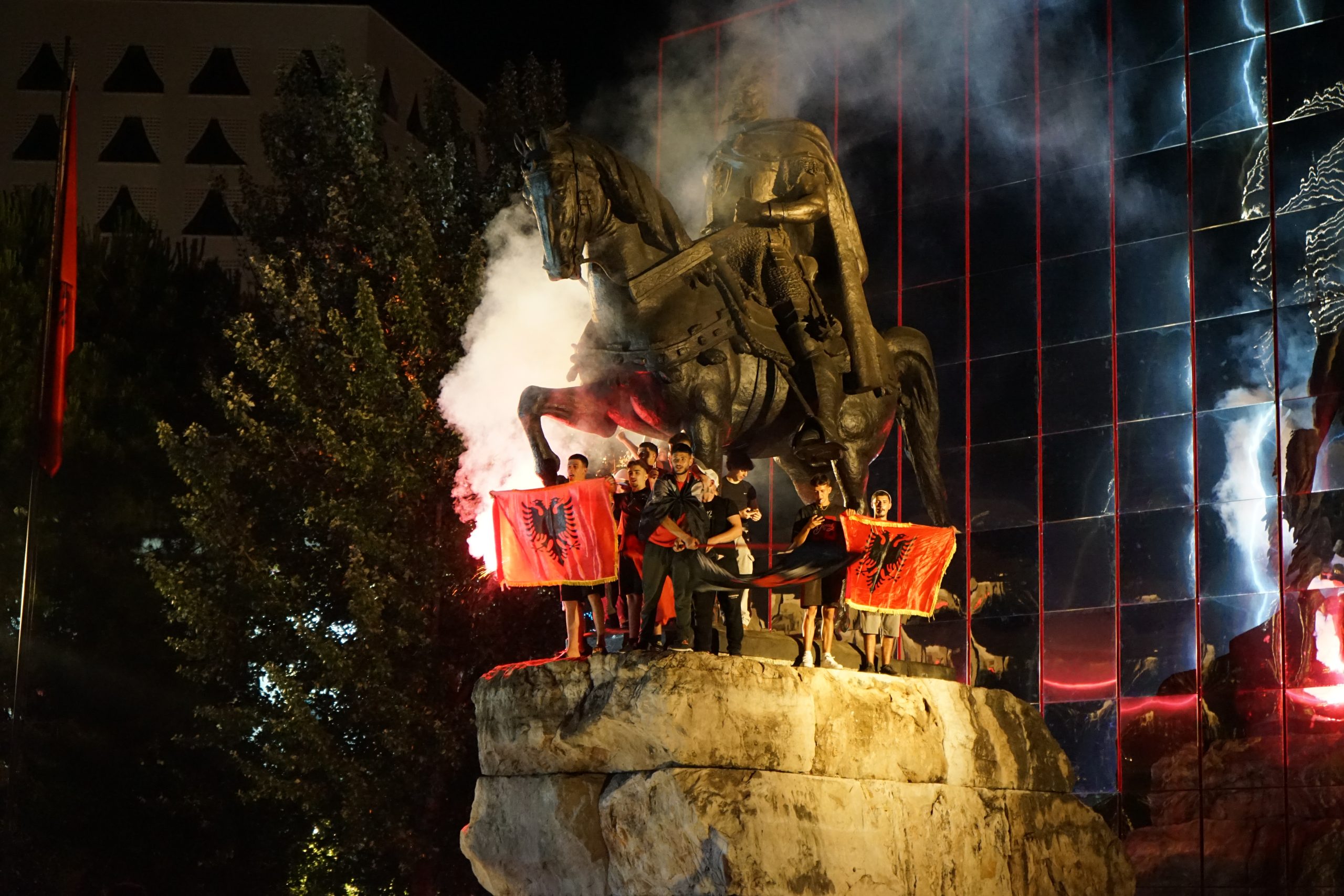
What did Rama say in his address?
In a video address lasting more than an hour on Sunday, Rama dismissed demands for his resignation and argued the demonstrations were challenging Albania’s path toward European Union membership rather than his government’s mandate.
“I am not being challenged, the government is not being challenged, a government majority or a winning party in the elections is not being challenged — but a path is being challenged, a mission is being challenged,” Rama said in the live Facebook broadcast.
“Albanians need to think very clearly: do they want this, do they want that, or do they want the EU?”
Albania, alongside Montenegro, is leading the group of Balkan countries seeking EU membership and is aiming for entry by 2030. Rama invited students to dialogue even as excavators dug up and removed paving stones outside his office in central Tirana ahead of Sunday’s protests.
The prime minister, who has governed since 2013 and won a fourth term in 2025, also blamed unspecified foreign interests for the unrest and alleged there had been an attempted drone attack at his office during the week, Reuters reported.
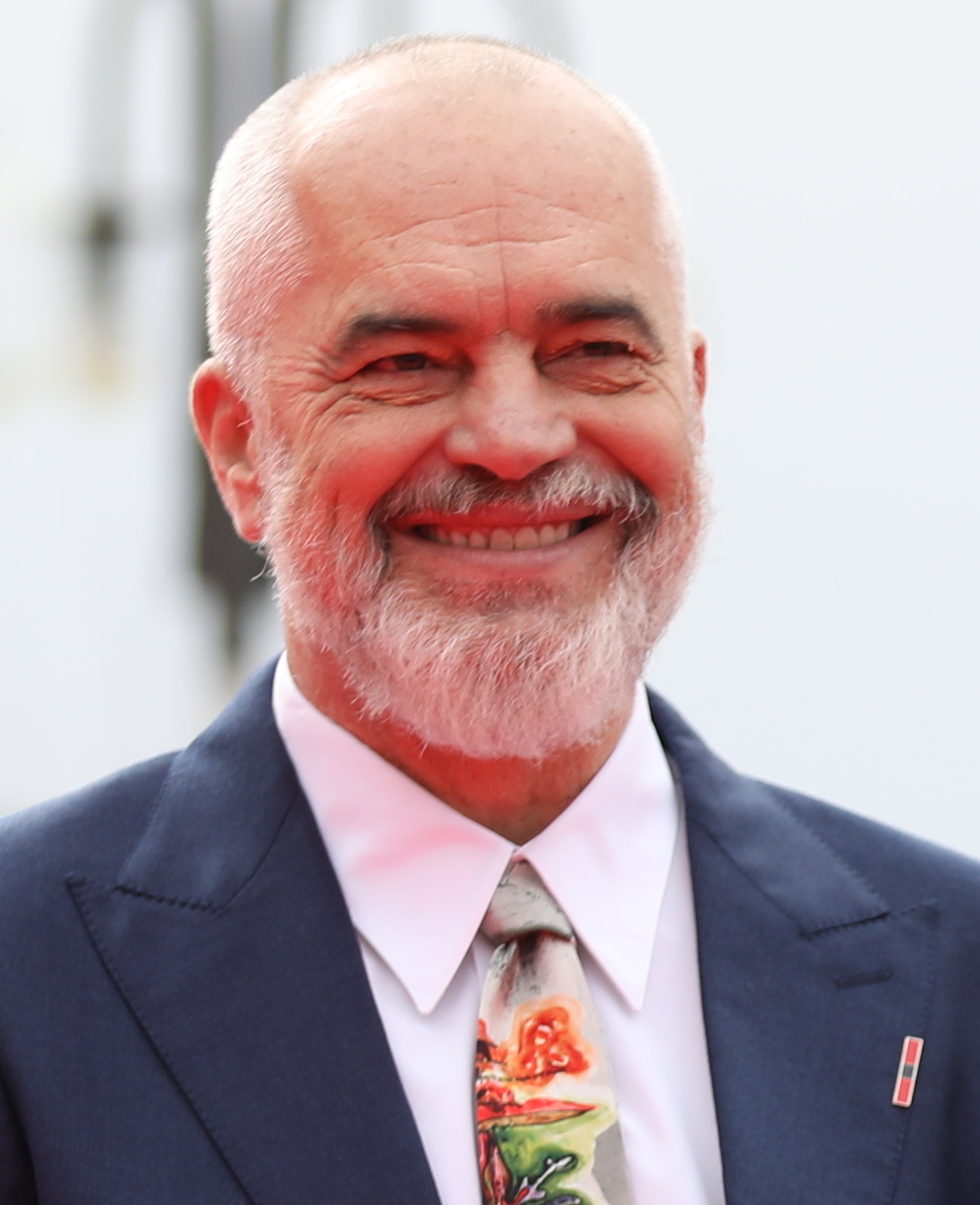
Why are students protesting in Albania?
The demonstrations began on Tuesday, October 13, led by students demanding better university conditions, lower tuition fees and more support for young people. The movement has since broadened into a wider anti-government campaign fuelled by anger over perceived corruption, a lack of jobs and poor education standards.
The unrest follows months of largely peaceful protests over the summer against a luxury coastal development backed by Jared Kushner, the son-in-law of US President Donald Trump. Reuters has said it found no evidence of wrongdoing by Kushner, who was not directly involved in a related land dispute.
Corruption scandals have tarnished Albania’s image for years, and analysts describe the country as a hub for gangs laundering money from drug and weapons trafficking. Rama maintains his government is tackling corruption “as never before.”
How many people have been injured?
Albania’s Health Ministry said on Sunday morning that 65 people had been injured in the latest clashes, including 37 police officers, with 12 people hospitalised. Since the protests began on Tuesday, a total of 272 people have been injured, including 169 police officers, the ministry said.
Police said 167 people had been arrested during the first five days of protests, with criminal proceedings initiated against 388 others. Seven officers have been suspended over allegations they exceeded their authority.
On Sunday evening, a police spokesman said a Tirana police station had been attacked with Molotov cocktails and pyrotechnic devices. “An attack on a police station is not a protest. Violence against police officers, attacks on institutions, and actions that endanger human lives cannot be tolerated,” he said.
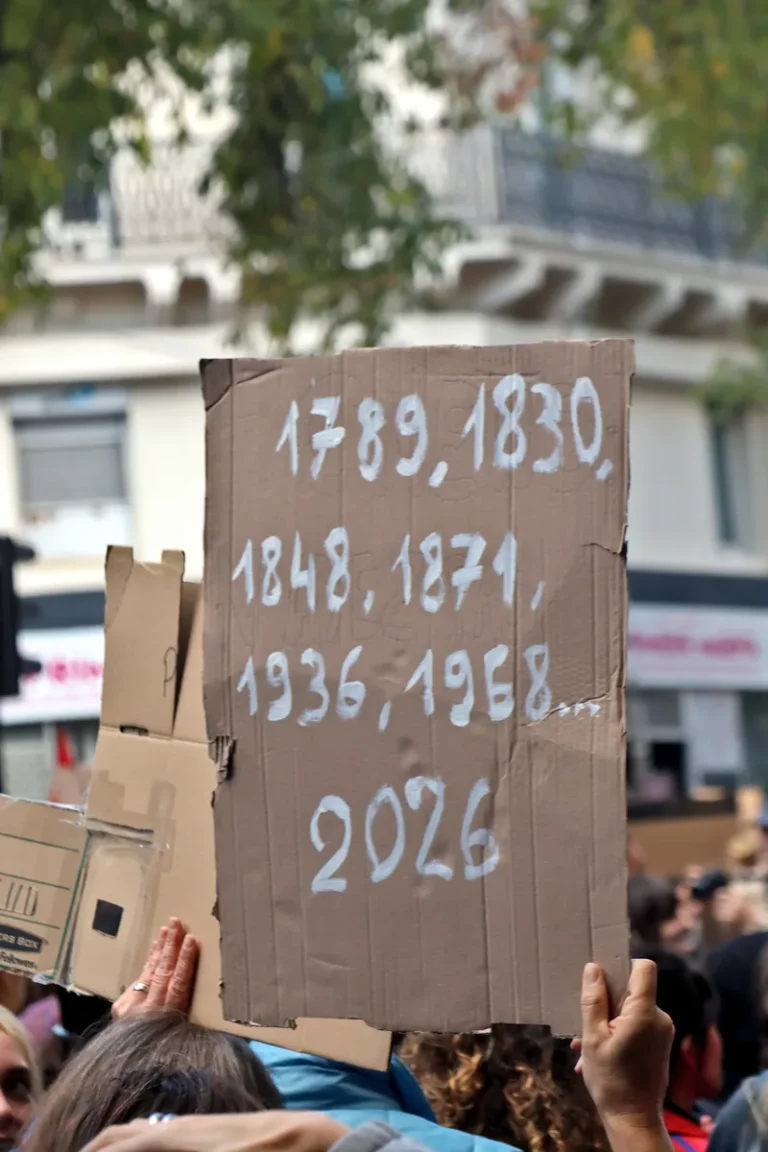
The unrest in Tirana comes amid a wider wave of street protests across Europe — in France, President Emmanuel Macron vowed in a national address that rioters would face punishment after days of demonstrations there.
International reaction
The US Embassy in Tirana urged demonstrators to refrain from violence. “Violence, rioting, physically injuring others, and the destruction of property are not civic engagement,” it said on X.
Meanwhile, Rama’s official visit to Austria — where he was scheduled to meet Chancellor Christian Stocker on Monday — has been cancelled by the Albanian side, according to Austria’s federal press service.
Shops and institutions in central Tirana have secured their doors and windows with metal shutters, while city workers removed paving stones to prevent their use as projectiles by protesters.
Sources: Reuters, Al Jazeera, AFP. This is a developing story.
Frequently Asked Questions
What is the latest update on the Albania protests?
The latest update: on Sunday, October 18, 2026, anti-government protests in Tirana entered a sixth consecutive day. Prime Minister Edi Rama rejected calls to resign in a live address lasting over an hour, warning the unrest threatens Albania’s bid to join the European Union. Clashes between protesters and riot police continued in central Tirana, with a police station attacked using Molotov cocktails on Sunday evening.
Albania protests explained: why are people demonstrating?
Students began protesting on October 13 over poor university conditions, high tuition fees and limited job prospects. The movement has grown into a broader anti-government campaign driven by anger over alleged corruption and demands for greater accountability from Prime Minister Edi Rama’s government, which has been in power since 2013.
What happened in Tirana during the protests?
Hundreds of demonstrators gathered outside the Education Ministry chanting “Rama, resign.” Police responded with water cannon, tear gas and rubber bullets. Protesters set litter bins ablaze, smashed windows — including at the governing Socialist party headquarters — and set fire to government buildings, banks and a police station. Albania’s Health Ministry says 272 people have been injured since Tuesday, including 169 police officers.
Has Albanian PM Edi Rama resigned?
No. In his live address on Sunday, Rama explicitly rejected calls to resign, saying the protests threaten Albania’s path to European Union membership rather than his government. He invited students to dialogue instead and blamed unspecified foreign interests for the unrest.
What do the Albania protests mean for EU membership?
Albania is aiming to join the European Union by 2030 and is currently among the frontrunners in the Balkans. Rama has warned the unrest could damage that bid, framing the demonstrations as a challenge to “a path” and “a mission” rather than to his government. His official visit to Austria, scheduled for Monday, has been cancelled.